
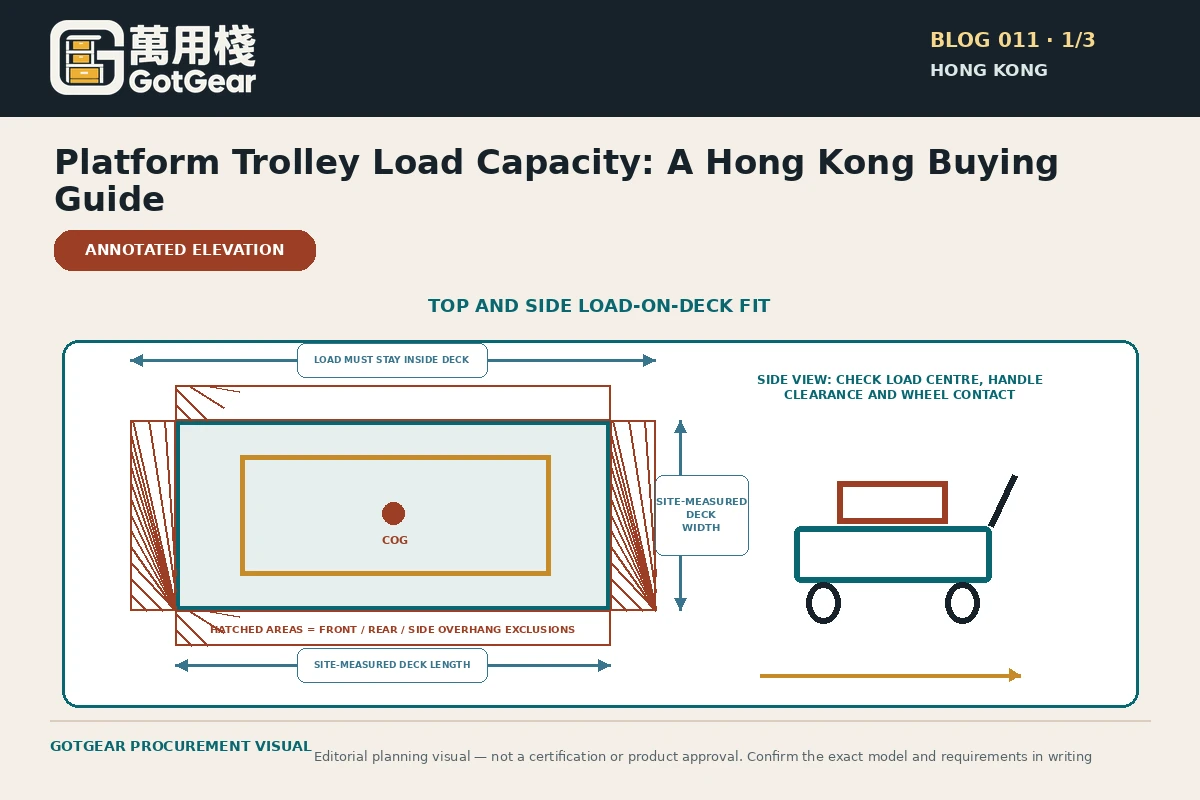
Start by measuring your heaviest regular load and its centre of gravity, then compare that with the manufacturer-rated platform trolley load capacity Hong Kong and the visible safe-working label. Evaluate deck footprint and shape against carton or equipment dimensions, test for stability on your typical floor and route, and select castors and brakes to suit slope, surface and frequency. Record these details in your RFQ rather than ordering on headline capacity alone.
What to remember before you decide
- Start selection with the actual heaviest and widest regular load, not the largest rating on paper.
- Match deck footprint and containment to load geometry to control centre-of-gravity and visibility.
- Confirm visible safe working load and ask suppliers for test data and castor ratings.
- Route, floor finish and castor choice often dictate safe operational capacity more than frame rating.
- Use trials on-site with representative loads and record the approved model and limits in procurement.
- Training and inspection are essential complements to equipment selection for reducing manual-handling risk.
Why rated capacity alone is not enough in Hong Kong operations
Hong Kong warehouses and retail backrooms commonly pick trolleys by the largest number on the spec sheet: a 300 kg plate looks safer than 150 kg. That number is a starting point, not a guarantee of safe use in your workplace. Labour Department guidance for manual handling identifies heavy, bulky, unstable or shifting loads and uneven or slippery floors as assessment factors; these are precisely the conditions that can make a higher-rated trolley harder to control. Use these decision checks: compare manufacturer-rated capacity with your actual representative loads, taking into account load shape, stacking and likely centre of gravity. Consider user factors such as operator height and the frequency of trips on each route. A key limitation is that manufacturers’ ratings assume ideal conditions and centralised load placement; they rarely account for off-centre or vertical stacking that changes stability. Next, inspect a sample load placed on a candidate trolley, check the visible load-rating label, and ask the supplier for a datasheet showing how capacity is defined and tested.
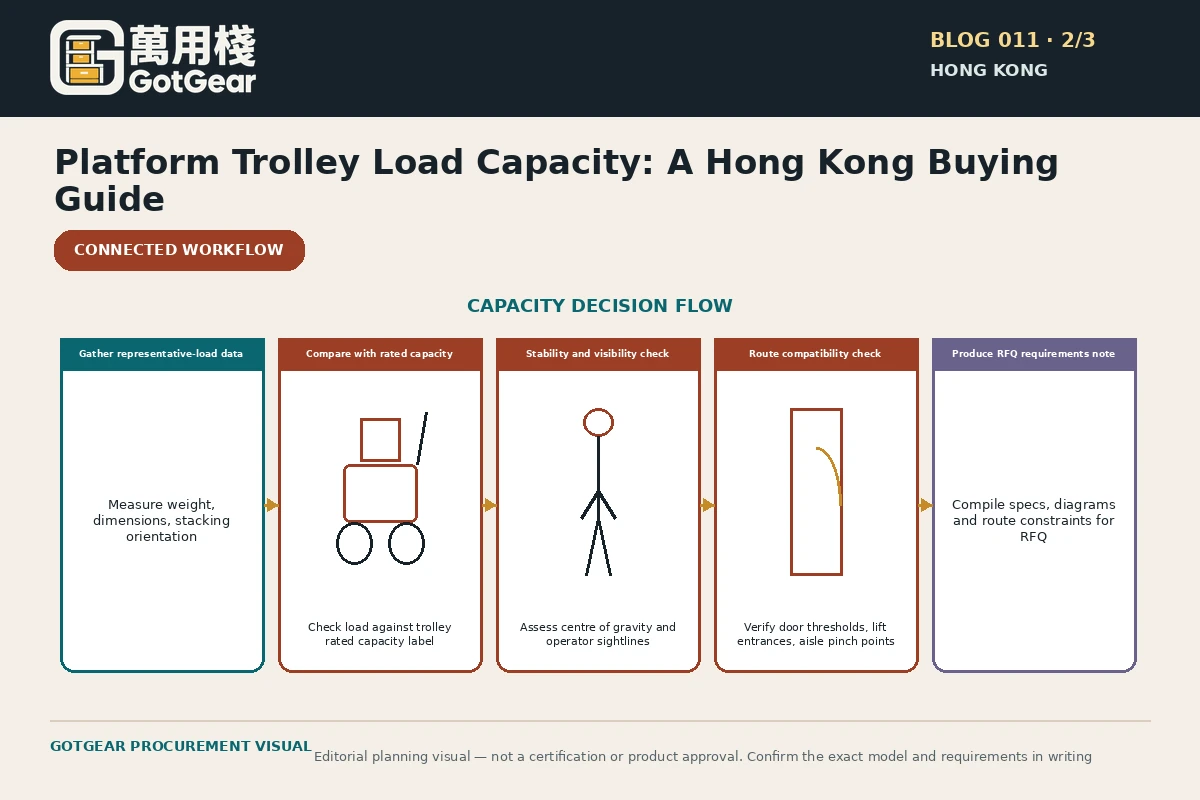
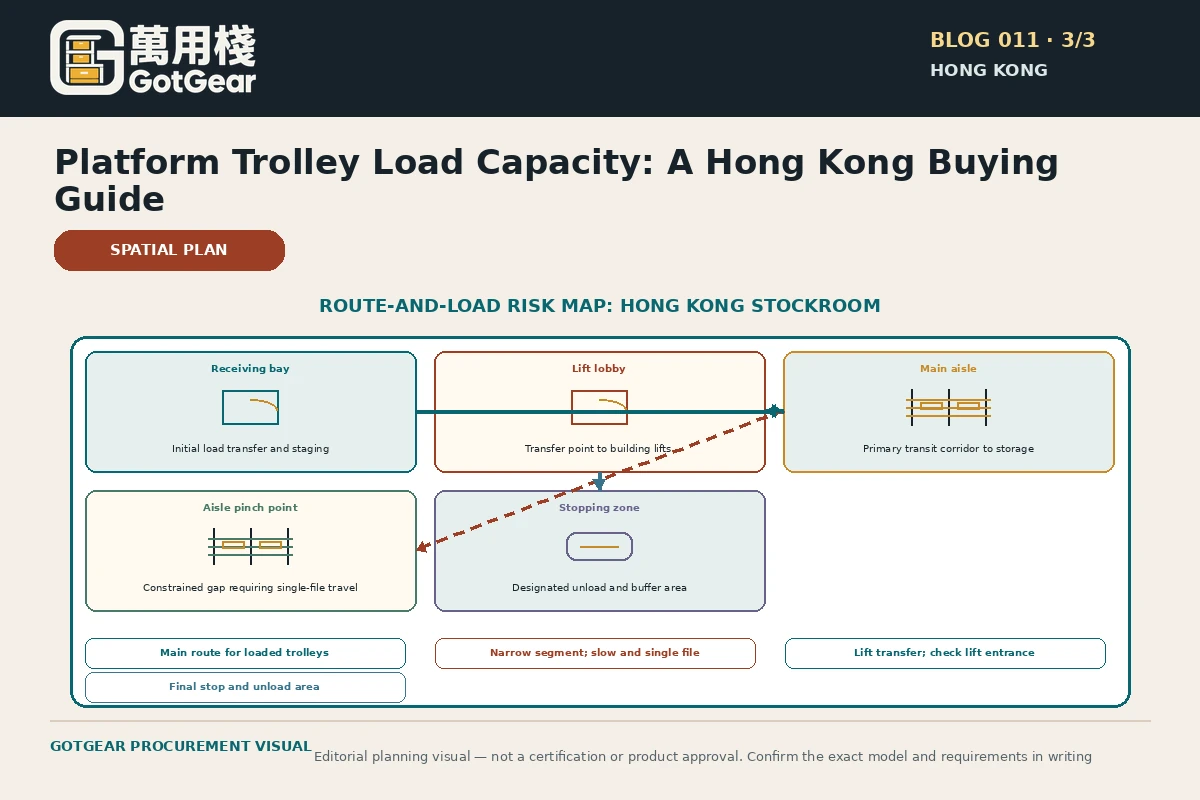
Deck geometry and containment: fitting the load to the platform
Deck size matters almost as much as weight. A deck that is too narrow forces loads to overhang or be double-stacked in unstable ways, while a very large deck may make manoeuvring in Hong Kong’s tight aisles and loading bays impractical. Decision criteria here are footprint (length x width), usable area after guarding or side walls, and the ability to contain irregular items. Also consider whether you need a flat deck for pallets and boxes, a deck with low sides for fragile goods, or multi-deck formats for order-picking — each changes both loading practice and centre-of-gravity behaviour. A key limitation is that quoted deck dimensions are external; check usable surface and obstacle-free clearance. Next, measure your common carton and equipment footprints, simulate the usual load arrangements on the smallest acceptable deck, and note whether sightlines or hand access are compromised. If visibility or containment is marginal, consider a different deck type rather than increasing rated capacity.
“Select platform trolleys by matching realistic load geometry, route conditions and castor performance to the visible rated capacity — a higher number alone does not equal safer operation.”— GotGear Editorial Team
What should buyers compare for platform trolley load capacity Hong Kong?
| Option or approach | Best for | Trade-offs | Checks before acceptance |
|---|---|---|---|
| Choose nominally higher rated single-deck trolley | Heavy but compact, centrally loaded items where stability is unlikely to be compromised. | Higher rating can conceal poor fit for wide or off-centre loads; larger wheels or stiffer frame may worsen control on uneven surfaces. | Place your heaviest regular load on the candidate trolley, push along typical route and check lateral movement, sightlines and braking performance. |
| Select a slightly lower-rated trolley with larger deck footprint | Wide, flat items or mixed small cartons that need full support rather than stacking. | Larger deck increases turning radius and may be harder to manoeuvre in tight Hong Kong aisles; overall capacity may be visually lower. | Measure load footprint and simulate pick/turn/stop in narrow aisles; confirm operators can control the trolley at full load. |
| Multi-deck/order-picking trolley with lower per-deck rating | Frequent small-lot picking and order consolidation where visibility and organisation matter. | Higher centre of gravity and cumulative load risks; each deck may be rated lower and stacking across decks can create instability. | Verify the combined load arrangement, restrict maximum per-deck loads, and test for tipping during turns and on inclines. |
| Trolley with specialised castors and braking system | Facilities with uneven floors, ramps, or where frequent stopping on slopes is required. | Specialised castors (pneumatic or shock-absorbing) increase maintenance and can slow rolling on smooth floors. | Trial trolley over typical route features (joints, thresholds, dock plates) and measure required push forces and braking distances. |
| Side-walled or low-sided trolley for unstable or irregular goods | Shipping cartons, loose or irregular equipment that might slide or fall from a flat deck. | Side walls reduce usable deck area and can obstruct loading of larger items; visual inspection and access can be reduced. | Load as usual and observe containment during normal turns and transit; ensure operators can safely secure and release items. |
This framework helps buyers create comparable written enquiries. Final model specifications, availability, delivery and commercial terms must be confirmed in a formal quotation.
Route, floor and castor selection — the operational determinants of safe working load
A trolley’s safe performance depends on the route as much as its rated capacity. In Hong Kong facilities you will often see tiled, epoxy or polished concrete floors with variable gradients near loading docks and service lifts. Decision criteria include route width, turning radius, floor finish and condition (uneven joints, drains, steps), and the need for braking on ramps. Castors and brakes should be selected to match the floor: hard castors roll well on smooth floors but transmit more shock and are worse on uneven surfaces; soft or pneumatic castors absorb irregularities but reduce rolling efficiency. A key limitation is that even a high-capacity trolley with robust castors can become a control hazard if the load shifts or the floor is wet. Next, walk the route with a load mock-up, note constrictions and braking points, test candidate castor types on your floors, and include castor specification and brake type in the RFQ.
User factors, training and inspection — reducing residual risk
Selecting the right trolley is only one control under Hong Kong manual-handling principles; training, task design and inspection are necessary. Decision criteria include how many operators will use the trolley, whether users are likely to push singly or in pairs, and the frequency of handling cycles. A key limitation is that equipment does not remove push/pull biomechanical stress; workload and ergonomics remain. Next, build simple local rules (maximum representative load, stacking limits, preferred deck orientation), require visible load-rating labels, schedule regular inspections for castors, brakes and welds, and include user training on loading to keep the centre of gravity low and centred.
Platform trolley load capacity Hong Kong decision checklist
- Record the heaviest regular load and the absolute heaviest occasional load you may need to move.
- Measure load footprints (length and width) and required clearance for loading/unloading.
- Note typical load stacking height and the expected centre of gravity for common arrangements.
- Survey the primary routes: floor type, gradients, thresholds, door widths and turning spaces.
- Check the trolley’s visible manufacturer-rated capacity and ask how the rating is defined and tested.
- Confirm deck internal usable area and any side-walls or obstructions that reduce usable space.
- Specify castor type, diameter and brake method based on floor condition and slope requirements.
- Decide if multi-deck is required for picking; set per-deck maximums and cumulative limits.
- Plan for inspection frequency for castors, brakes, welds and load-rating label legibility.
- Assess operator factors: average push force, single-operator vs two-operator use, and training needs.
- Include contingency for occasional overhangs or irregular items—prefer containment or alternative handling for those cases.
- Require a supplier trial or demonstration on your floor with a representative load before purchase.
Practical action sequence
- Measure representative maximum loads and load footprints from stock and equipment.
- Walk the intended routes with a mock load to record constraints, turning radii and slopes.
- Shortlist trolleys that match both rated capacity and usable deck footprint.
- Request datasheets showing load tests and visible safe-working load labelling from suppliers.
- Arrange a trial of the shortlisted trolley(s) on-site with your representative loads and routes.
- Choose castors and brakes that performed best in the trial and confirm spare part availability.
- Document stacking and loading rules, and add them to operator training materials.
- Schedule a first inspection after initial intensive use and set recurring inspection intervals.
- Record the approved model, maximum representative load and deck layout in your RFQ or procurement record.
Apply the checks to your Hong Kong site
This guide follows Hong Kong Labour Department factors for manual handling and treats WorkSafe Victoria, OSHA and ILO guidance as international best-practice context rather than statutory law. Use these frameworks to frame a local assessment tuned to Hong Kong site conditions and operational rhythms: start by testing the actual heaviest, widest and least-stable load rather than relying on a nominal label and check route constraints against that real load when judging platform trolley load capacity Hong Kong. Suppliers and site teams should visibly confirm the platform trolley safe working load Hong Kong and offer castor and deck options compatible with local floors and manoeuvring spaces. Include documented deck dimensions and in-service checks so your selection matches handling realities; specify platform trolley deck size Hong Kong in the RFQ and attach route photos. Operational takeaway: measure, photograph and record the actual load and route clearances, then list SWL and deck dimensions in the RFQ before ordering.
References used for this article
These sources provide regulatory, safety or planning context. They do not certify any GotGear product or replace site-specific professional advice.
- Hong Kong Labour Department — A Simple Guide to Health Risk Assessment — Hong Kong manual-handling assessment factors, including task, load, working environment and individual capability.
- WorkSafe Victoria — Choosing and using trolleys — Trolley selection variables, visible load rating, floor/castor fit, load stability, visibility, inspection and maintenance.
- OSHA — Materials Handling and Storage — General principle that equipment-rated capacity should be displayed and not exceeded; load weight, size and shape inform equipment choice.
- International Labour Organization — Manual handling — Recognised manual-handling principles on load characteristics, environment, training and controls.
Questions about platform trolley load capacity Hong Kong
Does Hong Kong treat pushing and pulling as manual handling risk?
Yes. Hong Kong Labour Department guidance treats pushing and pulling as manual handling and asks employers to assess task, load, environment and individual capability. That means when you evaluate platform trolleys you should include load stability, route condition and user factors in your risk assessment rather than relying only on a trolley’s rated capacity.
Must a trolley’s rated capacity be displayed and never exceeded?
A visible rated capacity label is best practice and is recommended by overseas bodies such as OSHA and WorkSafe Victoria as a control measure. These sources advise that rated capacity should be prominent and that operators should not exceed it. Treat overseas guidance as supportive context; in your procurement insist on clear labelling and request manufacturer test details to validate the rating.
What does WorkSafe Victoria say about choosing trolleys and how does it apply here?
WorkSafe Victoria recommends selecting trolleys around load, layout, floor and user, and emphasises a visible load-rating label, appropriate castors and regular inspection. In Hong Kong use this approach as practical best practice: match deck footprint and containment to your loads, select castors suitable for your floors, and set inspection and training routines to control residual risks.
How do I calculate the required capacity for off-centre or stacked loads?
Start with the actual mass of the item plus any stacking. For off-centre loads assess how the centre of gravity shifts longitudinally and laterally; an off-centre load increases tipping risk even if within rated mass. Practically, reduce allowable load by a safety margin if regular off-centre loading occurs, or choose a larger deck and add side containment. Ask suppliers for stability data or to demonstrate the trolley with your load arrangement in a site trial.
Are castors important for capacity decisions?
Absolutely. Castors translate the rated capacity into usable performance. The wrong castor type will either make a trolley hard to push or increase shock to frames and loads, shortening component life and compromising control. Specify castor size and type (hard, soft, pneumatic) based on floor finish and any gradients, and confirm load rating per castor so that combined castor capacity meets or exceeds the trolley rating.
Can I rely on a higher rated trolley to make unstable loads safe?
No. A higher rated trolley may support the mass but will not prevent tipping or load shift. Stability depends on deck footprint, load centre of gravity, containment and route conditions. Use a deck that fits the load, add side walls or straps as needed, and address route hazards. If instability persists, consider alternative handling equipment or a change in how loads are packaged.
Compare available product models and specifications
These product cards are matched to this buying topic. Select a specification and quantity to send the product details to WhatsApp.
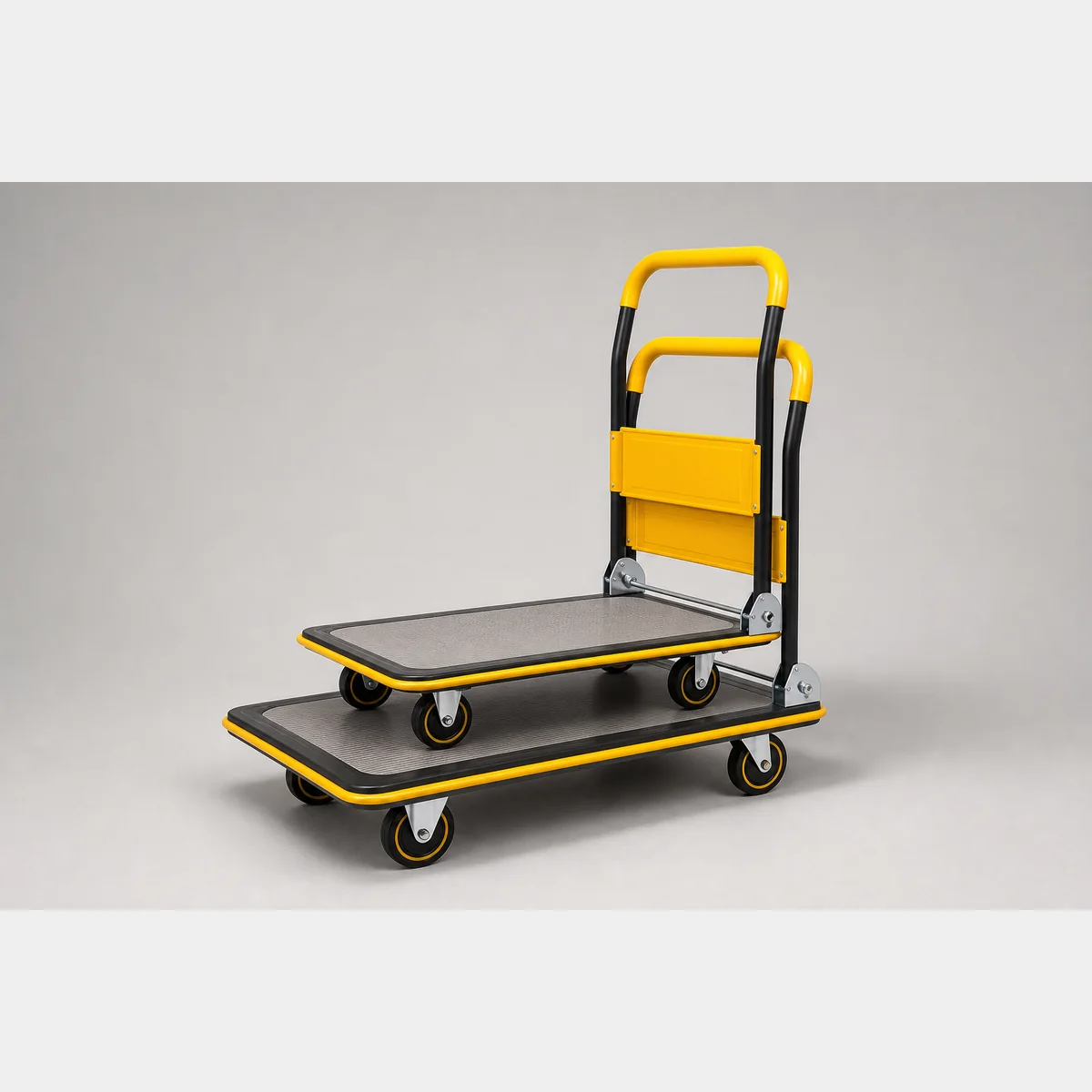 Material Handling & LogisticsProduct reference image
Platform Trolley
Platform trolley. Size / specifications: L72xW48xH83 cm / L90xW60xH88 cm; Static load capacity: 150kg / 300kg; Features: Full-edge bumper strips, Deck anti-slip mat. Formal quotation available based on application, specifications and quantity.
- Size / Specifications
- L72xW48xH83 cm / L90xW60xH88 cm
- Static load capacity
- 150kg / 300kg
- Features
- Full-edge bumper strips, Deck anti-slip mat
 Material Handling & LogisticsProduct reference image
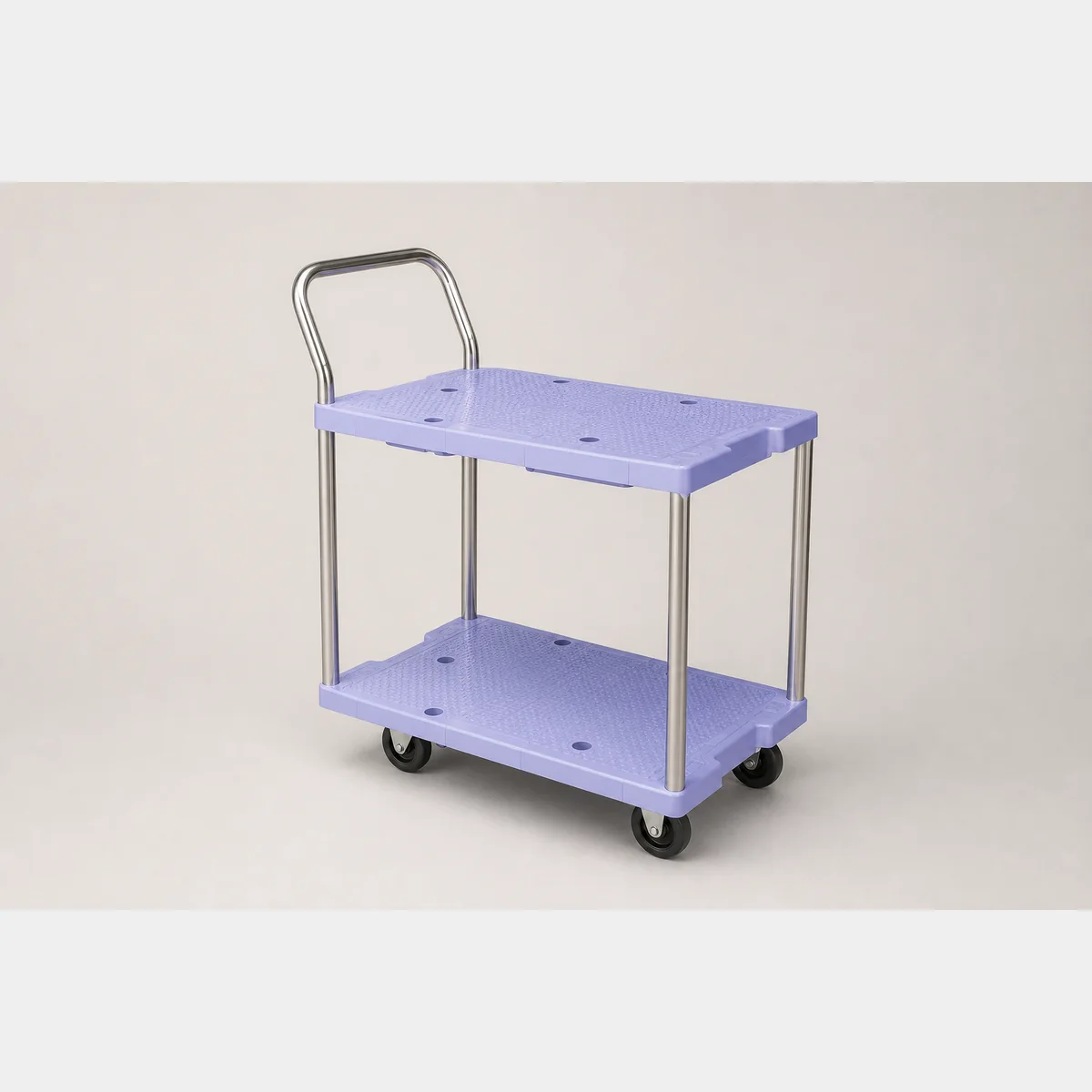
Double-deck Plastic Platform Trolley
Double-deck plastic platform trolley. Dimensions/Specs: L715xW460xH915 mm; Load capacity: 150kg. Formal quotation available based on use, specifications and quantity.
- Dimensions/Specs
- L715xW460xH915 mm
- Load capacity
- 150kg
 Material Handling & LogisticsProduct reference image
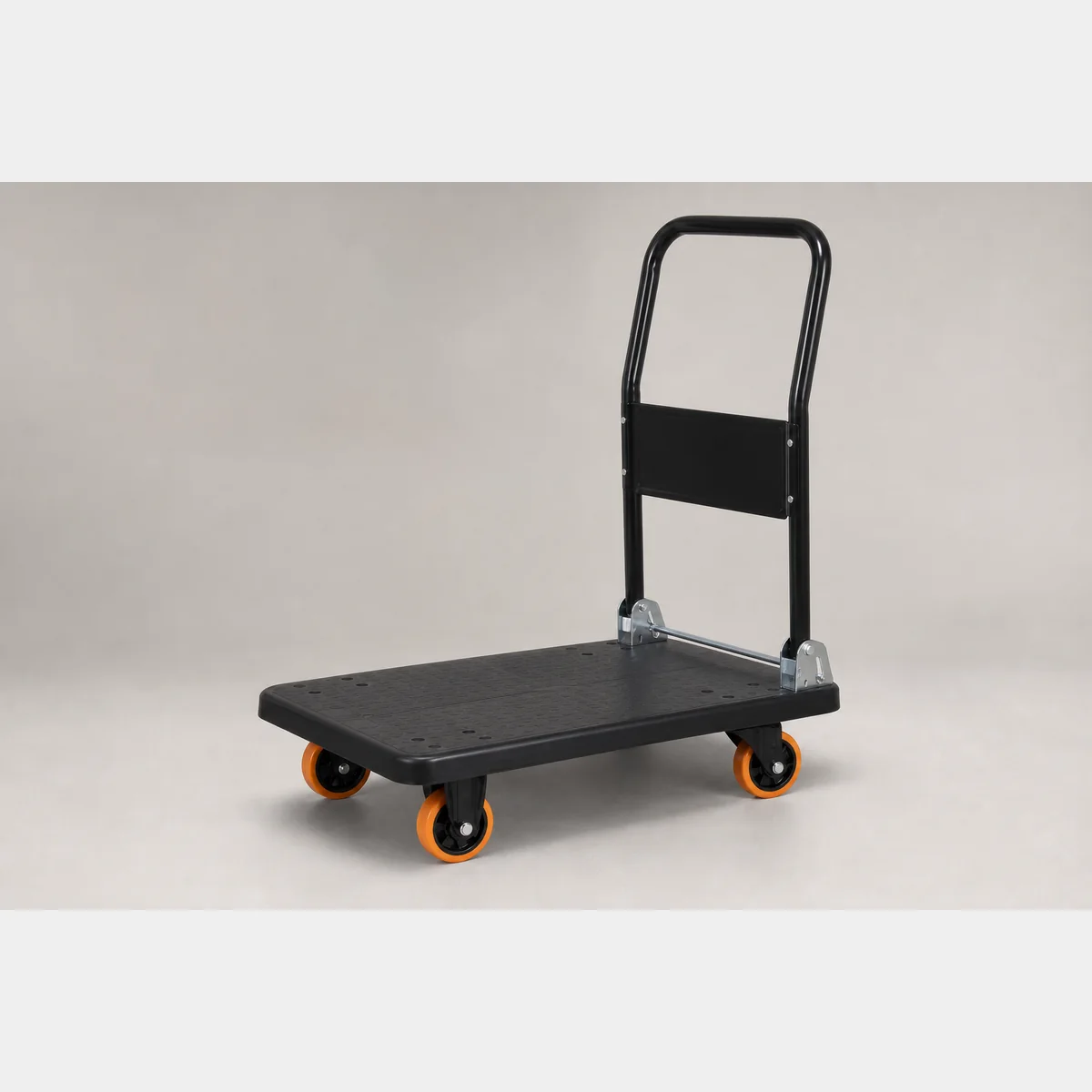
Quiet black plastic platform trolley
Quiet black plastic platform trolley, size: L70xW47xH82 cm / L89xW59xH86 cm; static load capacity: 150kg / 300kg. Formal quotation available based on use, specifications and quantity.
- size
- L70xW47xH82 cm / L89xW59xH86 cm
- Static load capacity
- 150kg / 300kg
 Material Handling & LogisticsProduct reference image
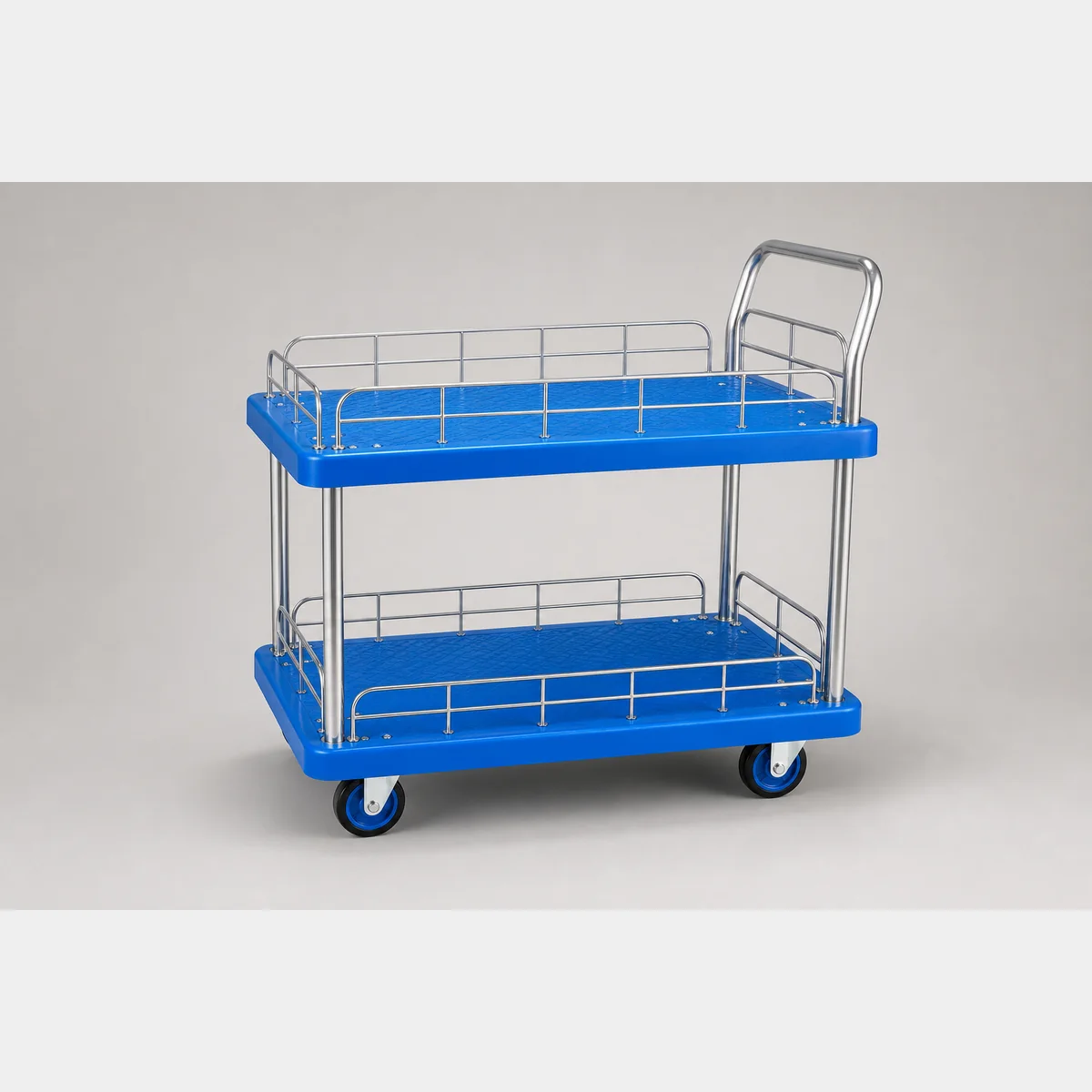
Double-tier Platform trolley with guard rails
Double-tier Platform trolley with guard rails. A: L715xW477xH940 mm; Load capacity: 150kg with 4" casters / 300kg with 5" casters; C: L890xW595xH990 mm. Please enquire for a formal quotation based on use, specifications and quantity.
- A
- L715xW477xH940 mm
- Load capacity
- 150kg, with 4" casters / 300kg, with 5" casters
- C
- L890xW595xH990 mm
 Material Handling & LogisticsProduct reference image
Flat Plastic Platform Trolley (SKU: JRA039)
Flat plastic platform trolley — A: L68xW47xH87 cm; Load capacity: 120kg/250kg; B: L90xW60xH89 cm. Formal quotation available based on application, specifications and quantity.
- A
- L68xW47xH87 cm
- Load capacity
- 120kg / 250kg
- B
- L90xW60xH89 cm
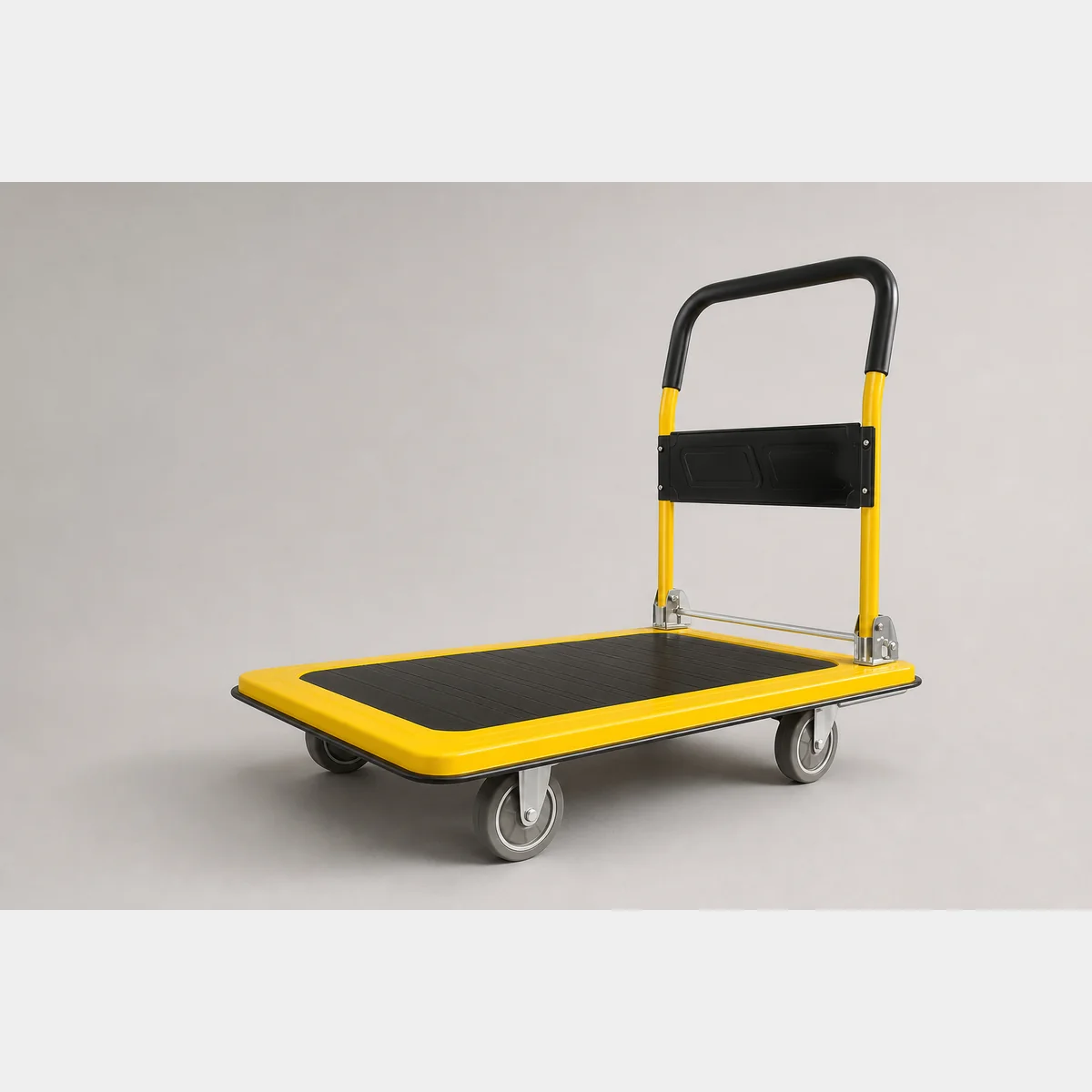 Material Handling & LogisticsProduct reference image
Flat Platform Trolley (S8560)
Flat Platform Trolley. Dimensions / Specification: L76xW49xH82 cm; Load capacity: 150kg. Formal quotation available based on usage, specification and quantity.
- Dimensions / Specification
- L76xW49xH82 cm
- Load capacity
- 150kg
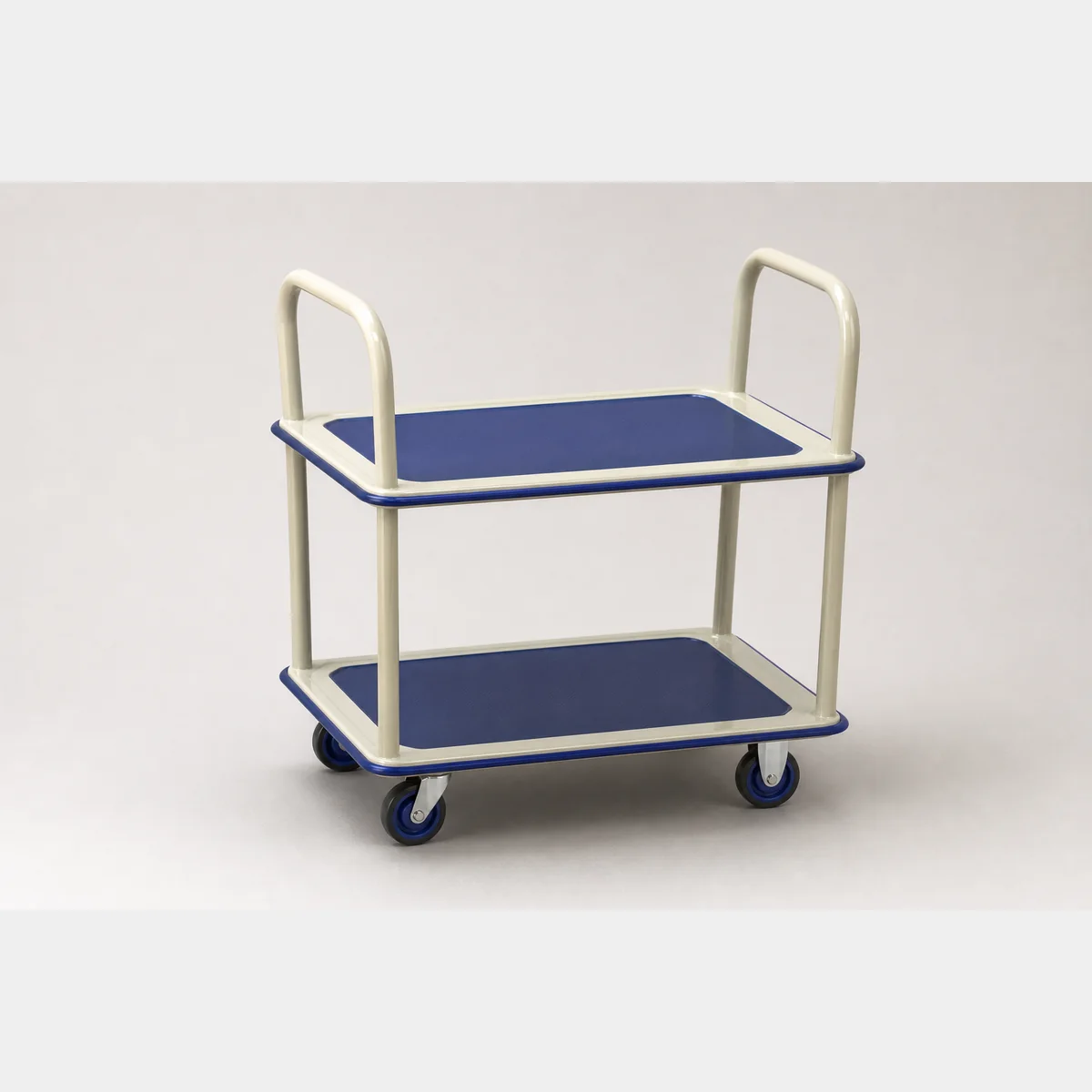 Material Handling & LogisticsProduct reference image
Double-deck flat push trolley with double handles
Double-deck flat push trolley with double handles. Dimensions: L730xW480xH925 mm; Load capacity: 120kg; Wheels: 2 fixed, 2 swivel. Formal quotation available based on use, specifications and quantity.
- Dimensions / Specs
- L730xW480xH925 mm
- Load capacity
- 120kg
- Wheels
- 2 fixed, 2 swivel
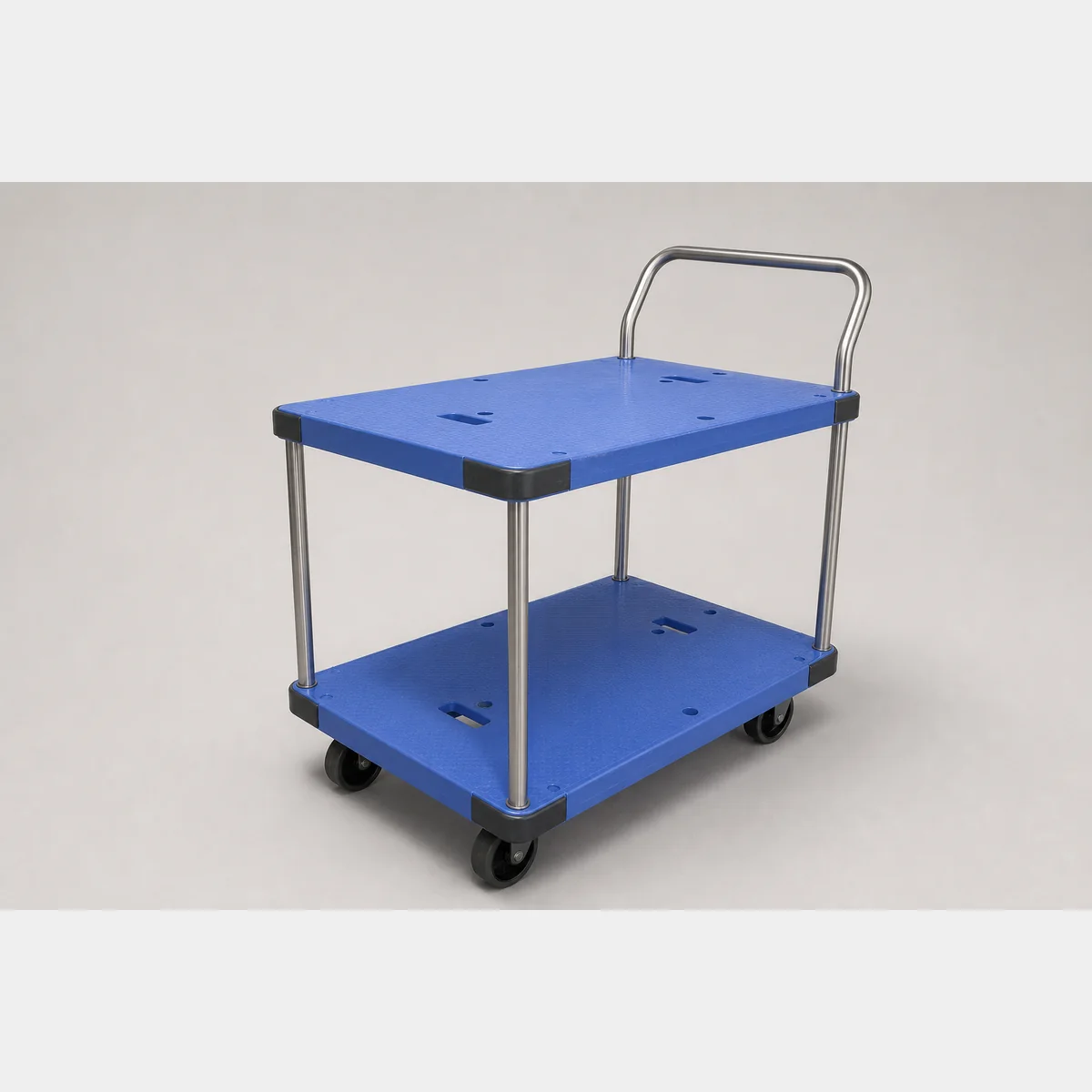 Material Handling & LogisticsProduct reference image
Double-layer Plastic Deck Trolley (DSK302)
Double-layer plastic deck trolley, Dimensions / Spec: L900xW600xH995 mm; Load capacity: 300kg. Formal quotation available upon request based on use, specifications and quantity.
- Dimensions / Spec
- L900xW600xH995 mm
- Load capacity
- 300kg
Continue with closely related procurement topics
These pages share equipment, operating or decision-stage signals with this guide.
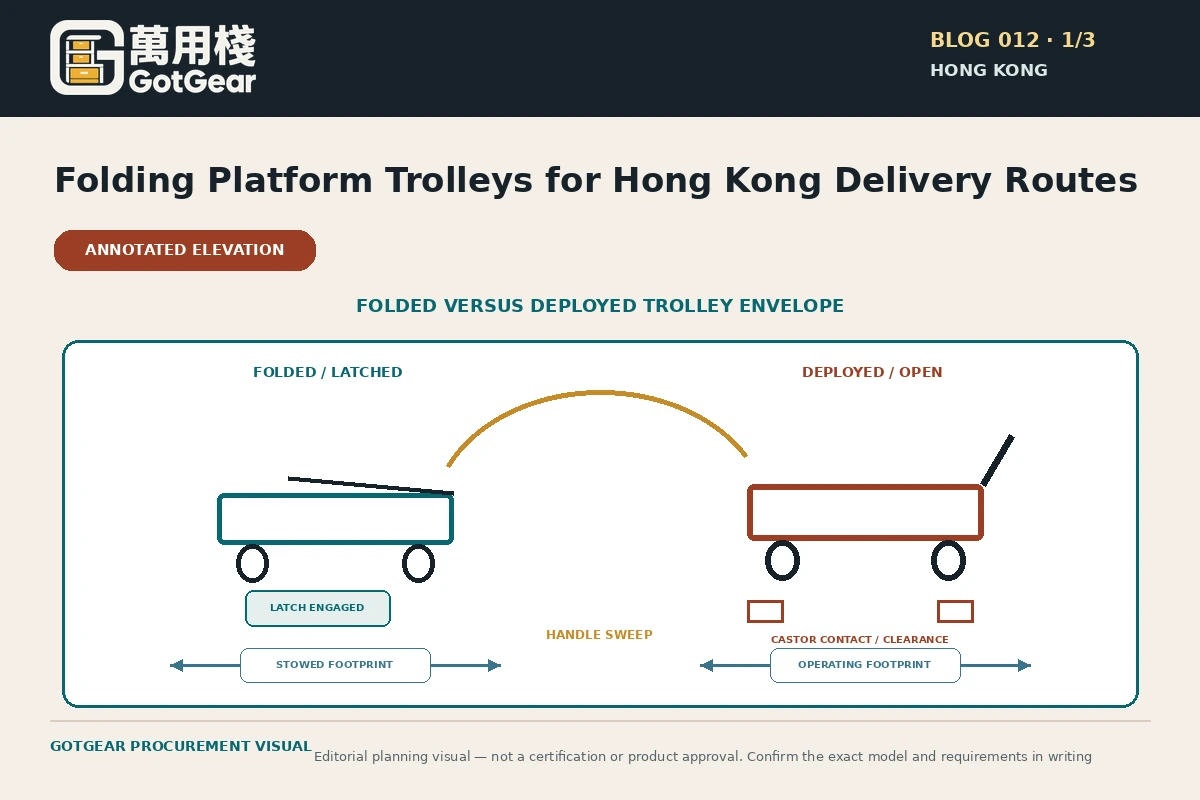
Folding platform trolley Hong Kong
GotGear explains folding platform trolley Hong Kong for Hong Kong buyers. See how foldable trolley for delivery vans Hong Kong supports compact platform trolley storage Hong Kong, with practical checks, evidence boundaries and written requirements.
Read the guide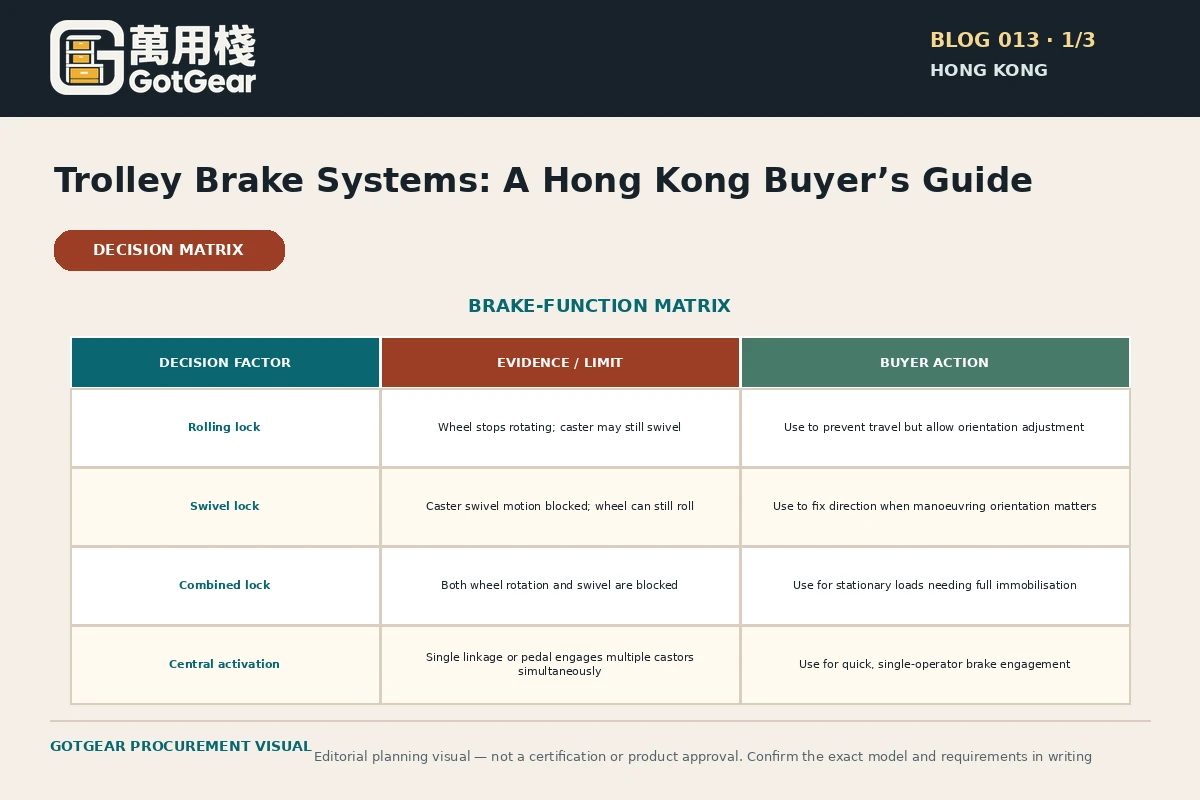
Trolley brake system Hong Kong
GotGear explains trolley brake system Hong Kong for Hong Kong buyers. See how trolley wheel brake types Hong Kong supports locking caster trolley Hong Kong, with practical checks, evidence boundaries and written requirements.
Read the guide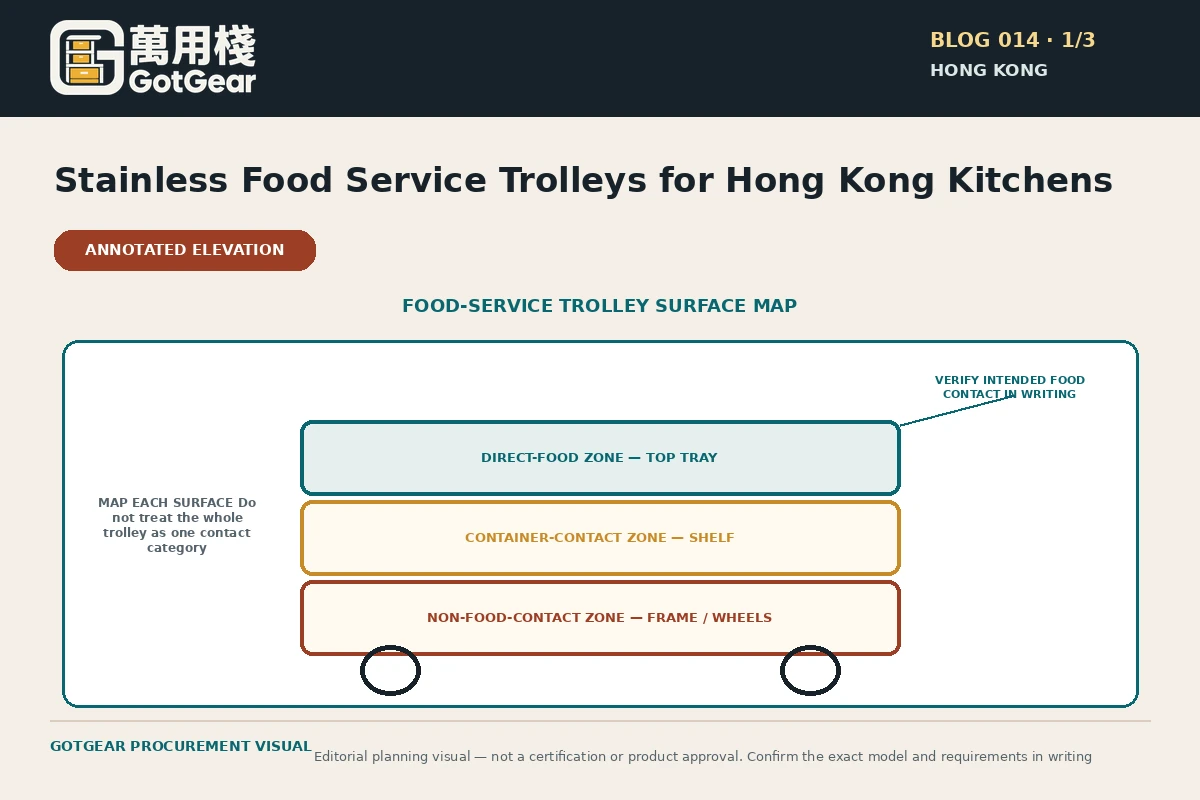
Stainless steel food service trolley Hong Kong
GotGear explains stainless steel food service trolley Hong Kong for Hong Kong buyers. See how stainless steel catering trolley Hong Kong supports food service trolley cleaning Hong Kong, with practical checks, evidence boundaries and written requirements.
Read the guide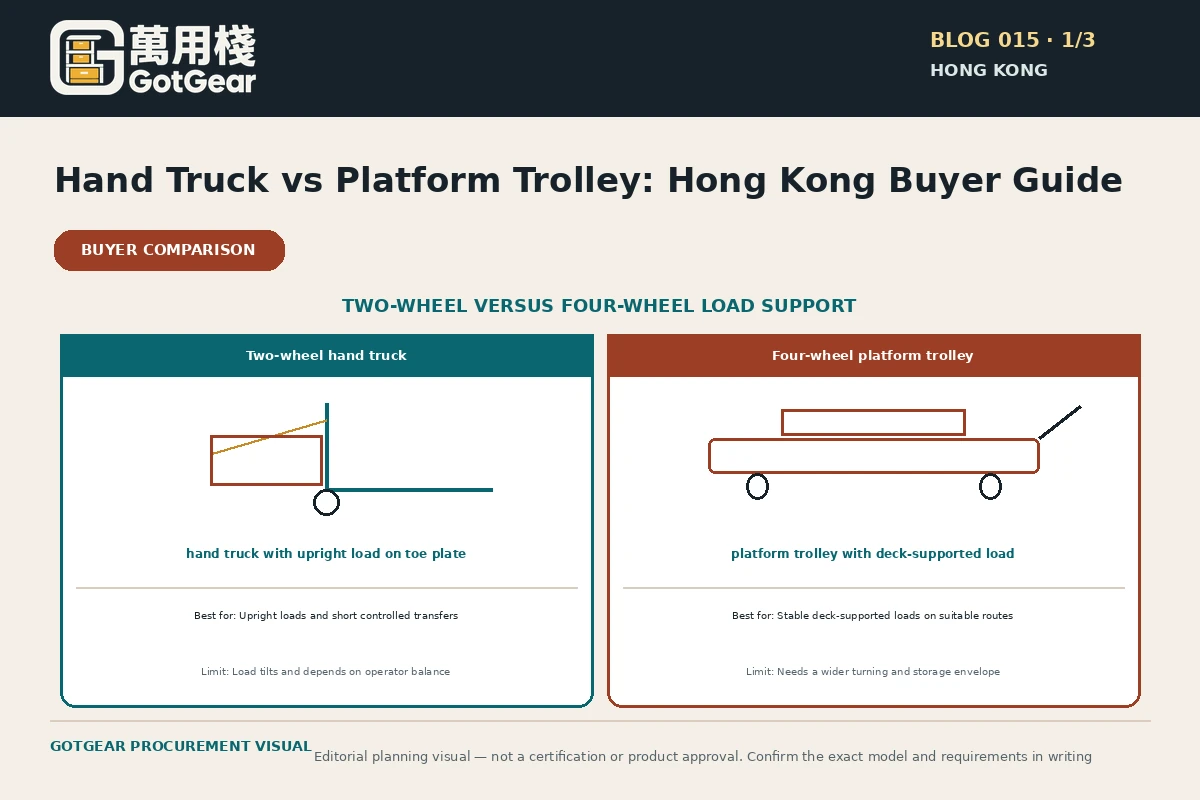
Hand truck vs platform trolley Hong Kong
GotGear explains hand truck vs platform trolley Hong Kong for Hong Kong buyers. See how two wheel hand truck Hong Kong supports four wheel platform trolley Hong Kong, with practical checks, evidence boundaries and written requirements.
Read the guideRelated topic indexOpen more English procurement pages17 topics
Browse additional equipment families, applications and procurement questions relevant to these operating requirements.