
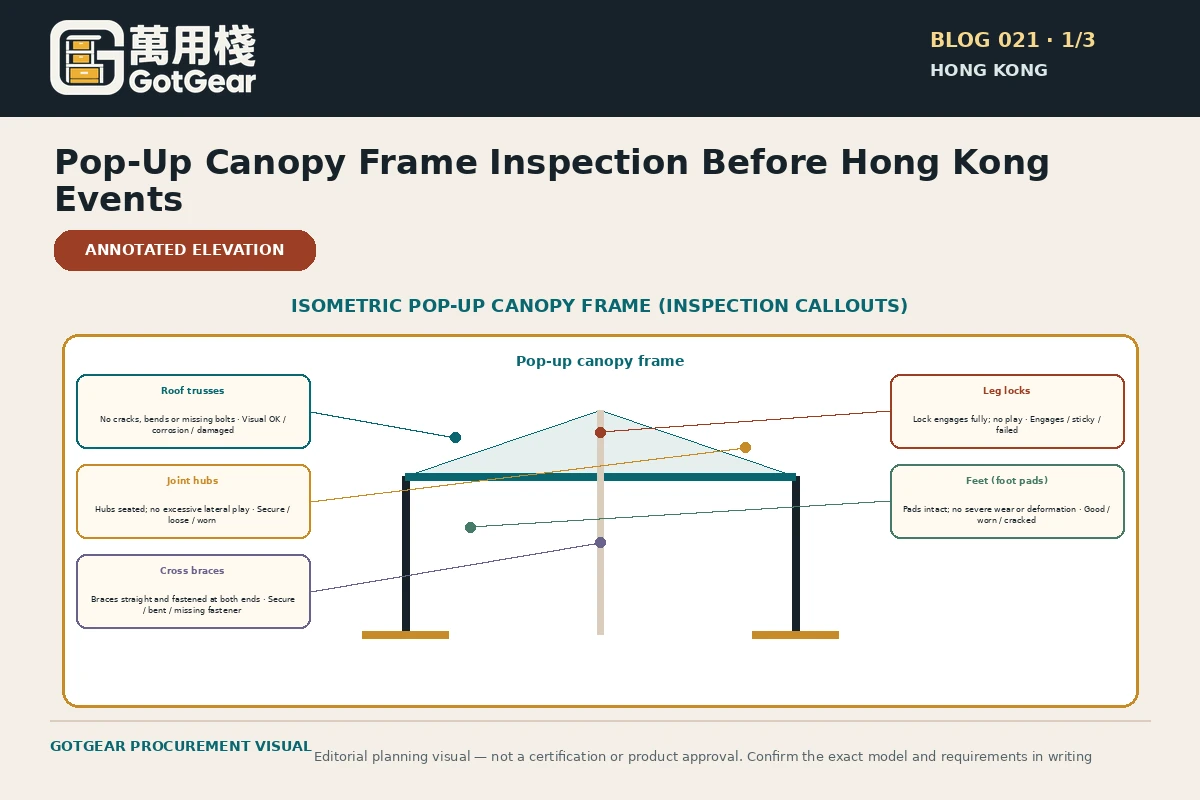
Do not treat a canopy as safe just because it operates. Before an event, follow the manufacturer’s instructions and run a documented visual inspection: verify a clear ID/record, confirm all leg locks engage and show no distortion, visually check roof trusses and connector pins for cracks, corrosion or missing fasteners, and test full setup on level ground. If you observe missing, altered or uncertain components, quarantine the canopy and escalate to the supplier or a competent assessor rather than attempting repairs yourself. Keep inspection evidence and actions recorded for later review.
What to remember before you decide
- Do not assume operational movement equals structural adequacy; verify against manufacturer instructions and document everything.
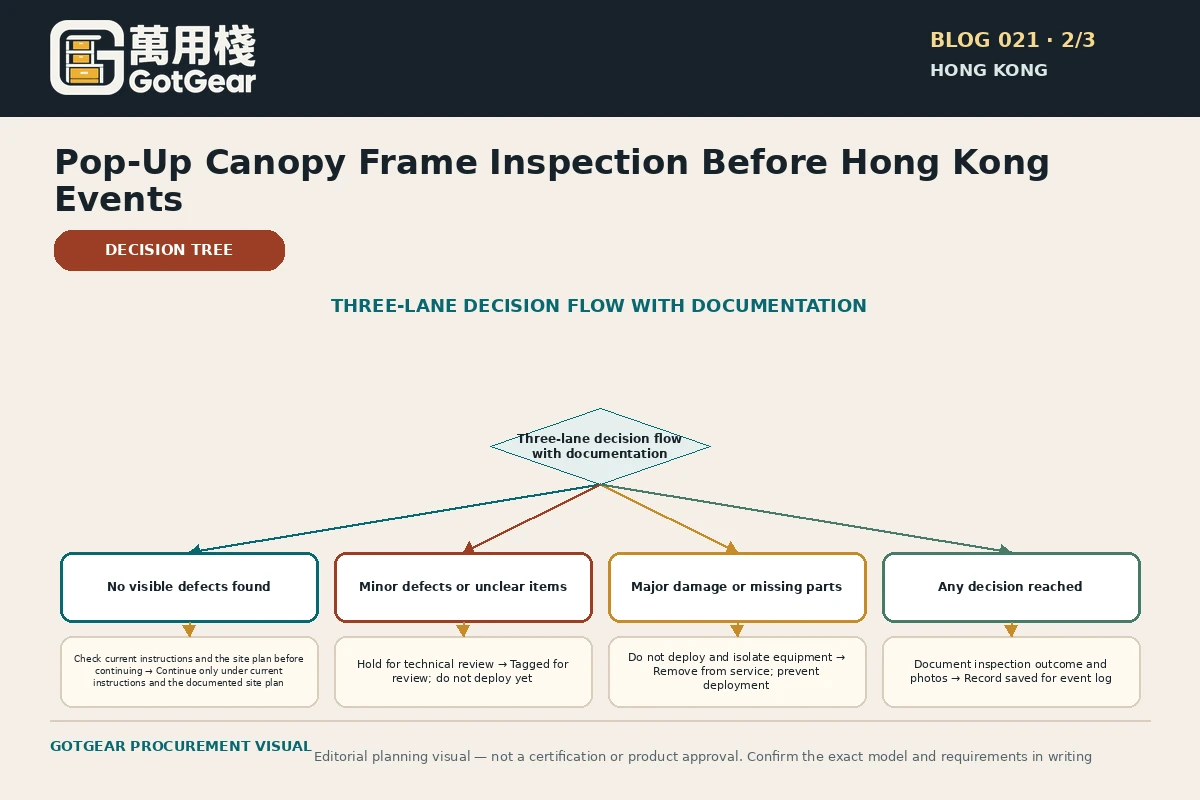
- Use a three-state condition table (Ready, Held for Review, Do Not Deploy) and apply clear tags and photographic evidence.
- Leg locks, connector pins and roof truss alignment are the most common indicators requiring supplier or competent review.
- Quarantine any canopy with missing/altered parts or uncertain damage; do not attempt on-site structural repairs.
- Full set-up verification and anchoring evidence are essential before declaring readiness for a Hong Kong site.
- Retain inspection records and supplier communications with the event safety file for accountability and future decision-making.
Why a formal pre-use inspection matters in Hong Kong
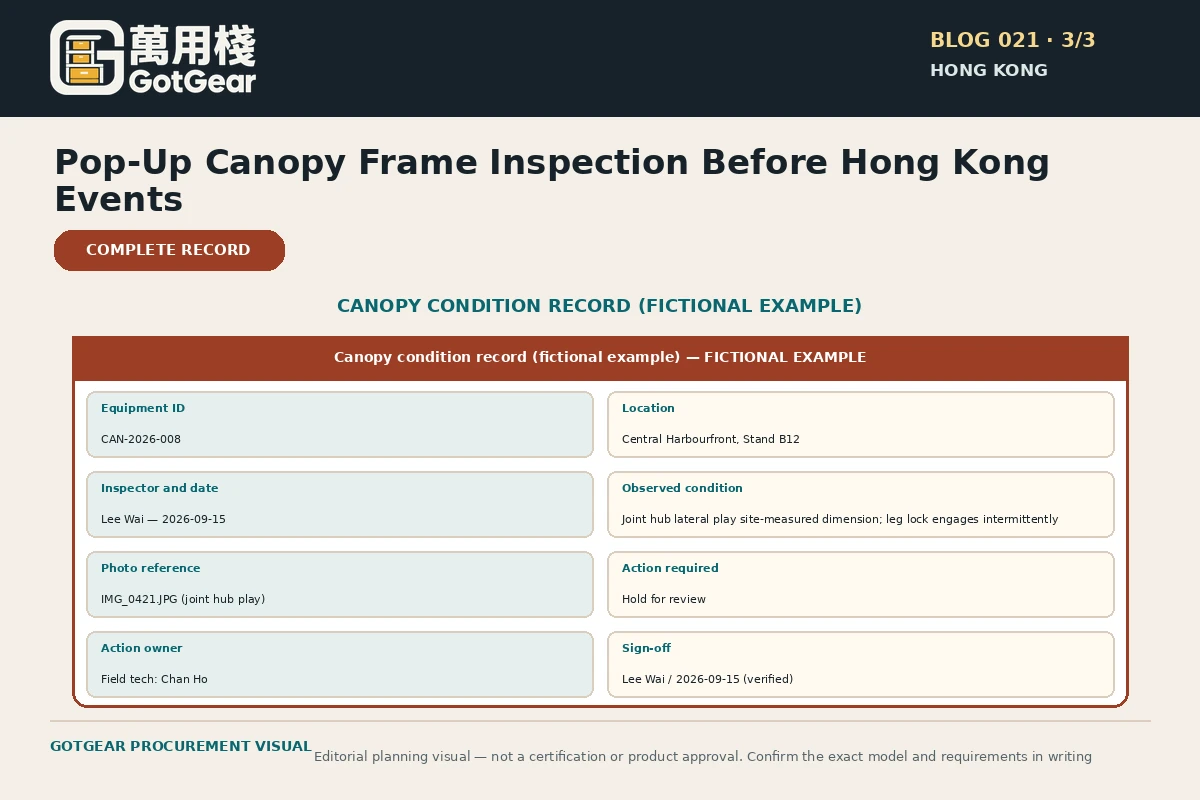
Decision context and practical stakes Hong Kong’s compact event sites, variable winds near waterfronts and frequent turnover of modular equipment make disciplined pre-event checks particularly important. A pop-up canopy that appears to work may still have worn joints, incomplete leg locks or altered connector pins that reduce stability under typical local exposures. Event coordinators and venue operations teams must therefore treat inspection as risk control rather than a perfunctory task: it documents condition, assigns responsibility and creates a clear escalation path if anything is uncertain. Use these decision checks: Has the canopy been identified with a legible ID and usage record linked to a supplier or owner? If not, flag for quarantine. - Are manufacturer set-up and inspection instructions present and followed in full? If absent, do not improvise; escalate. - Do leg locks engage fully on every leg and at every setting required for the event? Partial engagement or loose catches require supplier review. Limitations and what this check does not do This guidance is a non-engineering visual inspection and planning tool; it does not calculate load capacity, define allowable wind speeds, nor substitute for a documented structural assessment. Do not attempt to straighten bent tubes, weld connectors, or jury-rig missing fasteners on site. Any suspected structural damage must be assessed by the supplier or a competent professional. Next actions for coordinators - Ensure the canopy’s ID, manufacturer instructions and any prior repair records are available at the point of inspection. - Use the decision table in this article to record whether the unit is Ready, Held for Review, or Do Not Deploy. - Quarantine and tag the canopy if an uncertain condition is found; arrange a supplier review or competent assessment before redeployment. Canopy ID and record layout A simple on-the-canopy label showing model, serial, last inspection date and responsible person. Photograph the label as part of the record and link to the event folder.
What to look at first: ID, documentation and obvious defects
Practical inspection steps at arrival Begin at delivery or storage. The first checks are administrative but essential for liability and traceability in Hong Kong’s busy event market. Confirm the canopy’s identity against the booking or asset register, photograph serial plates and any service tags, and check the manufacturer’s user guide for model-specific notes. Inspection focus and decision triggers - Identity and records: legible ID, last inspection date and previous fault history. If unknown or illegible, do not proceed with deployment without supplier confirmation. - Visual damage to tubes and connectors: dents, kinks, split welds, or missing rivets. Any of these signs should move the unit to Held for Review or Do Not Deploy depending on severity. - Roof-truss geometry: look for bent or asymmetric truss members, loose rivets or any parts that no longer sit level when the canopy is partially opened. Limitations and clarifying actions Visual checks detect many surface and alignment faults but cannot reveal internal metal fatigue, prior improper repairs or compromised steel sections under paint. If you find a small dent but the canopy otherwise appears serviceable, document and discuss with the supplier for a professional decision; do not authorise field repairs by non-qualified staff. Next actions and escalation - Photograph every defect from multiple angles, including a scale reference (a hand or tape measure). - Tag the canopy with a clear status label (Ready, Held for Review, Do Not Deploy) and record the rationale and inspector name in the event folder. - If Held for Review, arrange supplier inspection within a timeframe that does not disrupt the event, or reserve alternate shelter options for the event layout. Roof-truss visual checklist A simple drawing showing truss nodes, connector pins, and expected straightness lines. Mark common failure spots to photograph during inspection.
“Prioritise documented, manufacturer-led inspections and clear escalation paths: the value of a record is as great as the visual check itself.”— GotGear Editorial Team
What should buyers compare for pop up canopy frame inspection Hong Kong?
| Option or approach | Best for | Trade-offs | Checks before acceptance |
|---|---|---|---|
| Routine visual pre-use check by in-house staff | Frequent, low-risk events where canopies are in good repair and staff are trained to follow manufacturer checklists | Quick and low-resource requirements but cannot detect hidden structural fatigue or internal corrosion | Photograph ID and defects, record inspector name and date, and escalate anything unclear to supplier |
| Quarantine and supplier review | Any signs of altered parts, missing fasteners, or intermittent leg-lock behaviour | Takes canopy out of circulation and may require lead time for supplier inspection or parts | Tag canopy, send defect photos and serial info to supplier, keep response in event folder |
| Competent professional structural assessment | Evidence of potential structural compromise (bent trusses, cracked welds, major collisions) or repeated failures | More time and resource requirements; requires access to a competent assessor with relevant experience | Request written assessment, repair recommendation or certificate from assessor before redeploying |
| Replace unit with a known-good canopy for the event | Time-critical events where downtime for inspection/repair is unacceptable | Requires available replacement inventory and logistic arrangements; does not resolve root-cause for the quarantined unit | Confirm replacement canopy ID, perform full pre-use check and attach evidence to event record |
| Restricted use with mitigations (indoor only, limited occupancy) | Minor non-structural defects allowed by manufacturer with strict operational limits | Reduces flexibility and may still carry residual risk; depends on explicit manufacturer acceptance | Obtain written manufacturer guidance permitting restricted use and record conditions and monitoring plan |
This framework helps buyers create comparable written enquiries. Final model specifications, availability, delivery and commercial terms must be confirmed in a formal quotation.
Leg locks, connectors and the roof truss: signs that need escalation
Specific frame elements and what their condition implies in Hong Kong settings Leg locks and connectors are the most frequent sources of compromised stability. In Hong Kong events, where crowds and close-proximity site constraints increase risk, any sign of incomplete engagement, slippage, torn catch teeth, or cracked connector blocks should be treated seriously. Decision criteria by component - Folding tent leg locking mechanism: check engagement by feel and sight—each lock must seat fully with no sideways play or visible deformation. If a lock intermittently catches, mark the canopy Held for Review. - Connector pins and rivets: missing, loose, or sheared pins require Do Not Deploy until replaced with manufacturer-approved parts. Do not substitute improvised fasteners. - Roof truss members: localized buckles, crack lines in welds or chevrons, and asymmetry under partial set-up imply possible structural compromise. These signs usually require supplier or competent professional assessment. Limitations—what you cannot check visually A visual check will not reliably indicate micro-cracks, internal corrosion under paint or the residual strength of materials after impact. For example, a superficially straight tube may have been work-hardened or fatigued by prior bending. Such cases should be escalated. Next actions for different observations - Minor surface corrosion with no structural distortion: clean, photograph, record, and monitor at next scheduled maintenance—do not remove from service solely for light surface corrosion if manufacturer allows. - Any missing or altered parts, or leg locks that do not fully engage: quarantine and escalate to the supplier for part validation and replacement. - Uncertain or complex damage: arrange a competent, documented assessment. Keep the canopy quarantined until a clear manufacturer/supplier verdict is obtained. Leg-lock engagement states Three small sketches: fully engaged lock with mark alignment, partially engaged lock showing gap, and failed lock showing broken tooth or deformity. Include instruction to photograph the failed state for supplier review.
Final verification: full set-up and anchoring checks
On-full-setup checks, anchoring and site-specific considerations A full setup on level, representative ground is the final verification step. In Hong Kong, site-specific issues such as paving types, proximity to water, and prevailing gust patterns must inform anchoring decisions. For flat, permanent surfaces and indoor events, ensure ballast is manufacturer-recommended and secured. For outdoor urban sites near Victoria Harbour or other exposed locations, be more conservative in deployment decisions. Decision criteria at full set-up - Does the frame open to the correct geometry with all legs matching in height and truss lines level? Any mismatch suggests alignment or connector faults. - Do leg locks hold under a modest manual test (a push/pull safe test consistent with manufacturer guidance)? If any leg slips, do not deploy. - Are anchoring and ballast consistent with manufacturer guidance and site constraints? Missing ballast or absent anchoring points should downgrade the deployment decision. Limitations Field testing should be low-force and consistent with the user manual. Do not load a canopy to simulate wind or use aggressive force that could aggravate a marginal condition. This check also does not substitute for a formal stability calculation in exposed locations. Next actions and site coordination - If the canopy passes full set-up checks, record the set-up photos, inspector sign-off and attachment of ballast/anchoring evidence in the event file. - If the canopy fails, leave it tagged Do Not Deploy and ensure the site layout plan is adjusted to replace the canopy. - For sites with nearby tall buildings, water or predictable cross-winds, consider alternative shelter options and consult the event’s safety officer.
Pop up canopy frame inspection Hong Kong decision checklist
- Confirm canopy identity: model, serial number, last recorded inspection and supplier contact.
- Check for manufacturer instructions on the canopy or in the event folder before any handling.
- Inspect legs and leg locks: look for full engagement, missing teeth, sideways play, or deformation on every leg.
- Examine connector pins, rivets and welds for missing items, cracks, shearing or corrosion.
- Visually assess roof-truss alignment for buckles, asymmetry, or loose joints during partial set-up.
- Photograph defects with scale references and label images with canopy ID and inspector name.
- Tag the canopy status clearly (Ready, Held for Review, Do Not Deploy) and record the reason and date.
- Perform a full set-up on level ground and confirm all legs are the same height and truss lines are level.
- Verify anchoring/ballast is present and matches manufacturer guidance for the site environment.
- If any uncertainty remains, quarantine the canopy and arrange supplier or competent professional review.
- File all photos, forms and supplier correspondence in the event’s inspection folder for future reference.
Practical action sequence
- Assign a responsible inspector and confirm access to the manufacturer’s user guide before inspection.
- Record canopy ID and photograph the serial/service label on arrival.
- Conduct the administrative check (ID, previous records, visible tags).
- Perform a methodical visual inspection of legs, locks, connectors and roof-truss; photograph each defect.
- Apply a status tag (Ready, Held for Review, Do Not Deploy) and record rationale in the event file.
- If Ready, perform full set-up verification and document anchoring/ballast evidence.
- If Held for Review or Do Not Deploy, photograph, quarantine and notify the supplier with defect photos and serial details.
- Secure a written response from the supplier or a competent assessor before considering redeployment.
- Retain all records with the event safety file and note any implications for site layout or contingency plans.
Apply the checks to your Hong Kong site
This workflow is written for Hong Kong event coordinators and venue teams and recognises local operational realities such as dense sites, mixed indoor/outdoor layouts and variable coastal winds. Treat the documented visual inspection as a pre-use check distinct from a structural assessment: follow manufacturer instructions and local competent advice as the primary technical references, and use the UK HSE guidance on temporary demountable structures only as contextual design and record-keeping guidance, not Hong Kong law. Keep a photographed condition-status table with event files so decisions are transparent. During any pop up canopy frame inspection Hong Kong teams should record frame, roof-truss, leg-lock and connector observations and mark items as usable or quarantined. For a folding tent leg locking mechanism check Hong Kong or a pop up canopy roof truss inspection Hong Kong, escalate uncertain damage to the supplier or a competent professional instead of attempting repairs on site. Operational takeaway: include the condition-status table and photos in the event pack and require supplier or professional sign-off on any quarantined component before deployment.
References used for this article
These sources provide regulatory, safety or planning context. They do not certify any GotGear product or replace site-specific professional advice.
- UK Health and Safety Executive — Temporary demountable structures — Points readers to HSE’s temporary-structure guidance and its safe-construction/deconstruction resources; use as context for a documented, competency-aware inspection process rather than as a Hong Kong legal rule.
- UK Health and Safety Executive — Outdoor equipment at events — Supports planning around manufacturer instructions, fit-for-purpose equipment, ground and wind exposure, ballast remaining in place, and local-weather monitoring; the article must not extrapolate tower-specific calculations to every canopy.
- UK Health and Safety Executive — Venue and site design — Supports a site-led review of ground conditions, topography, anchoring points, wind exposure and emergency circulation before positioning temporary structures.
Questions about pop up canopy frame inspection Hong Kong
Can I use a canopy that has a leg that feels stiff but not visibly damaged?
A stiff leg may indicate dirt in the locking mechanism, seized pins, or prior deformation. Do a careful visual inspection first: photograph the leg, check for corrosion or foreign material, and verify whether the lock still achieves full, secure engagement at the intended settings. If stiffness prevents full, reliable engagement or if you cannot verify the integrity against the manufacturer guidance, quarantine the canopy and seek supplier advice. Do not force the lock or file parts on site.
Is a visual inspection enough to confirm a canopy is safe to use?
A documented visual inspection is an indispensable first step but it is not always sufficient. Visual checks identify most surface defects, missing parts, and alignment issues, but they cannot prove the absence of internal fatigue, work-hardening or hidden cracks. For typical routine events a thorough visual inspection plus supplier-confirmed maintenance history may be adequate. If you encounter impact damage, ambiguous deformation, or repeated failures, escalate to a supplier or competent structural assessor for a written determination before deployment.
What evidence should I keep after an inspection or if an issue is found?
Keep a complete inspection record for the event: canopy ID (model and serial), inspection date and inspector name, annotated photographs showing defects with a scale reference, status tags applied, and all correspondence with suppliers or assessors. If the canopy is quarantined, retain the supplier’s findings and any repair or replacement approvals. Store these records with the event safety file so decisions are transparent for post-event reviews and potential insurance or regulatory enquiries.
Can I fit replacement pins, rivets or parts myself to return a canopy to service?
No. Replacement parts must be validated by the manufacturer or an approved supplier to ensure compatibility and preserve documented safety characteristics. Using improvised or non-approved components can change load paths, obscure prior defects and void warranties. If parts are missing or altered, quarantine the canopy and contact the supplier for approved replacement parts and installation guidance, or arrange competent professional servicing as directed by the manufacturer.
What should I do if the canopy looks OK but leg locks open under a modest manual test?
If any leg lock slips or opens under a modest, manufacturer-consistent manual test, stop deployment immediately. Tag the canopy Do Not Deploy, photograph the failing lock from multiple angles and provide serial ID to the supplier. Arrange an urgent supplier inspection or a competent assessment. For time-sensitive events, substitute with a known-good canopy rather than risking partial, unverified repairs on site.
Compare available product models and specifications
These product cards are matched to this buying topic. Select a specification and quantity to send the product details to WhatsApp.
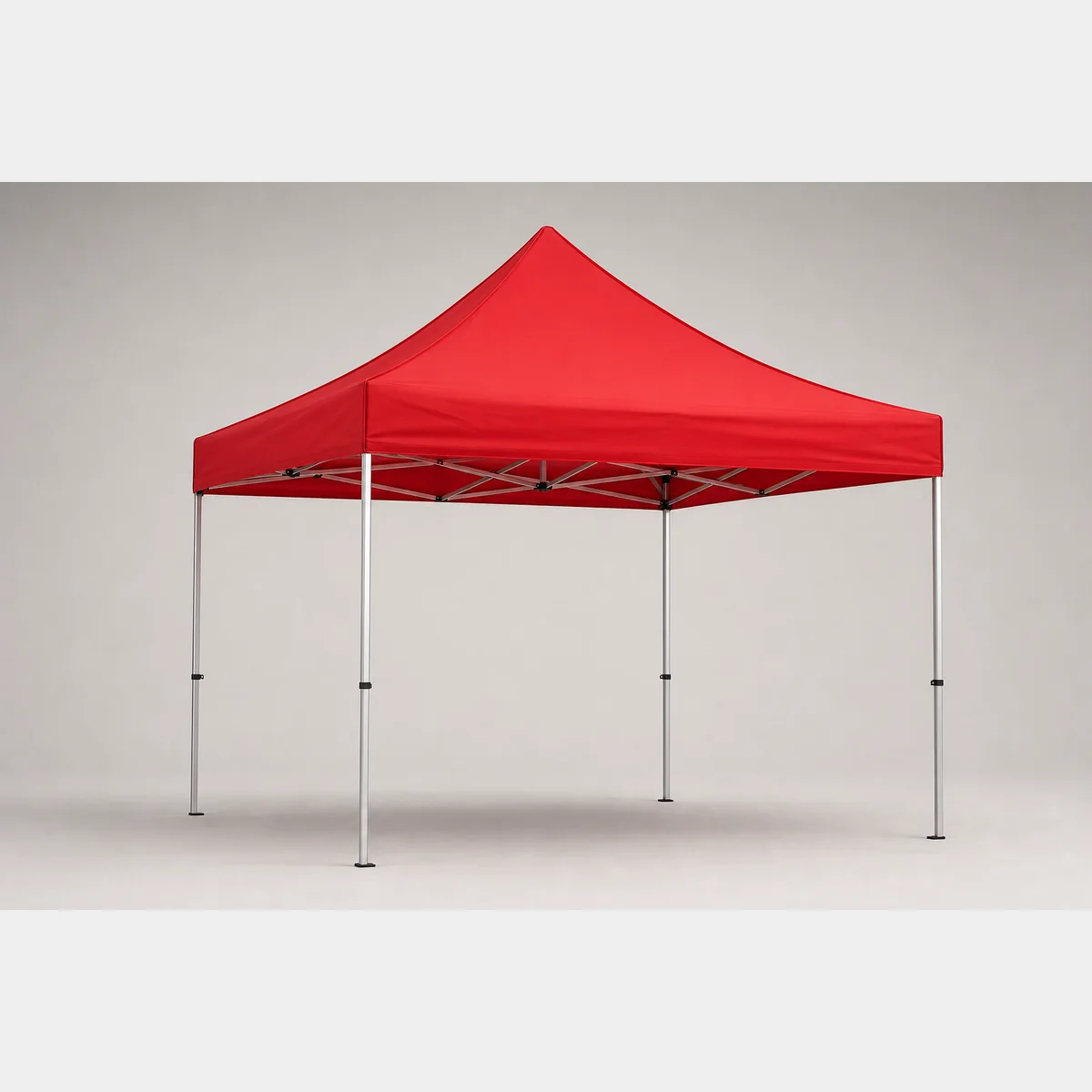 Canopies & Outdoor EquipmentProduct reference image
Tent (stainless steel)
Tent (stainless steel). Material: stainless steel frame with canvas; canopy: 600D Oxford fabric; listed canopy colours: Red/Blue/Green (other colours are subject to written confirmation). Formal quotation available on request based on use, specifications and quantity.
- Material
- stainless steel frame with canvas
- Canopy
- 600D Oxford fabric
- Listed canopy colours
- Red/Blue/Green (other colours are subject to written confirmation)
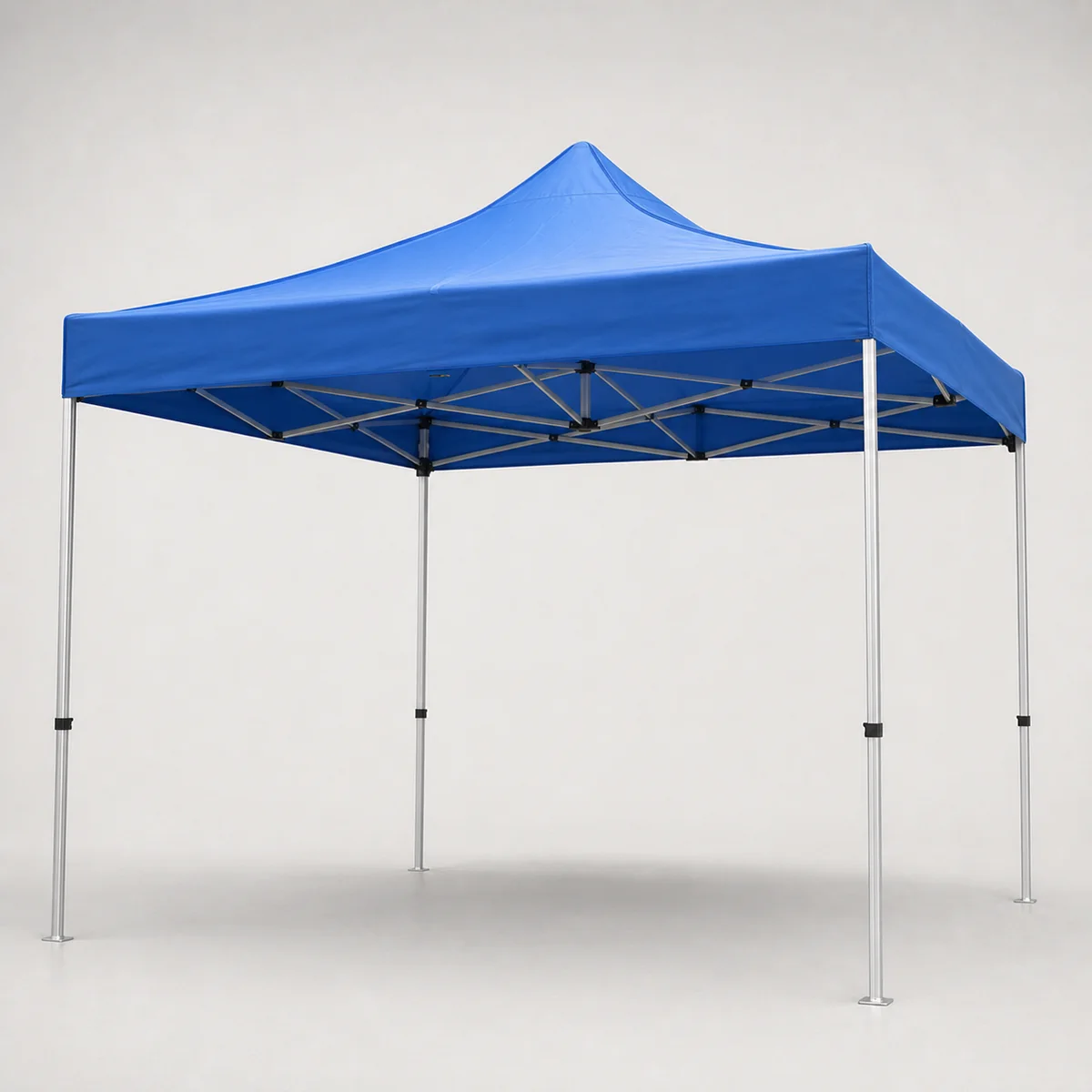 Canopies & Outdoor EquipmentProduct reference image
Aluminium-frame Tent
Aluminium-frame tent. Material: aluminium alloy frame with canvas; Fabric: (600D Oxford fabric); Listed colours: Red/Blue/Green (other colours are subject to written confirmation). Formal quotation available upon enquiry by intended use, specifications and quantity.
- Material
- Aluminium alloy frame with canvas
- Fabric
- (600D Oxford fabric)
- Listed colours
- Red/Blue/Green (other colours are subject to written confirmation)
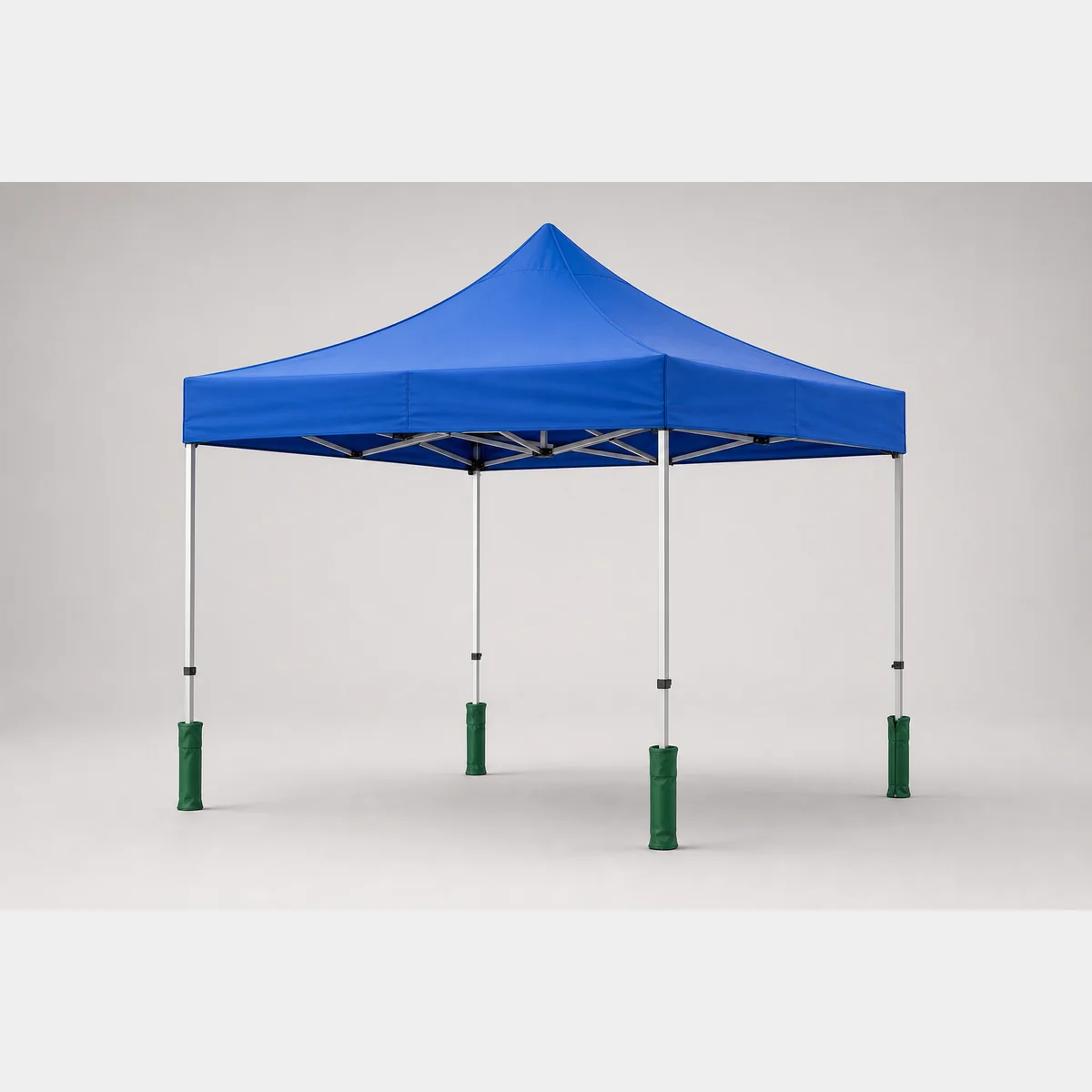 Canopies & Outdoor EquipmentProduct reference image
Aluminium-frame Tent
Aluminium-frame tent. Material: aluminium alloy frame with canvas; Fabric: (600D Oxford cloth); Side curtain fabric: (420D Oxford cloth). Formal quotation available based on intended use, specifications and quantity.
- Material
- Aluminium alloy frame with canvas
- Fabric
- (600D Oxford cloth)
- Side curtain fabric
- (420D Oxford cloth)
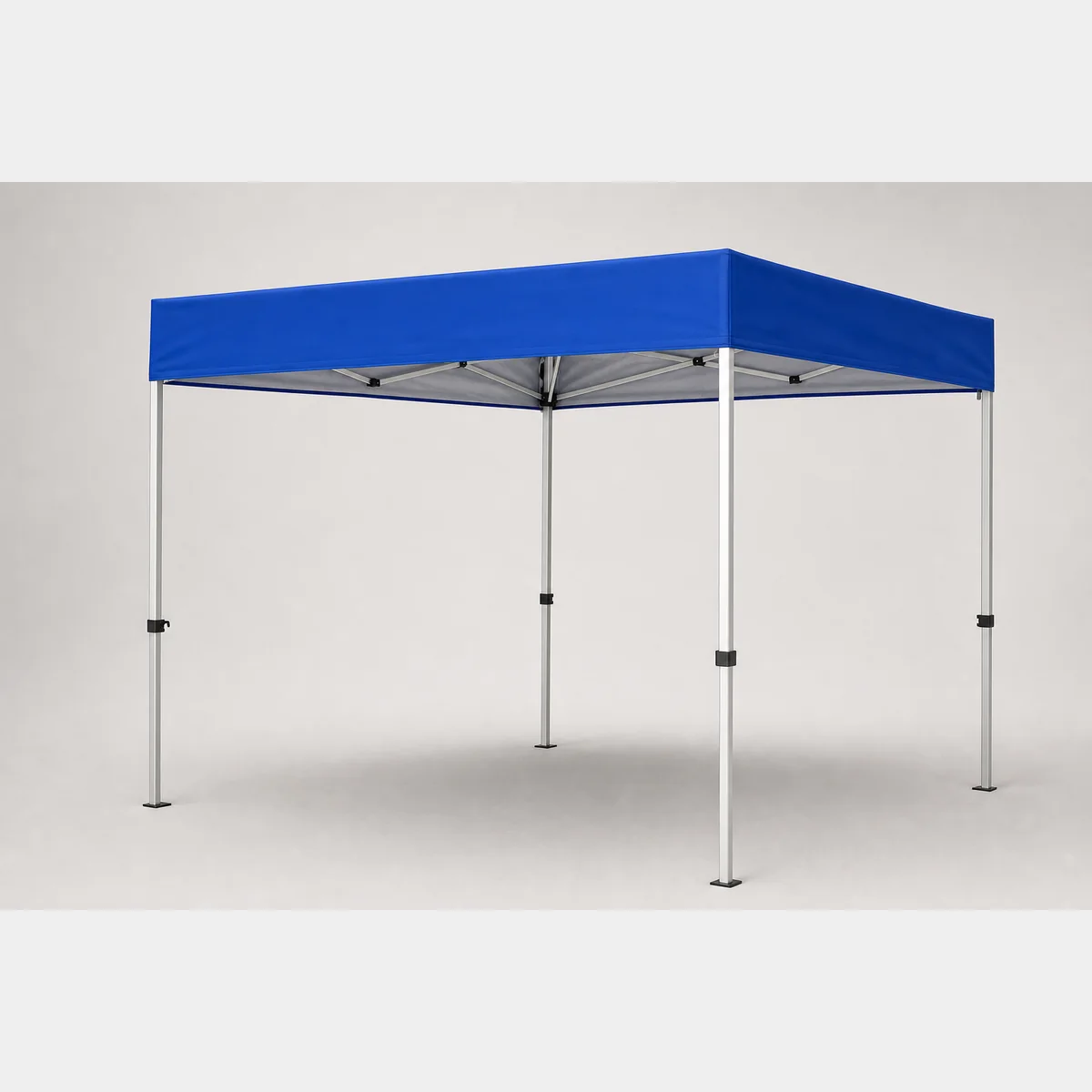 Canopies & Outdoor EquipmentProduct reference image
Flat-top Tent (Stainless Steel Frame)
Flat-top Tent (Stainless Steel Frame), A: 2Mx2M; B: 3Mx3M. Formal quotation available upon request based on use, specifications and quantity.
- A
- 2Mx2M
- B
- 3Mx3M
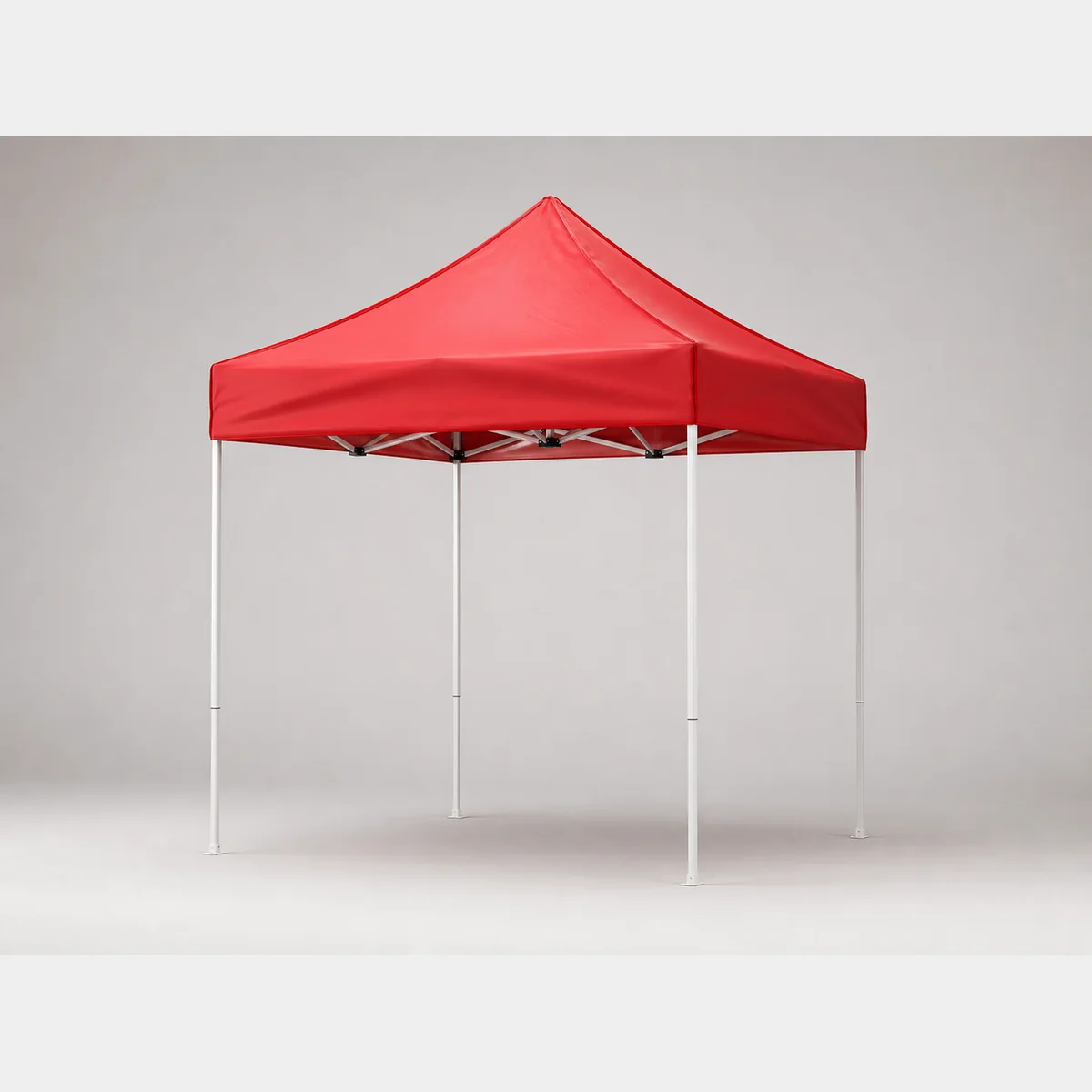 Canopies & Outdoor EquipmentProduct reference image
Iron-frame Tent
Iron-frame tent, material: iron frame with canvas; Fabric colours: Red/Blue/Green (other colours or silk-screen logo require formal quotation); Fabric: (600D Oxford fabric). Formal quotation available based on use, specifications and quantity.
- Material
- iron frame with canvas
- Fabric colours
- Red/Blue/Green (other colours or silk-screen logo require formal quotation)
- Fabric
- (600D Oxford fabric)
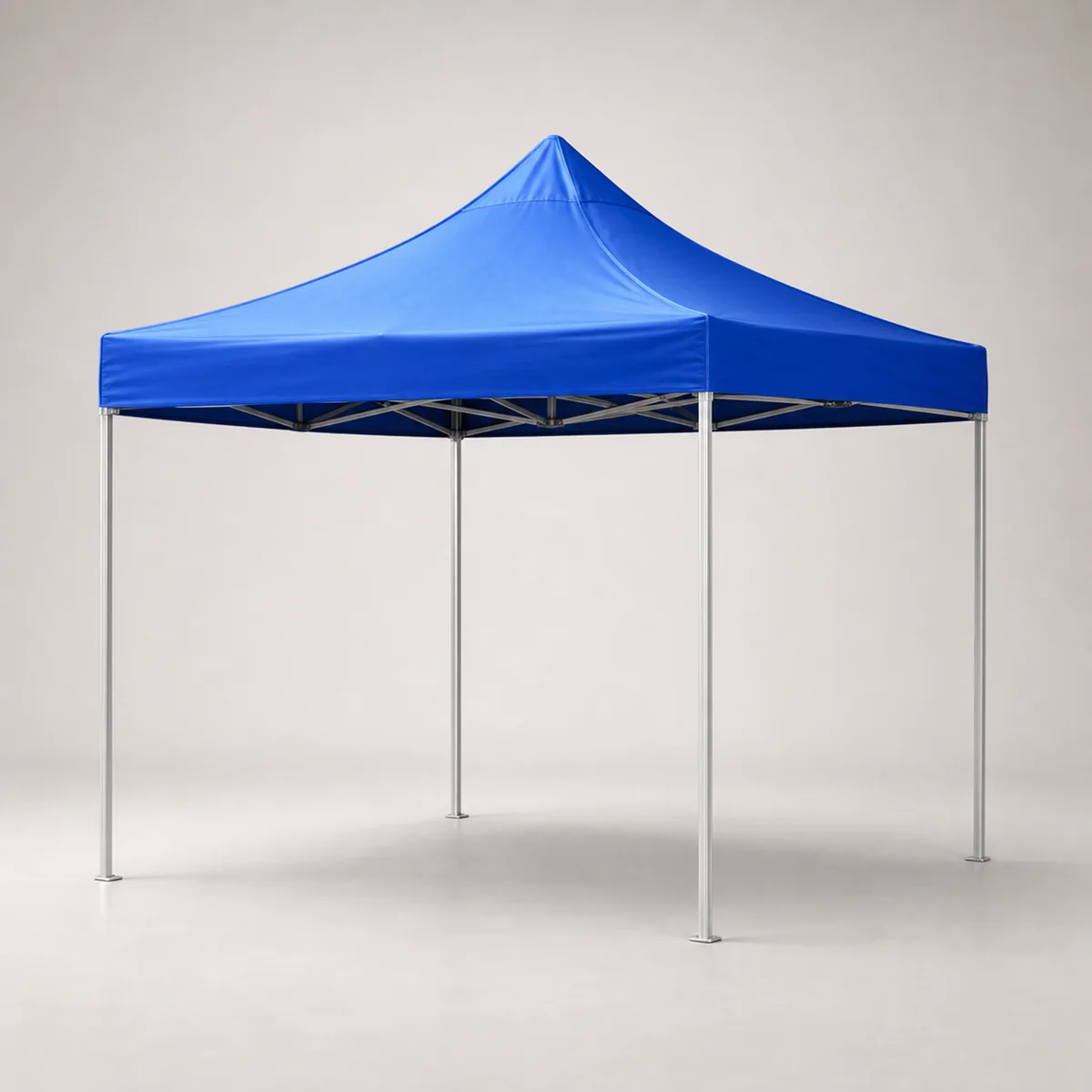 Canopies & Outdoor EquipmentProduct reference image
Tent (aluminium frame)
Tent (aluminium frame), A: 2M x 2M; B: 3M x 3M; C: 2.5M x 2.5M. Formal quotation available on request based on use, specifications and quantity.
- A
- 2M x 2M
- B
- 3M x 3M
- C
- 2.5M x 2.5M
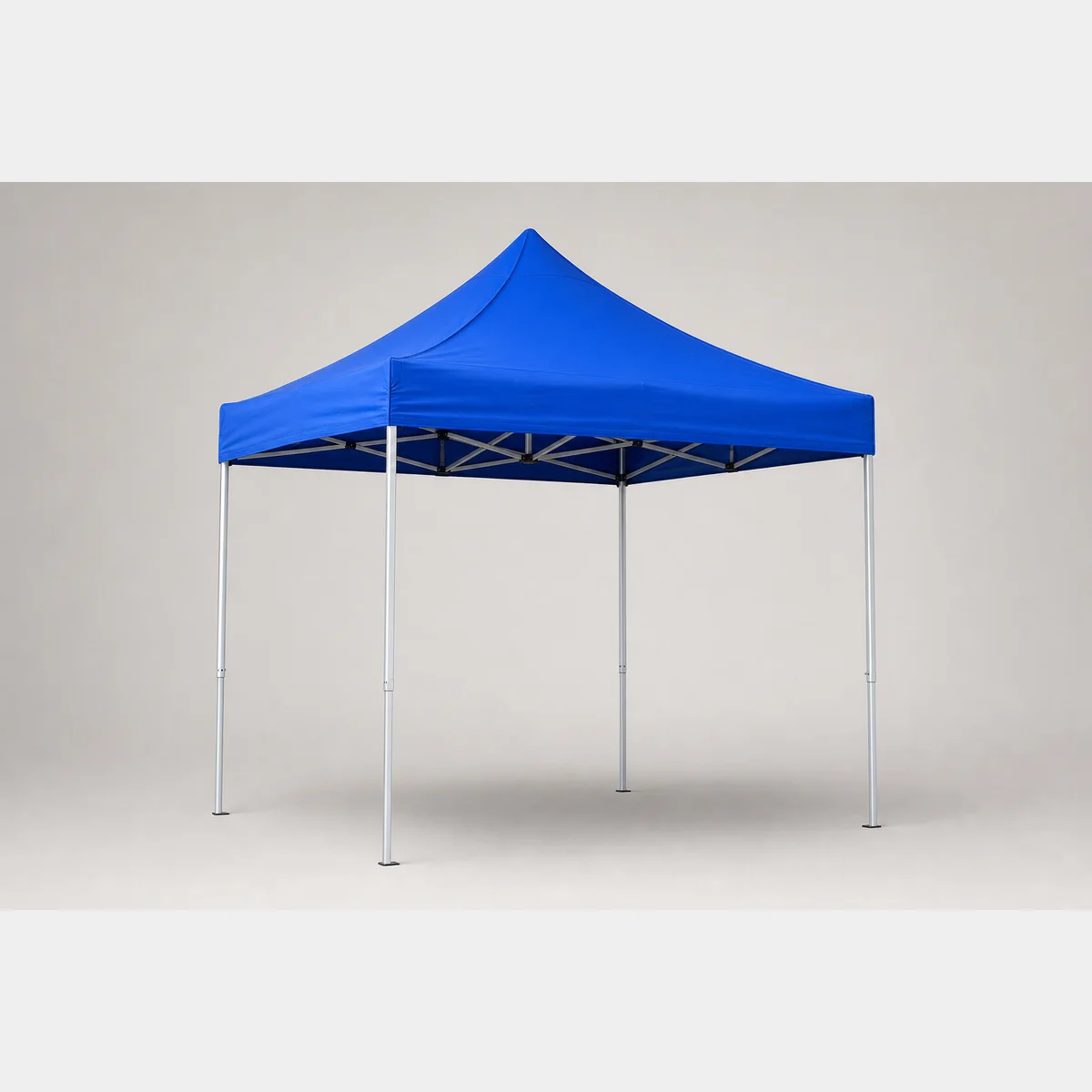 Canopies & Outdoor EquipmentProduct reference image
Tent (Aluminium frame) S8141
S8141 aluminium tent frame in four source-listed sizes. Source records conflict between 38 mm and 40 mm upright tubes; confirm the exact tube specification in writing.
- Size
- 2Mx2M
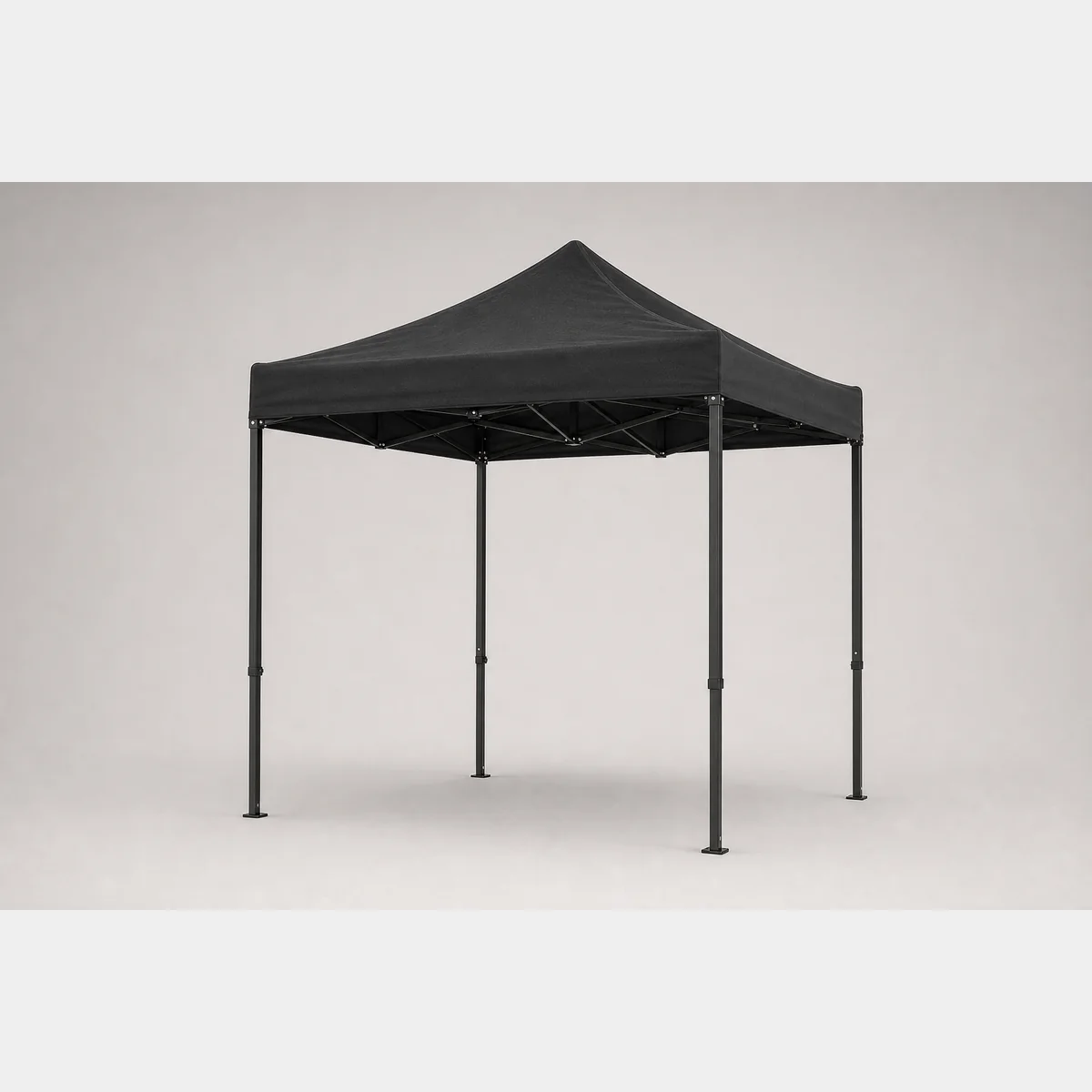 Canopies & Outdoor EquipmentProduct reference image
Tent (black iron frame)
Tent (black iron frame), sizes: 2 x 2 m / 3 X 3 m; MOQ: 1/PC; Fabric: (600D Oxford cloth). Request a formal quote based on application, specs and quantity.
- Dimensions
- 2 x 2 m / 3 X 3 m
- MOQ
- 1/PC
- Fabric
- (600D Oxford cloth)
Continue with closely related procurement topics
These pages share equipment, operating or decision-stage signals with this guide.
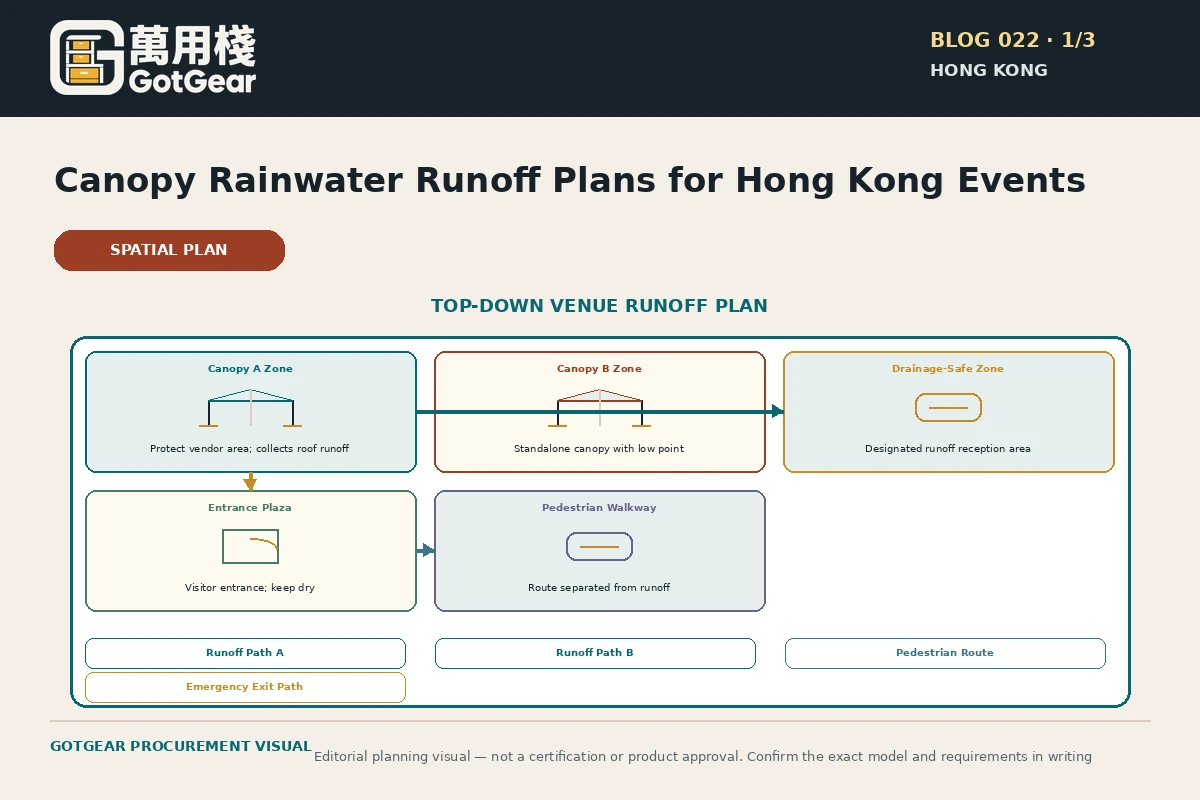
Canopy rainwater runoff plan Hong Kong
GotGear explains canopy rainwater runoff plan Hong Kong for Hong Kong buyers. See how pop up canopy gutter kit layout Hong Kong supports canopy tent rainwater pooling prevention Hong Kong, with practical checks, evidence boundaries and written requirements.
Read the guide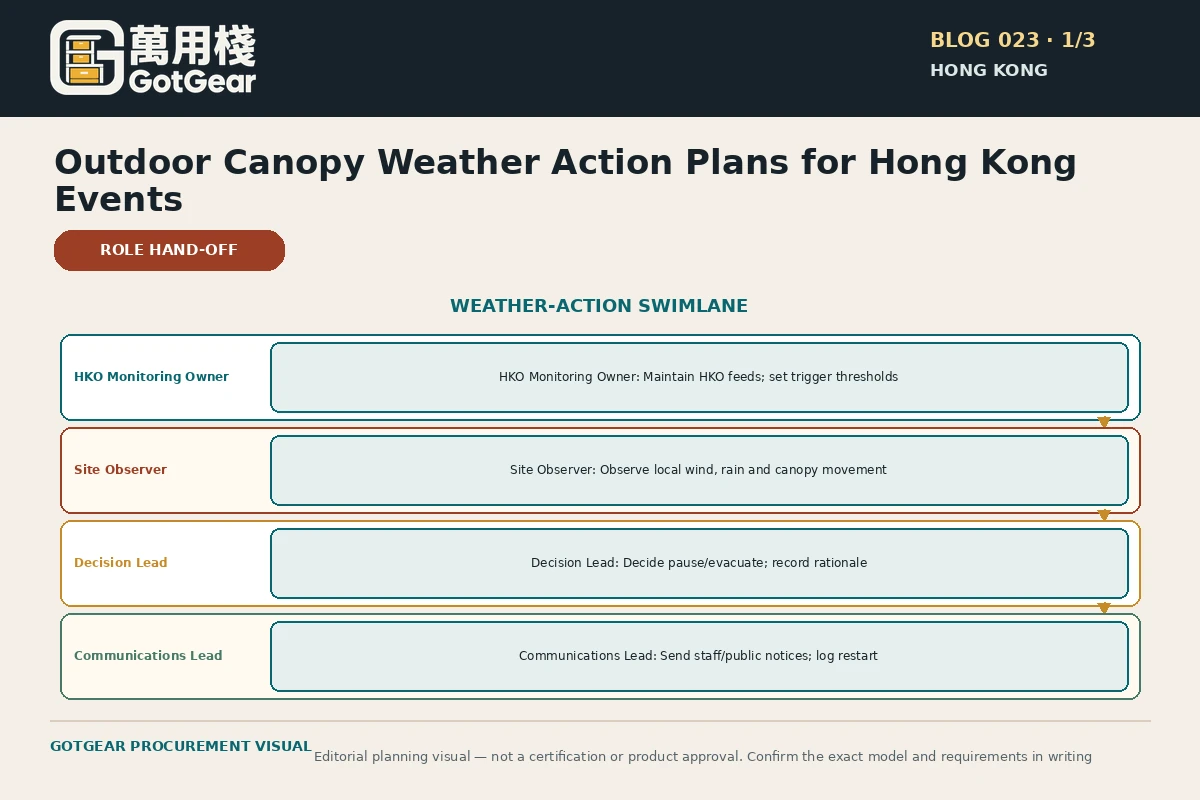
Outdoor canopy weather action plan Hong Kong
GotGear explains outdoor canopy weather action plan Hong Kong for Hong Kong buyers. See how canopy tent wind monitoring procedure Hong Kong supports pop up gazebo thunderstorm response plan Hong Kong, with practical checks, evidence boundaries and written requirements.
Read the guide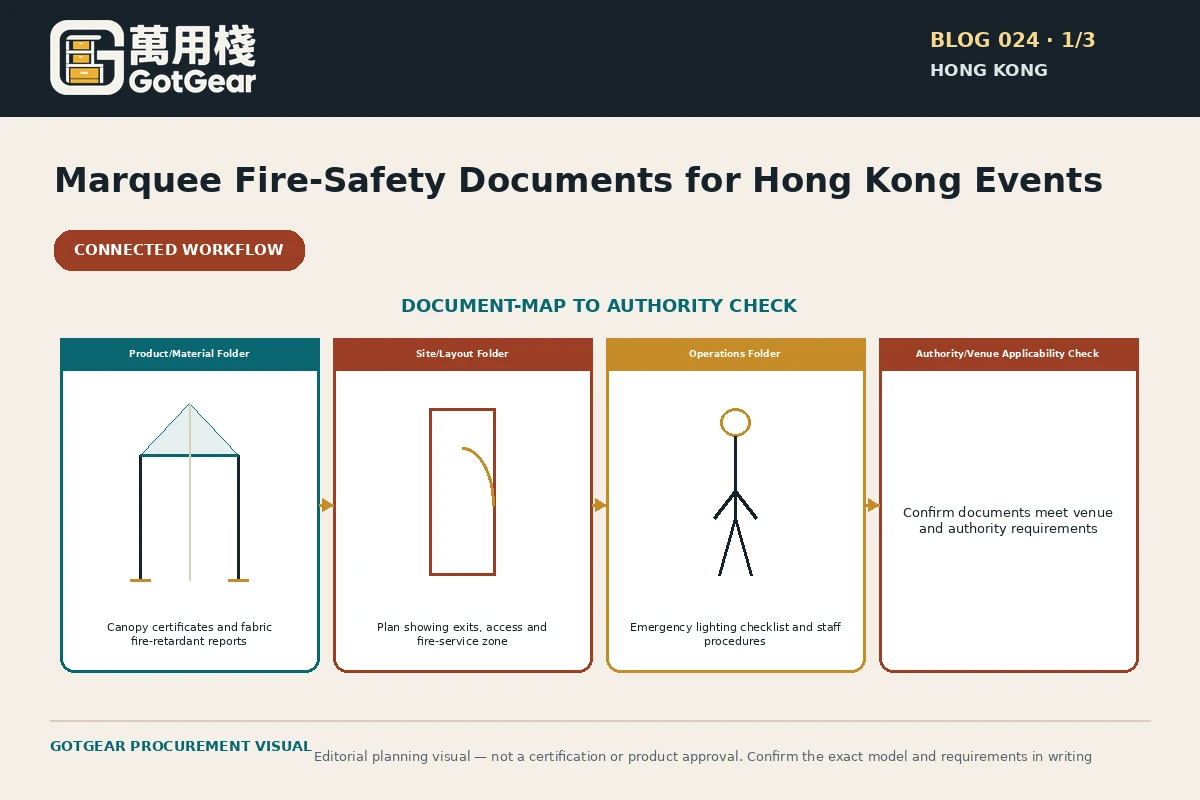
Temporary marquee fire safety documents Hong Kong
GotGear explains temporary marquee fire safety documents Hong Kong for Hong Kong buyers. See how canopy fire retardant fabric certificate Hong Kong supports marquee emergency lighting checklist Hong Kong, with practical checks, evidence boundaries and written requirements.
Read the guide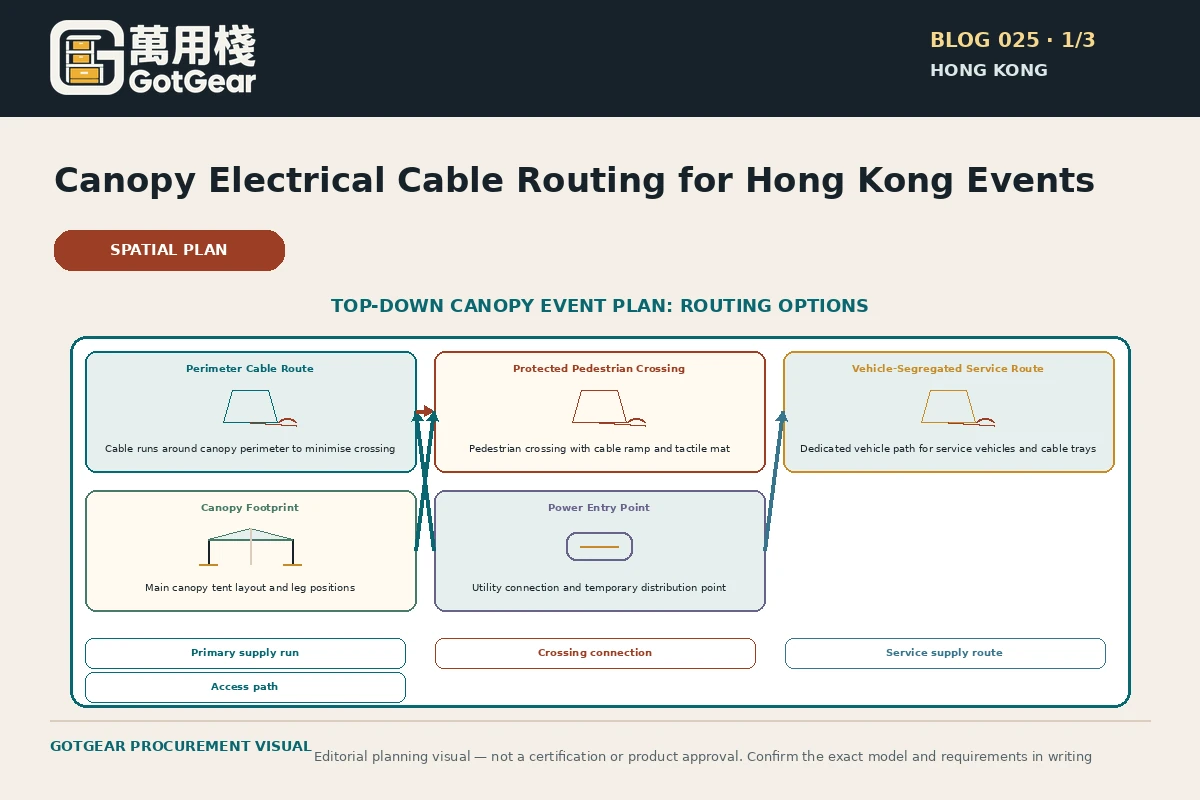
Canopy electrical cable routing Hong Kong
GotGear explains canopy electrical cable routing Hong Kong for Hong Kong buyers. See how outdoor event cable ramp layout Hong Kong supports canopy tent temporary power checklist Hong Kong, with practical checks, evidence boundaries and written requirements.
Read the guideRelated topic indexOpen more English procurement pages10 topics
Browse additional equipment families, applications and procurement questions relevant to these operating requirements.