
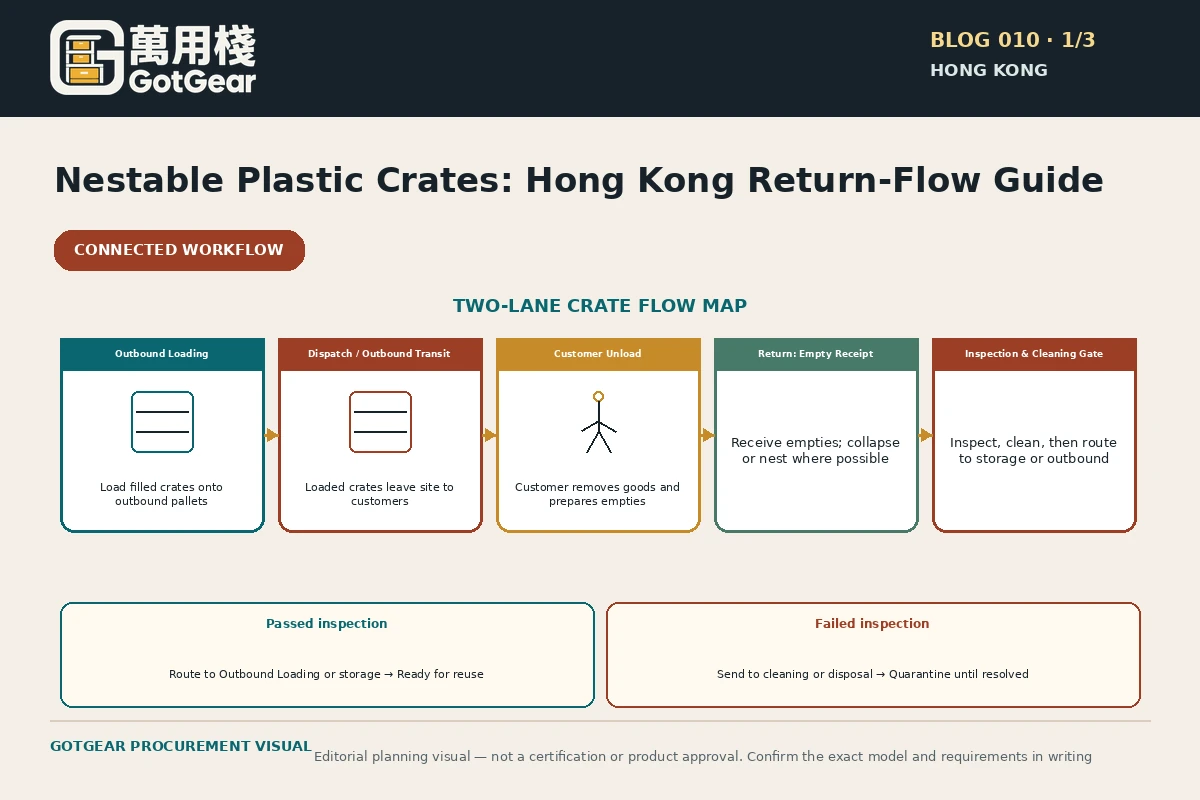
A nestable crate can save significant back-room and vehicle space when empties return routinely and are handled in constrained areas, but only if you first map loaded movement, empty-stack orientation and manual-handling risks. Test stability with your full SKU mix, confirm label and access orientation when nested, verify cleaning and damage-isolation needs and validate cage or vehicle capacity. If frequent multi-tier stack stability matters, prefer stack-only or stack-and-nest options; if empty-density and short return distances dominate, nestables can win.
What to remember before you decide
- Empty-space savings are valuable in Hong Kong but must be balanced against loaded stability, handling posture and cleaning implications.
- Map the full return loop and run real-world loaded and nested trials with your SKU mix before specifying crate type.
- Use Labour Department manual-handling criteria to assess extra de-nesting tasks and set controls or aids where risk appears.
- Check label visibility and scanning when crates are nested; if labels are obscured, the operational resource requirements can offset empty savings.
- Consider hybrids or a mixed fleet when both loaded stability and empty-density are operational priorities.
- Pilot changes in a limited area, capture quantitative handling and time data, then scale with documented SOPs and training.
Why empty storage is only one part of the choice
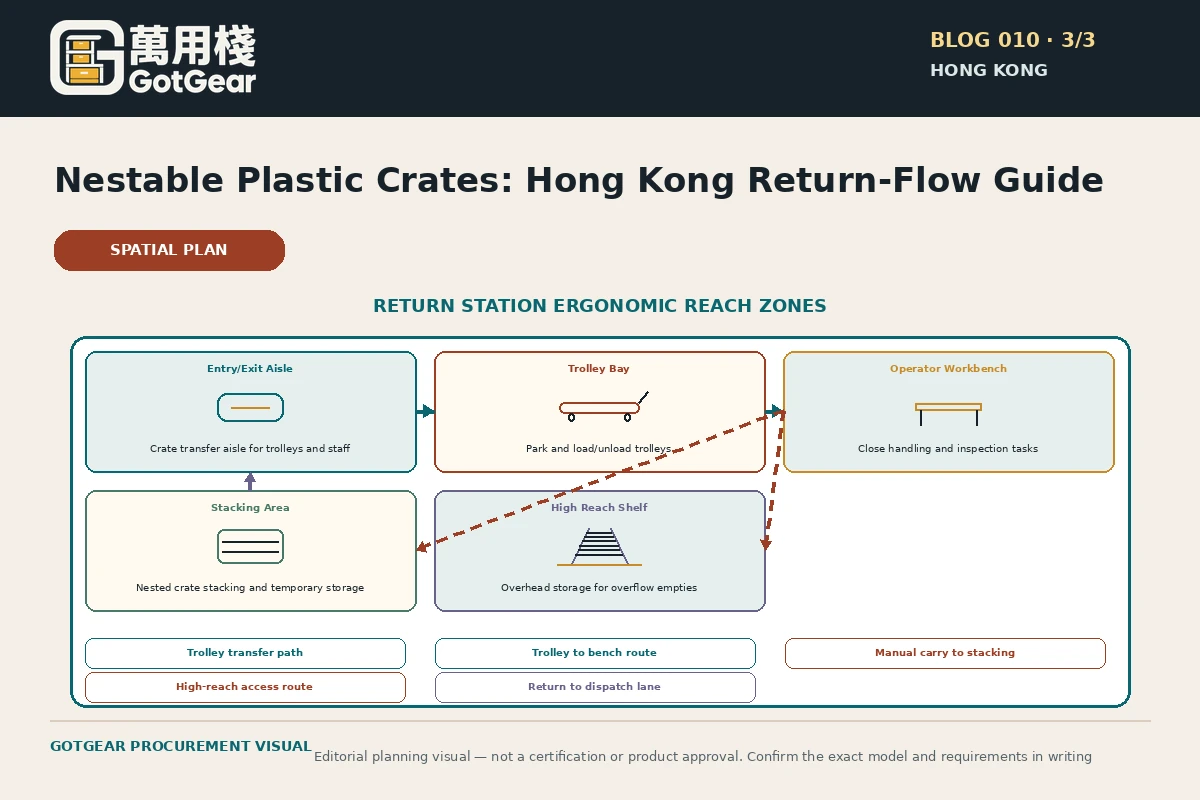
In Hong Kong premises the debate often starts and ends with empty-space numbers. Land and storage space are resource-intensive here, so the appeal of nestable crates is obvious: they reduce footprint when empty. However, procurement and operations teams must translate that single metric into a broader workflow picture. A nestable design will usually push empties into deeper columns or higher nests — this can change how staff lift, turn and carry crates in narrow back-of-house corridors and lifts. The Labour Department’s manual-handling guidance identifies task, load, environment and individual capability as factors to assess; apply that checklist when shifting from a stack-only fleet to nestables. Use these decision checks: measure empty-stack depth versus accessible stack height in your actual return zones; time how often empties are moved by hand versus by trolley or forklift; confirm whether empties will be stored on level, rigid surfaces as recommended by local storage guidance. A key limitation is that nestable crates often require orientation control (all crates facing the same way to nest properly), creating extra handling steps for staff and potentially increasing awkward postures. Next, map a week of inbound and outbound movements, mark exact storage footprints, and run a short manual-handling risk assessment on typical return lifts and turns before signing off on a nestable-only specification.
Loaded-state stability and what it requires in practice
Nestable crates generally compromise some stacking stability when loaded compared with stack-only designs. In Hong Kong, many distribution legs involve stacked pallets and cages on compact vehicles and trolleys; unstable stacks increase slip or tip risk when a container is jostled in a busy alley, lift or loading bay. Practical checks include loading full crates with your heaviest SKUs and simulating the common movement — e.g. turning corner to service lift, loading onto a two-wheel sack truck, or stacking in a service cage. Use these decision checks: test lateral and vertical stability with your own products and packing patterns; verify whether edge-lip features or locking tabs reduce wobble for the loaded stack. A key limitation is that you should not assume product orientation is consistent — seasonal or mixed loads may expose weaker stacking characteristics. Next, run three full-load stability trials, capture video for training, and select the crate variant that keeps required stack heights with acceptable wobble for your vehicle and cage types.
“Select crate geometry for the whole cycle — loaded movement, return flow, cleaning and human handling — not for an empty-space headline figure.”— GotGear Editorial Team
What should buyers compare for nestable plastic crates Hong Kong?
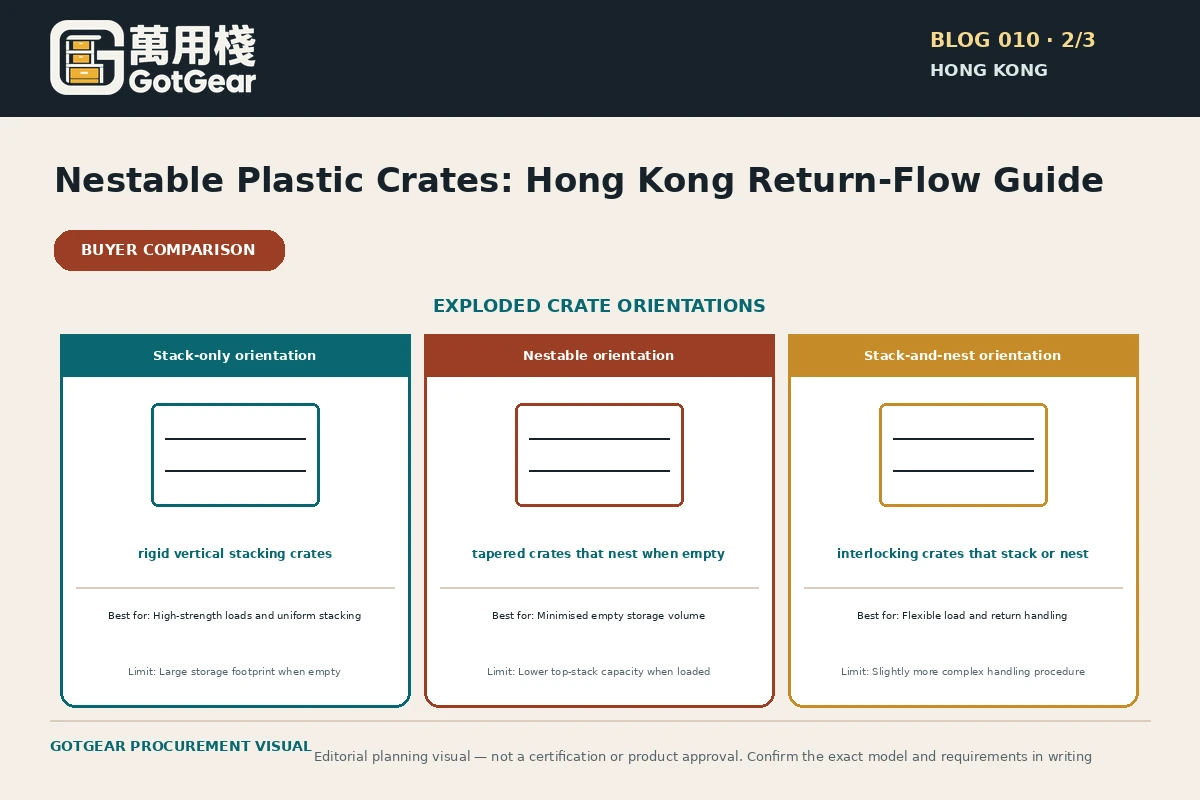
| Option or approach | Best for | Trade-offs | Checks before acceptance |
|---|---|---|---|
| Stack-only plastic crates | Operations prioritising maximum loaded-stack stability and easy label visibility on every crate. | Consume maximum empty storage footprint; limited space savings on return flows. | Load test with your heaviest SKUs and run stack-tilt and drop simulations inside the actual vehicle and cage used in Hong Kong runs. |
| Nestable plastic crates | Facilities where empty-return density and short return distances dominate and staff can de-nest quickly. | Reduced loaded-stack stability, hidden labels when collapsed, potential extra handling steps and cleaning challenges. | Perform nested and un-nested scan tests, manual-handling posture observations in service corridors and a soil-trap inspection during wash cycles. |
| Stack-and-nest (hybrid) crates | Mixed workflows needing good loaded stability with partial empty footprint reduction when collapsible features are used selectively. | Higher unit resource requirements and slightly more complex procurement and inventory management; less empty-density than full nestables. | Compare daily vehicle loading trials and back-room footprint measurements using the hybrid model against existing fleets. |
| Dedicated collapsible cages or dollies plus stack-only crates | Operations wanting loaded stability with maximum empty reflow density via separate folding cages. | Requires investment in cages and handling equipment; adds another asset to manage and maintain. | Pilot with one route: measure dock-to-vehicle cycle times and tally handling steps required to transfer crates between cage and vehicle. |
| Mixed fleet with zone-based rules | Large operations with different needs at each site — keep stack-only for long-haul legs and nestable for short local runs. | Increased operational complexity and need for clear SOPs; risk of mis-routing wrong crate types. | Map your routes and assign crate types by route profile; run a two-week pilot and record exceptions and misroutes. |
This framework helps buyers create comparable written enquiries. Final model specifications, availability, delivery and commercial terms must be confirmed in a formal quotation.
Labelling, orientation and identification during returns
Hong Kong operations rely heavily on quick visual identification at returns and replenishment points. Nestable crates can obscure label areas when collapsed or nested, making scanning and picking slower and increasing handling to rotate or separate crates. If returns go into automated scanners, nested stacks may prevent barcodes from being read without un-nesting. Use these decision checks: confirm label placement and visibility when crates are nested and when stacked; check whether your scanning equipment or hand-held terminals can reach labels on a nested column; consider colour-coding or persistent flag labels that remain visible even when nested. A key limitation is that some nestable designs leave no flat face for machine-readable labels once collapsed; retrofitting labels to side faces can reduce nest depth and negate savings. Next, trial tapes or removable flag labels on nested samples and verify scan rates in-situ; if visibility fails, consider stack-and-nest designs that retain a visible face when collapsed.
Cleaning, damage isolation and vehicle/cage limits
Cleaning and damage control are operational constraints that shape crate choice in Hong Kong food-service, laundry and retail supply chains. Nesting can trap dirt inside nested columns and reduce airflow, complicating visual inspection and sanitation cycles. Conversely, stack-only crates with solid walls may collect and transfer contamination between stacked units unless separated by pallets or shelf liners. Use these decision checks: check how easily nested columns can be separated for cleaning and whether the nesting geometry traps moisture or debris; consider how damaged crates are isolated — nested sets can hide cracked walls until un-nested. A key limitation is that mechanical de-nesting or washing lines may not be available in smaller HK facilities; this makes manual separation frequent and increases manual-handling exposure. Next, include cleaning staff in the trials, run a soiled/clean cycle test, and measure time and posture required to separate nested sets. Also confirm cage and vehicle payloads and geometry: if vehicle interiors require specific stack heights, make sure your chosen crate behaviour (stacking when loaded, nesting when empty) fits those profiles.
Nestable plastic crates Hong Kong decision checklist
- Map the full movement loop for crates: pick-to-vehicle, vehicle transit, delivery load/unload, return path and back-room storage.
- Measure actual clearances in lifts, service corridors and cage interiors; compare with nested column depth and stacked height in practice.
- Run loaded stability tests with your heaviest and most awkward SKUs using the target crate models and replicate common movements (turns, lift transfers, trolley use).
- Perform a manual-handling risk assessment using Labour Department criteria: task, load, environment and worker capability for returning empties.
- Verify label and barcode visibility when crates are nested and when stacked; confirm scan rates on handhelds and fixed scanners.
- Test cleaning cycles for nested columns: inspect for trapped debris, moisture retention and ease of access for visual checks.
- Establish a damage-isolation procedure: how will cracked or warped crates be found and removed when nested?
- Check vehicle and cage geometry and payload constraints — ensure the crate behaviour aligns with allowable stack heights and loading patterns.
- Pilot orientation controls and SOPs for correct nesting direction; time the extra seconds per crate and assess cumulative labour impact.
- Decide whether de-nesting aids, dollies or mechanical separators are needed and evaluate their footprint and resource requirements in your Hong Kong site.
Practical action sequence
- Run a one-week motion study recording crate types, counts and handling methods on representative routes.
- Select three crate samples (stack-only, nestable, hybrid) and perform loaded-stack stability and nested visibility tests with your SKUs.
- Recruit operations and cleaning staff to perform soiled/clean cycles on nested columns and record time, risks and cleaning effectiveness.
- Complete a Labour Department-style manual-handling checklist for common return tasks and note any required controls or training.
- Measure and mark storage and transit clearances in lifts and corridors; compare against nest depths and stacked heights.
- Pilot the preferred crate type on a limited number of routes for two to four weeks and gather quantitative handling- and time-resource requirements data.
- Train staff on orientation, stacking and damage-isolation SOPs before scaling the chosen configuration.
- Review pilot results, adjust crate mix or process controls, and roll out with an updated handover pack for all sites.
Apply the checks to your Hong Kong site
Local Hong Kong context emphasises short handling distances, narrow lifts, high pedestrian traffic and premium storage resource requirements. That combination makes empty-saving attractive but raises manual-handling and stability concerns specifically called out by the Hong Kong Labour Department guidance on manual handling and heavy objects. Any change to crate type should be accompanied by a site-specific risk assessment, hands-on stability and cleaning trials, and a plan for training staff in consistent orientation and stacking practice. When assessing nestable plastic crates Hong Kong teams should verify empty-state footprint in delivery cages, how labels remain visible when nested, and whether nested geometry concentrates loads in lifts. Likewise, operations comparing stack and nest crates Hong Kong need to test loaded-state stability, damage isolation and manual handling maneuvers in confined back-of-house aisles. For warehouses reviewing returnable crate empty storage Hong Kong, validate vehicle and cage limits plus cleaning access before adoption. Operational takeaway: run measured site trials—stability, cleaning and staff handling—then lock in the crate configuration that meets your lift and handling constraints.
References used for this article
These sources provide regulatory, safety or planning context. They do not certify any GotGear product or replace site-specific professional advice.
- Hong Kong Labour Department — A Simple Guide to Health Risk Assessment — Manual-handling definition, risk factors and a structured assessment of task, load, environment and worker capability.
- Hong Kong Labour Department — Handling of Heavy Objects in Workplaces — Task-specific risk assessment, stable storage/stacking and review when work conditions change.
- Great Britain Health and Safety Executive — Warehousing and storage: A guide to health and safety — Recognised supplementary warehousing context covering manual handling, mechanical handling, site transport and storage.
Questions about nestable plastic crates Hong Kong
How does Hong Kong’s Labour Department guidance apply to choosing nestable crates?
The Labour Department defines manual handling in terms of moving or supporting loads with bodily effort and recommends assessing task, load, environment and worker capability. When you change crate type, use that checklist to identify increased risks: for nestables this will typically include extra twisting or two-handed lifts to de-nest, carrying nested columns through narrow lifts, and prolonged forward flexion if stacks are high. The guidance supports documenting these risks and implementing controls such as mechanical aids, two-person lifts, or revising storage locations to reduce manual exposure.
What storage and stacking practices does the Labour Department recommend that affect crate choice?
Their handling-of-heavy-objects guidance highlights that storage and stacking should reflect size, weight, pattern and frequency of movement and be on flat, rigid, level surfaces. For crates this means avoiding unstable high nests on uneven floors, not exceeding safe access heights, and reviewing arrangements when products or frequencies change. Apply these points by confirming nest columns sit on a level surface and by setting site-specific maximum nest heights informed by actual vehicle and cage geometries.
Should I assume overseas warehousing guides change my obligations in Hong Kong?
Overseas guides such as HSE’s warehousing guidance provide useful supplementary context on manual handling, mechanical aids and site transport but do not change Hong Kong regulatory obligations. Use them as best-practice references for storage layouts, mechanical handling options and training, and always map those ideas onto your Hong Kong site conditions and Labour Department recommendations when making procurement or process decisions.
How do stack-and-nest hybrids perform in narrow Hong Kong service corridors compared with pure nestables?
Hybrids are designed to keep better loaded stability than pure nestables while offering partial empty savings. In narrow corridors they reduce some de-nesting effort because orientation and label faces are often retained, but they will not match the empty-density of full nestables. They can be an effective compromise where a facility needs both reliable loaded stacks and some return-saving without a wholesale process change. Validate with a corridor trial that simulates peak return volumes and staff flows.
What are common hidden resource requirements when switching to nestable crates in Hong Kong operations?
Hidden resource requirements include extra manual-handling time to orient and de-nest crates, additional training, increased wear or concealed damage within nested columns, potential cleaning labour increases if nesting traps moisture, and the need to retrofit label solutions. There may also be operational exceptions if some routes require stable stacking and others prioritise empty density; managing a mixed fleet increases inventory complexity and routing discipline. Measure these resource requirements in your pilot before committing to a single solution.
How should I validate crate choices against vehicle and cage limits used in Hong Kong deliveries?
Do not rely on supplier claims of generic stack heights; test with your vehicles and cages. Load crates into the actual van, minibus or cage used on a typical run, including common tie-downs and floor irregularities, then drive or simulate movements where safe to do so. Capture any rubbing, tipping or unacceptable wobble and measure actual stack heights achievable with acceptable safety margins. Use that evidence to set site-specific stacking limits rather than universal numbers.
Compare available product models and specifications
These product cards are matched to this buying topic. Select a specification and quantity to send the product details to WhatsApp.
 Shelving & StorageProduct reference image
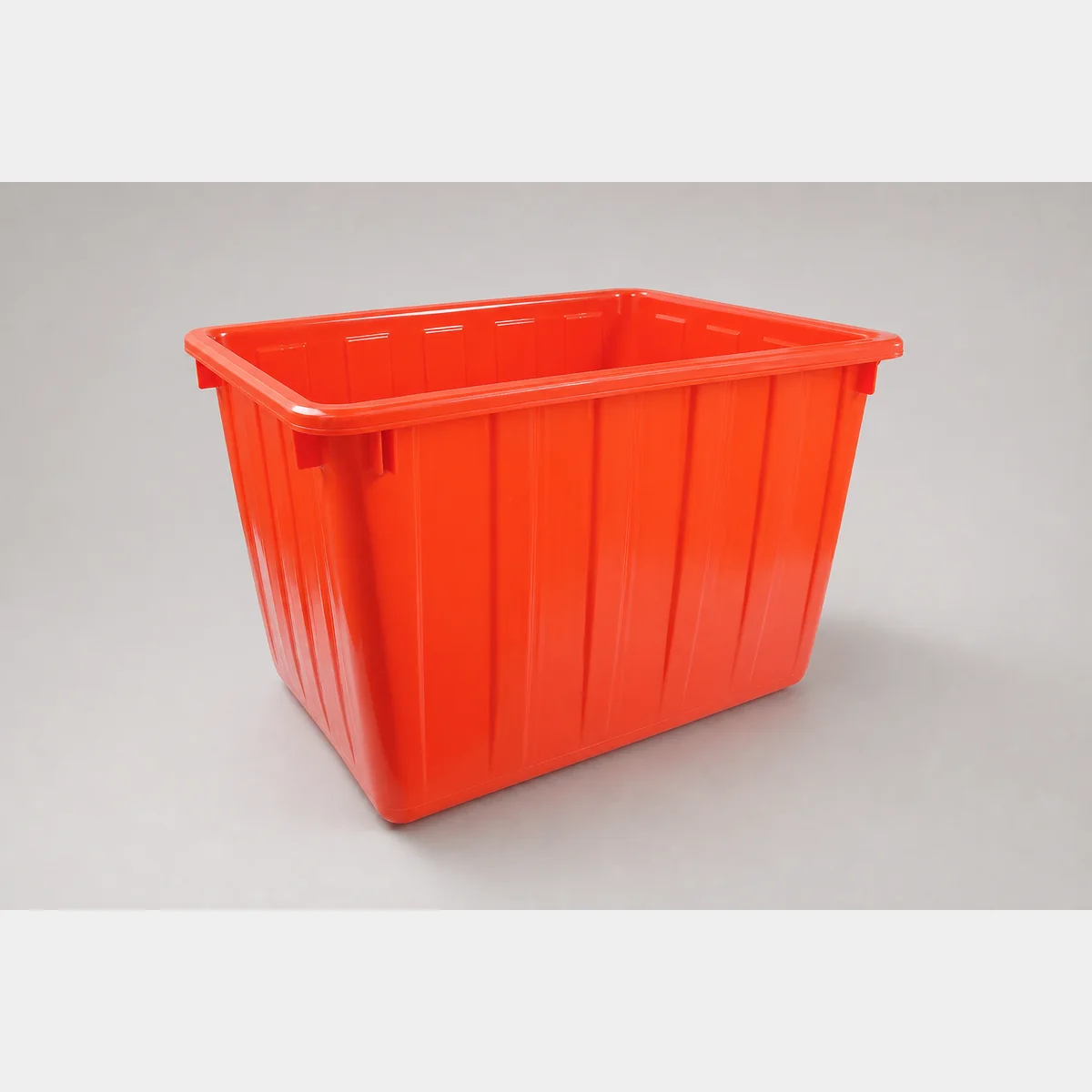
Large Plastic Crates
Large plastic crate, C-120 (Capacity: 110L); External: 710L x 505W x 395H (mm) / 745L x 538W x 405H (mm); Internal: 595L x 390W x 380H (mm) / 620L x 420W x 395H (mm). Formal quotation available based on use, specifications and quantity.
- C-120 (Capacity)
- 110L
- External
- 710L x 505W x 395H (mm) / 745L x 538W x 405H (mm)
- Internal
- 595L x 390W x 380H (mm) / 620L x 420W x 395H (mm)
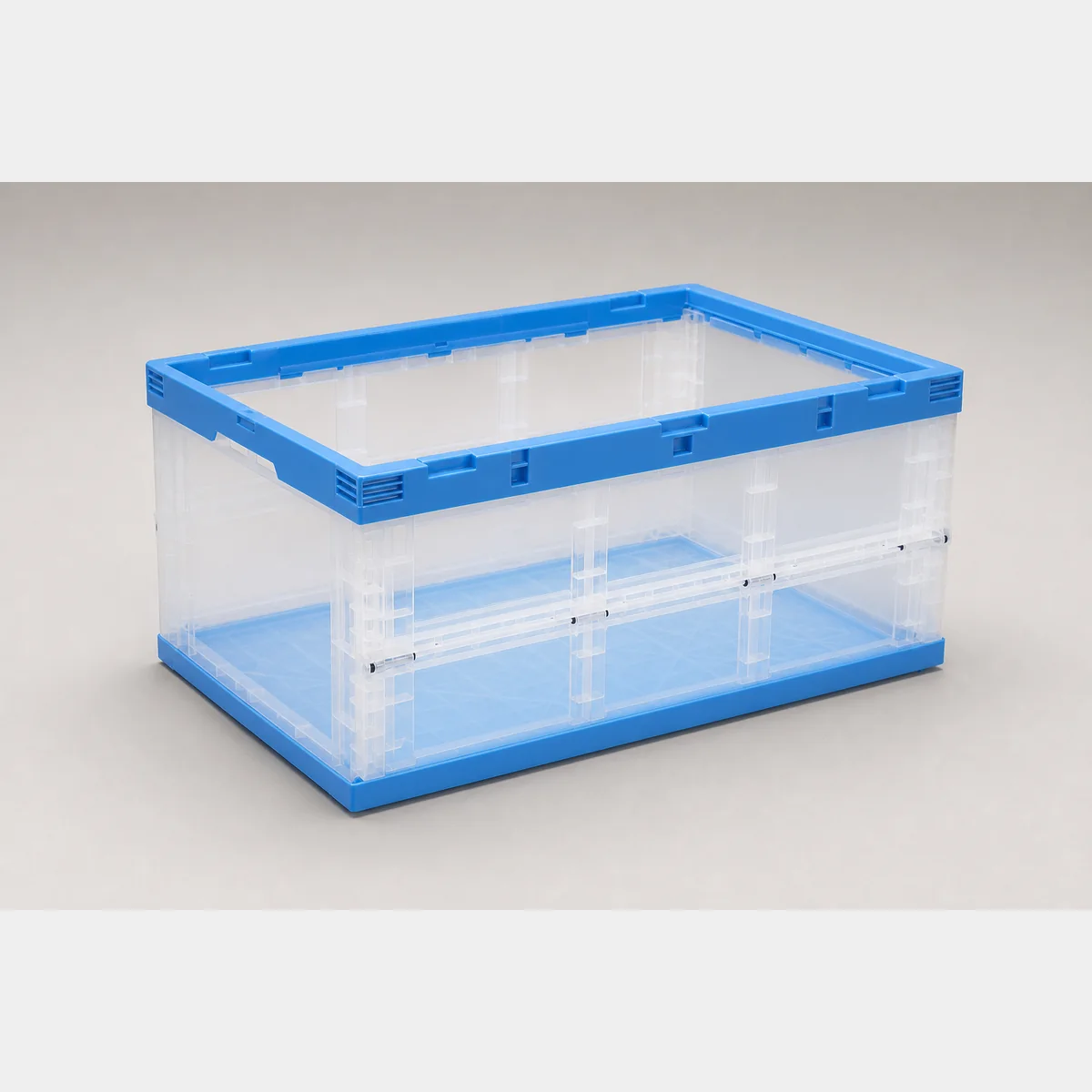 Shelving & StorageProduct reference image
Collapsible plastic crate
Collapsible plastic crate. Sizes: L650 X W440 X H345 mm / L590 X W395 X H320 mm. Formal quotation available upon enquiry with intended use, specifications and quantity.
- Dimensions
- L650 X W440 X H345 mm / L590 X W395 X H320 mm
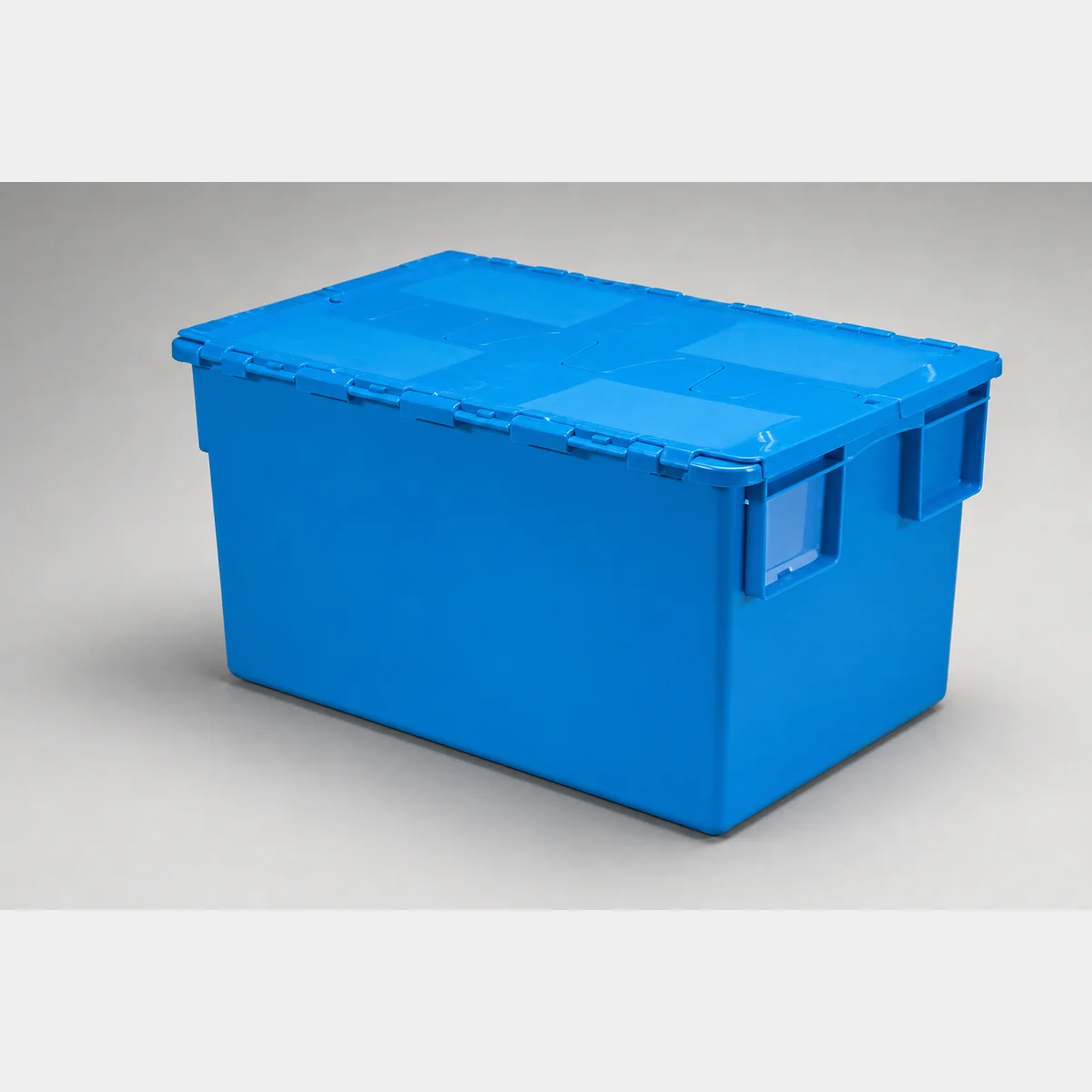 Shelving & StorageProduct reference image
Lidded Plastic Crate
Lidded plastic crate, External dimensions: Length 643 X Width 430 X Height 325 mm; Internal dimensions: Length 590 X Width 380 X Height 310 mm. Formal quotation available upon request according to use, specifications and quantity.
- External dimensions
- Length 643 X Width 430 X Height 325 mm
- Internal dimensions
- Length 590 X Width 380 X Height 310 mm
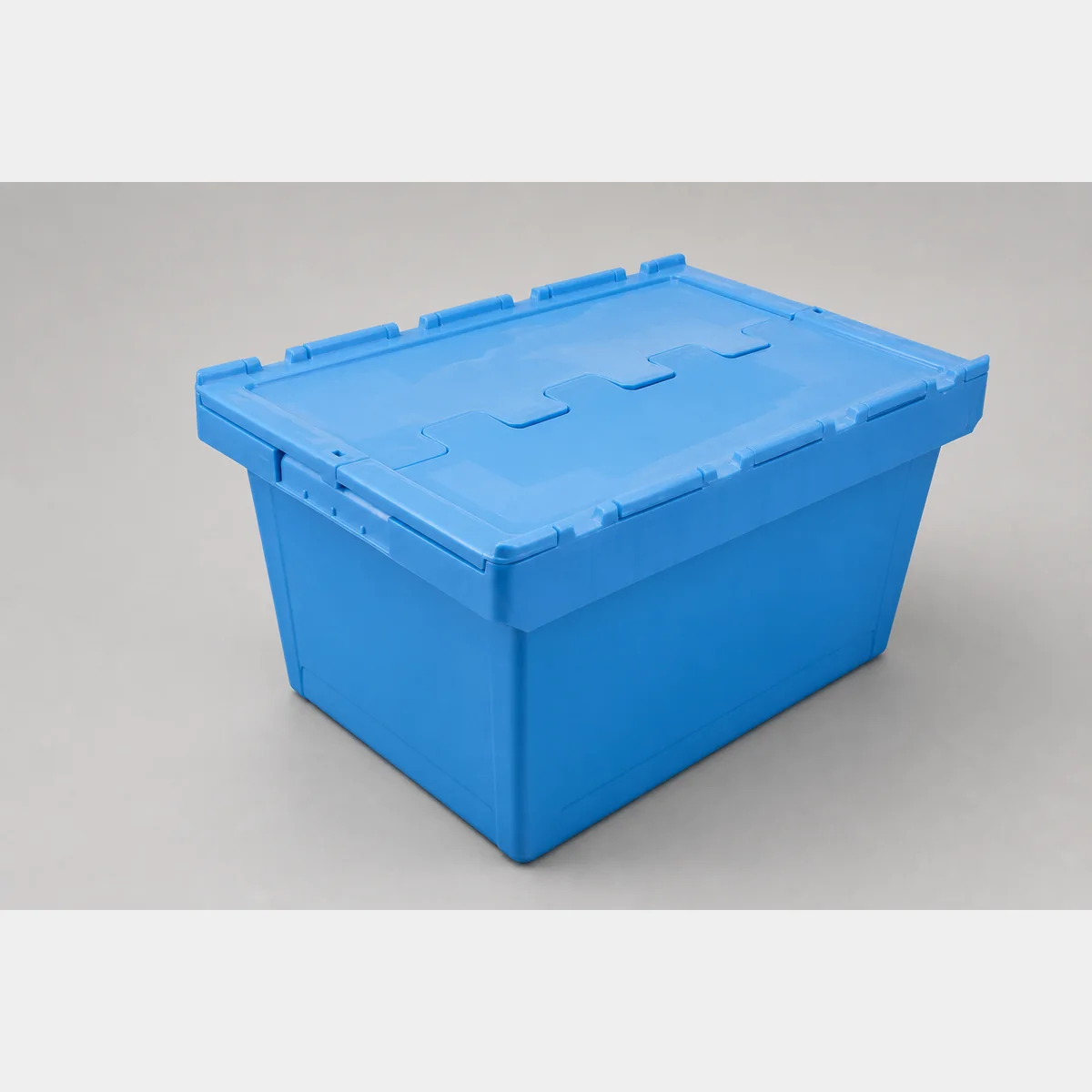 Shelving & StorageProduct reference image
Logistics plastic crate (C-29)
Logistics plastic crate C-29, external dimensions: L600 X W402 X H335(mm); internal dimensions: L544 X W372 X H320(mm); capacity: 58L. A formal quotation can be provided according to use, specifications and quantity.
- External dimensions
- L600 X W402 X H335(mm)
- Internal dimensions
- L544 X W372 X H320(mm)
- Capacity
- 58L
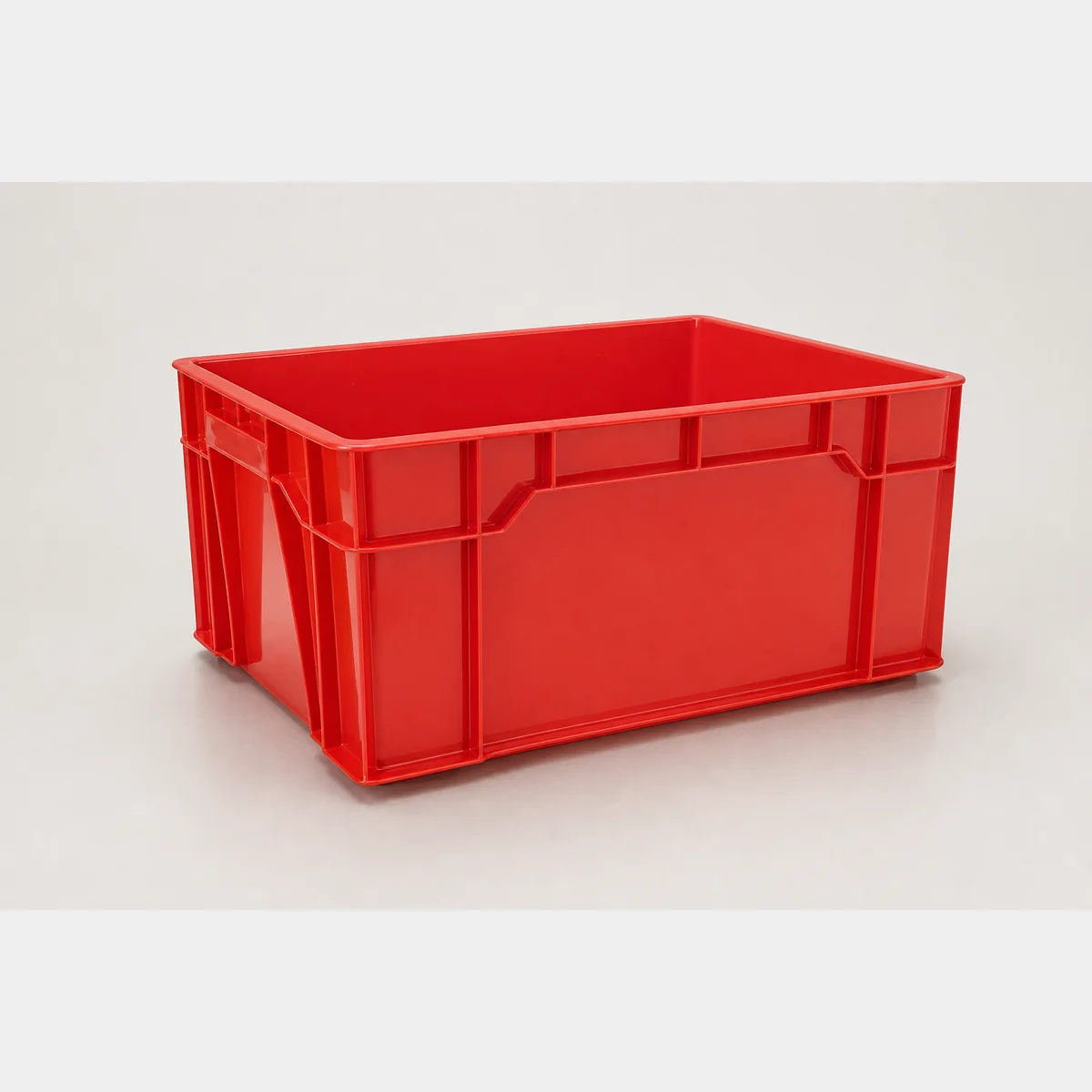 Shelving & StorageProduct reference image
Plastic Crate
Plastic crate, External: 556 x 420 x H245 (mm) / 555 x 423 x H380 (mm); Internal: 505 x 385 x H237 (mm) / 505 x 388 x H375 (mm); Minimum order quantity: 3 units. Formal quotation available based on use, specifications and quantity.
- External
- 556 x 420 x H245 (mm) / 555 x 423 x H380 (mm)
- Internal
- 505 x 385 x H237 (mm) / 505 x 388 x H375 (mm)
- Minimum order quantity
- 3 units
 Shelving & StorageProduct reference image
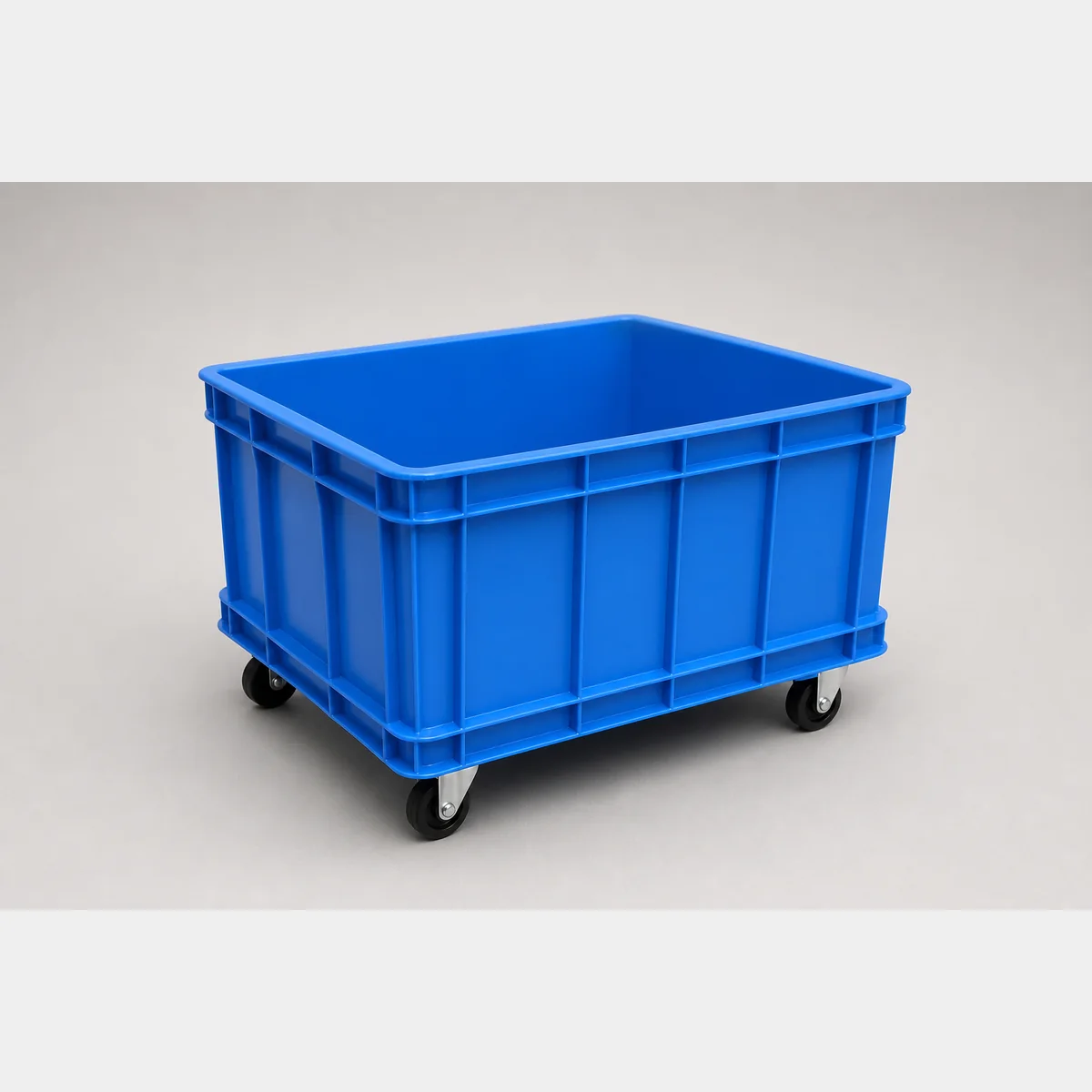
Plastic crate (wheeled option)
Plastic crate (wheeled option). A: L757xW565xH400 mm; B: L660xW486xH410 mm; C: L592xW486xH360 mm. Formal quotation available based on use, specifications and quantity.
- A
- L757xW565xH400 mm
- B
- L660xW486xH410 mm
- C
- L592xW486xH360 mm
 Shelving & StorageProduct reference image
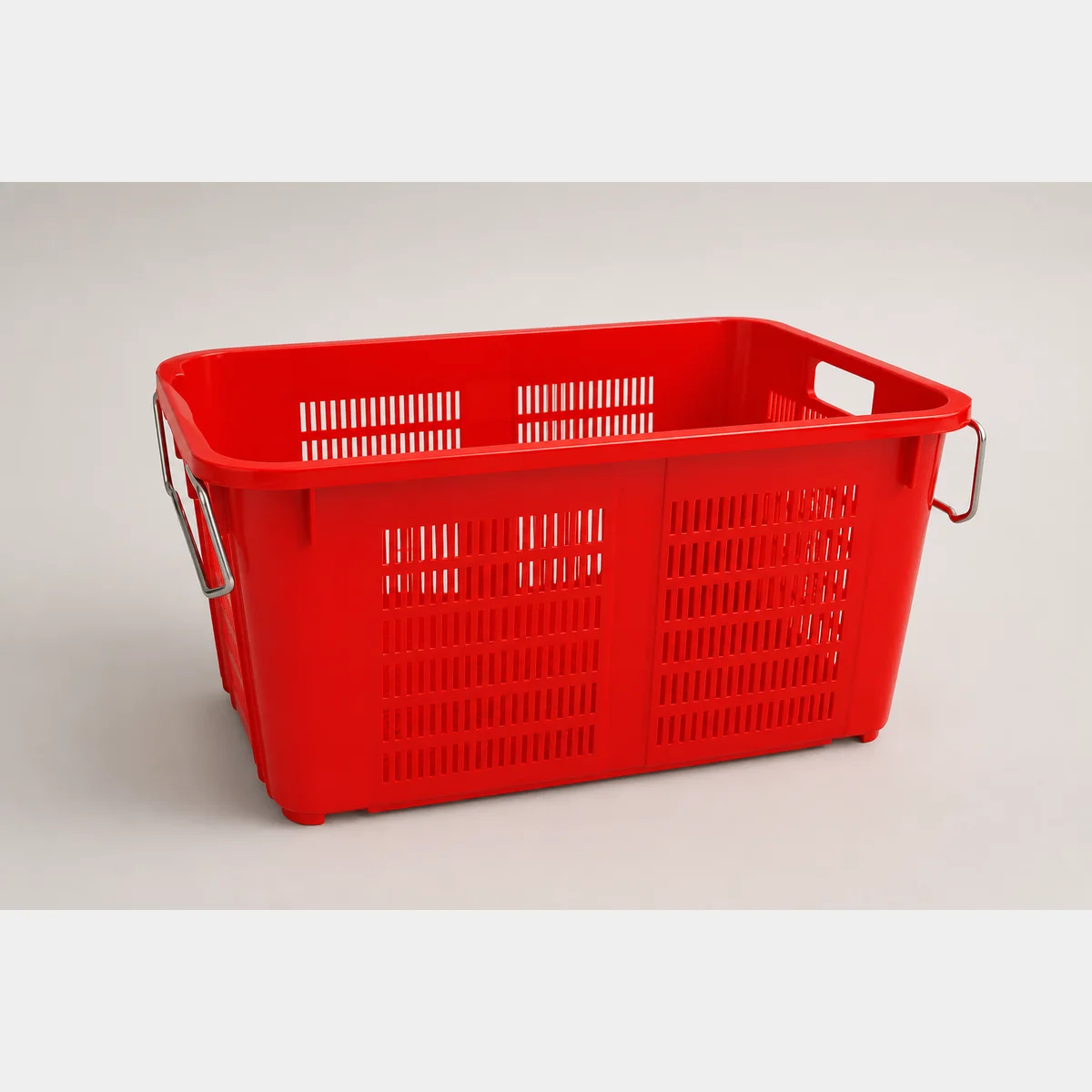
Plastic Basket
Plastic basket; Capacity: 98 L; Size: L696 X W490 X H377 MM; Colour: blue/red. Stackable. Formal quotation available on request based on use, specifications and quantity.
- Capacity
- 98 L
- Size
- L696 X W490 X H377 MM
- Colour
- blue/red
 Shelving & StorageProduct reference image
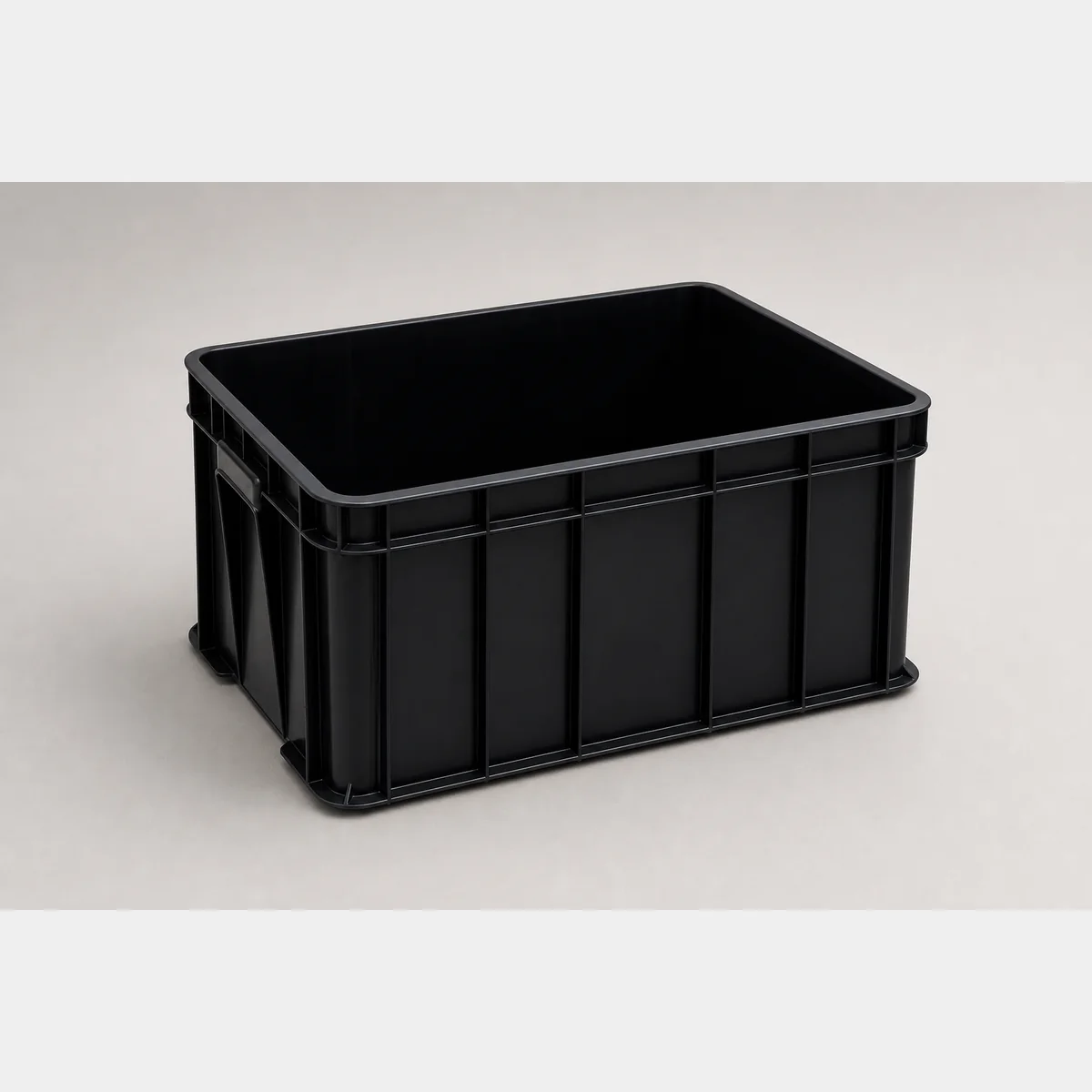
Anti-static plastic box
Anti-static plastic box — A: L410xW305xH145 mm; B: L600xW500xH360 mm; C: L620xW425xH320 mm. Formal quotation available based on use, specifications and quantity.
- A
- L410xW305xH145 mm
- B
- L600xW500xH360 mm
- C
- L620xW425xH320 mm
Continue with closely related procurement topics
These pages share equipment, operating or decision-stage signals with this guide.
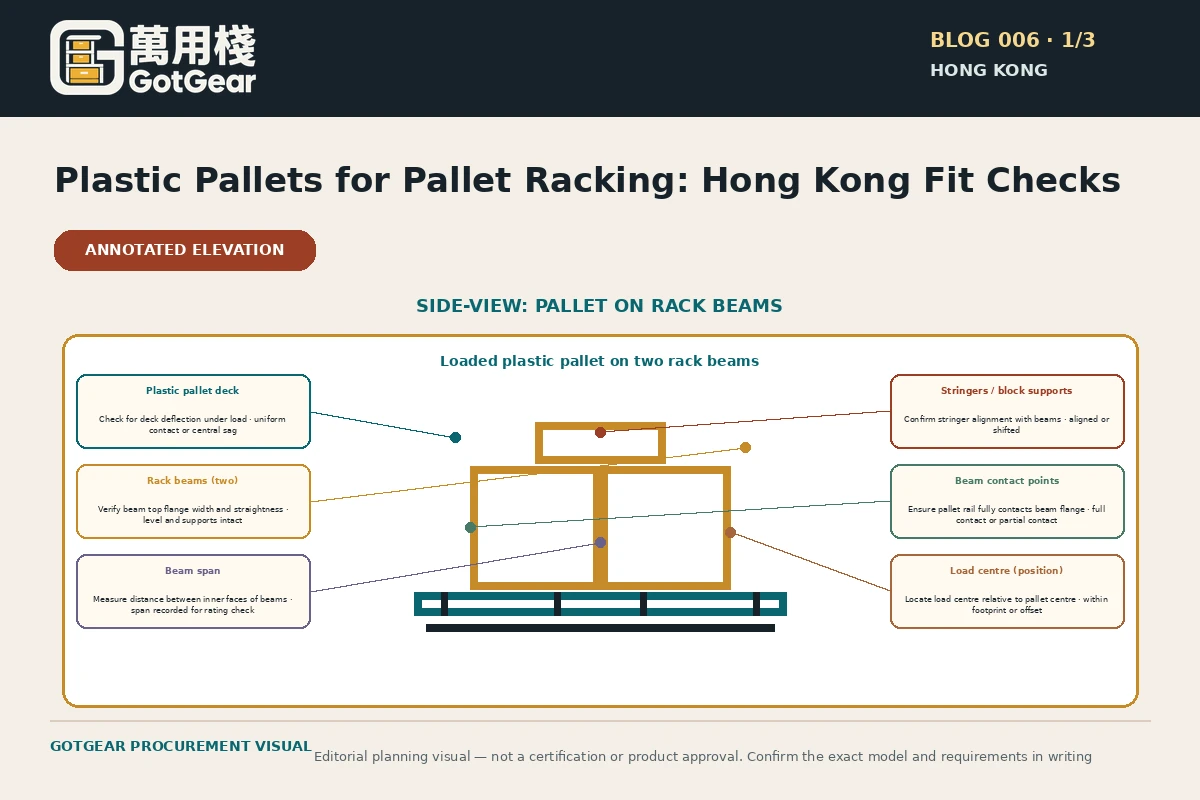
Plastic pallets for pallet racking Hong Kong
GotGear explains plastic pallets for pallet racking Hong Kong for Hong Kong buyers. See how plastic pallet rack load rating Hong Kong supports rackable plastic pallet Hong Kong, with practical checks, evidence boundaries and written requirements.
Read the guide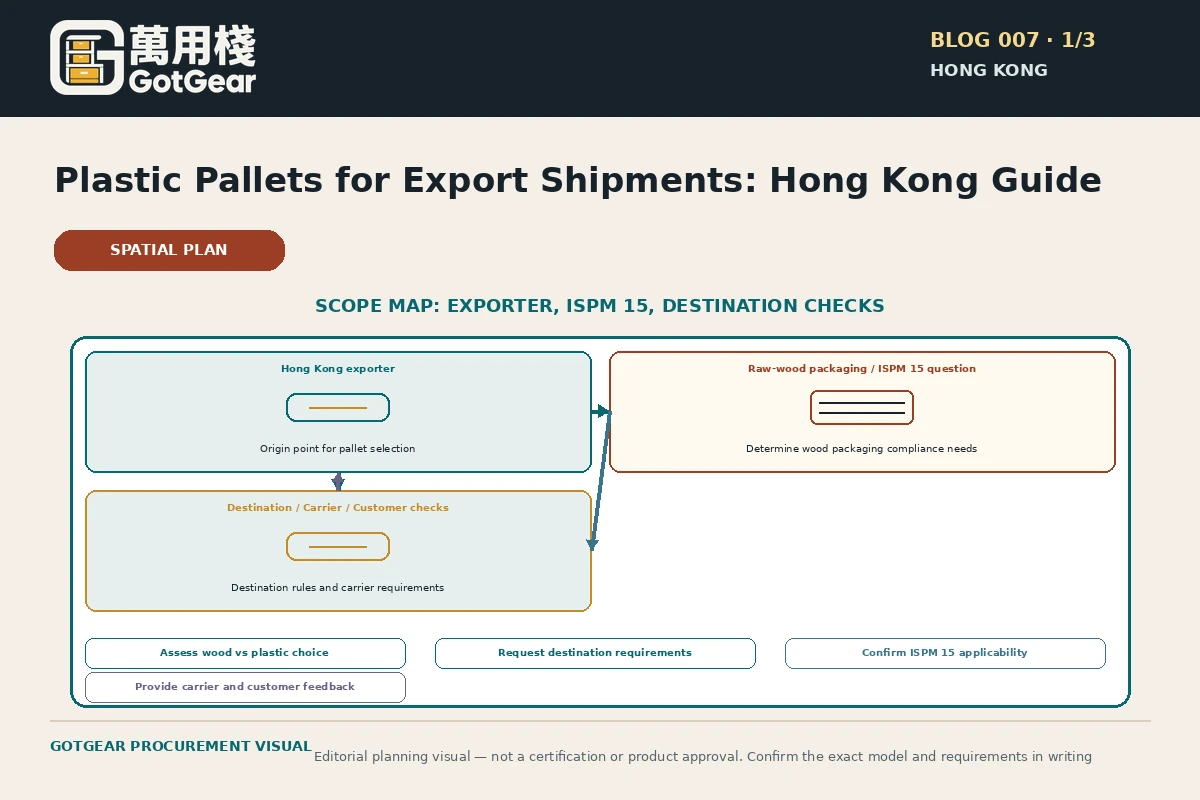
Plastic pallets for export shipments Hong Kong
GotGear explains plastic pallets for export shipments Hong Kong for Hong Kong buyers. See how ISPM 15 plastic pallets Hong Kong supports export pallet material Hong Kong, with practical checks, evidence boundaries and written requirements.
Read the guide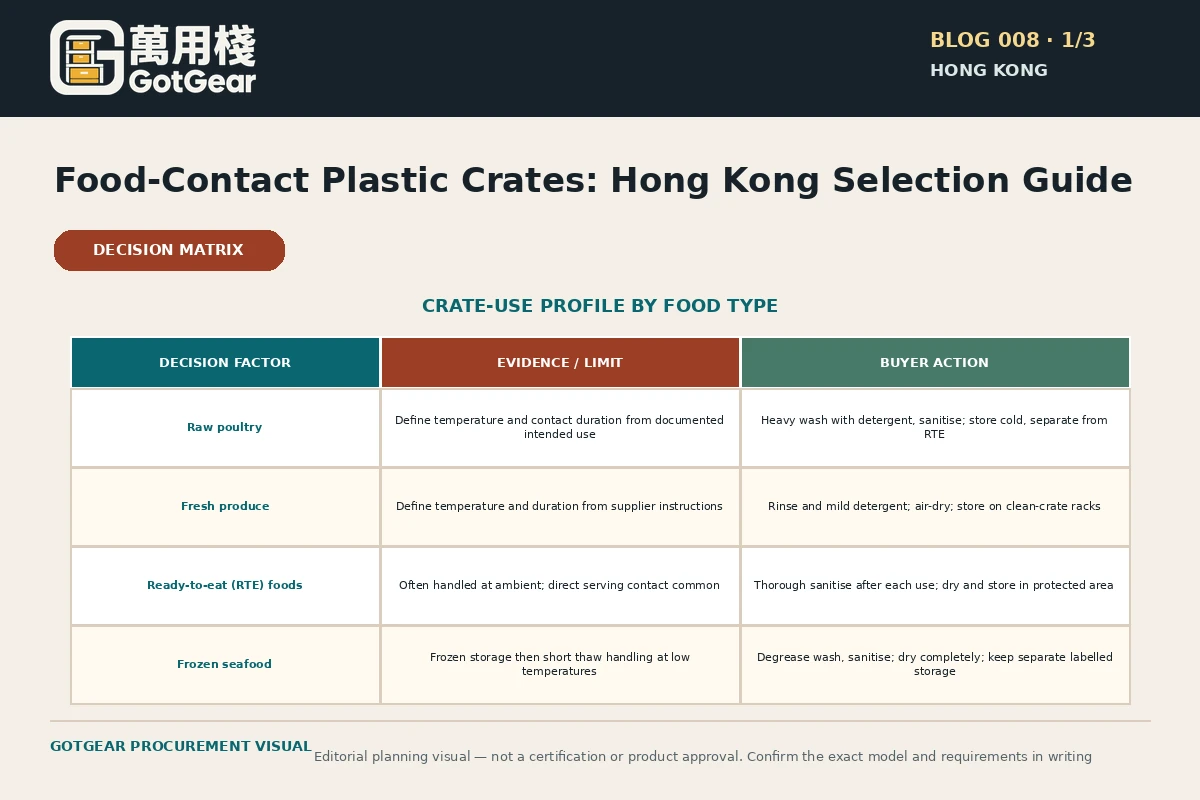
Food contact plastic crates Hong Kong
GotGear explains food contact plastic crates Hong Kong for Hong Kong buyers. See how food grade crate material Hong Kong supports food storage crate cleaning Hong Kong, with practical checks, evidence boundaries and written requirements.
Read the guide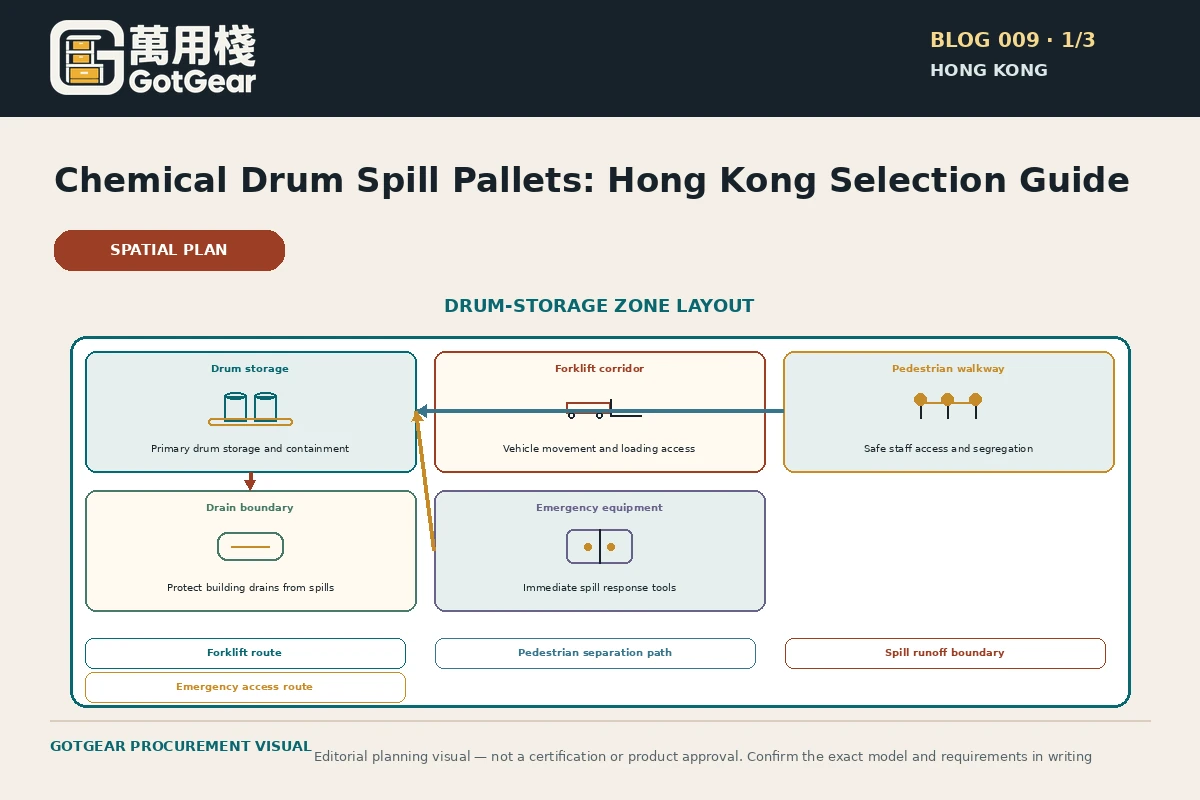
Chemical drum spill pallet Hong Kong
GotGear explains chemical drum spill pallet Hong Kong for Hong Kong buyers. See how spill containment pallets Hong Kong supports hazardous substance secondary containment Hong Kong, with practical checks, evidence boundaries and written requirements.
Read the guideRelated topic indexOpen more English procurement pages19 topics
Browse additional equipment families, applications and procurement questions relevant to these operating requirements.