
For government equipment procurement Hong Kong, follow the issuing body’s notice, procedures and amendments rather than assuming one process applies to every purchase. Verify any registration or supplier-status requirement with the responsible authority.
Start government equipment procurement Hong Kong research at official channels
Begin with the official notice and the full enquiry pack issued by the responsible department or public body. Confirm the scope, submission format, deadlines, clarification channel, and any requirement to register interest. For government equipment procurement Hong Kong, extract the specification into a clear checklist: performance range, duty cycle, footprint and turning space, overall and crated dimensions, weight, materials and corrosion resistance, ingress protection where moisture is expected, power input and phase, noise and heat output, consumables, spares, software or firmware dependencies, and training needs. Ask for the latest manufacturer datasheet and installation manual; the formal written quotation and model specifications should ultimately prevail.
Record site constraints early. Measure doorways, corridors and goods-lift car size and load rating with the building manager, and capture photos of tight corners. Note floor loading, ceiling height, clear ventilation paths, drainage points, humidity exposure, and proximity to sensitive areas (classrooms, wards, trading floors). Confirm loading-bay booking rules, working hours, and whether escorting or induction is required. If the issue involves food, electrical, pressure, laser, lifting, or public-event equipment, ask whether any authority or insurer documentation is expected for the proposed model. Keep bilingual copies where available, and align your internal checklist with the enquiry pack so your response matches the requested structure. Use this guide to compare specifications and prepare a written enquiry for a clean, like-for-like request to market.
Notice and amendment control in government equipment procurement Hong Kong
Treat the official notice as the single source of truth and implement amendment control from day one. Create a straightforward register with columns for notice number, issue date, current version, addendum references, sections replaced, and required acknowledgements. File every downloaded document in a single, read-only master folder and date-stamp internal copies. If the pack is bilingual, confirm which language prevails as stated in the notice, and note any translation differences for internal awareness without altering the issuer’s wording.
Monitor the clarification forum or email channel at the frequency set by the issuing body. Rely only on formal addenda to alter scope, forms, submission instructions, or deadlines; do not act on informal comments. Where an addendum revises the schedule or the technical response template, circulate the new version immediately and archive superseded forms to prevent accidental use. If the issuer requires acknowledgement of addenda, obtain written confirmation in the prescribed format. Before finalising your response, carry out a line-by-line comparison between the latest specification and your draft submission to confirm every amendment has been addressed and no legacy assumptions remain.
What should buyers compare for government equipment procurement Hong Kong?
| Criterion | Straightforward requirement | More complex requirement | Evidence to provide |
|---|---|---|---|
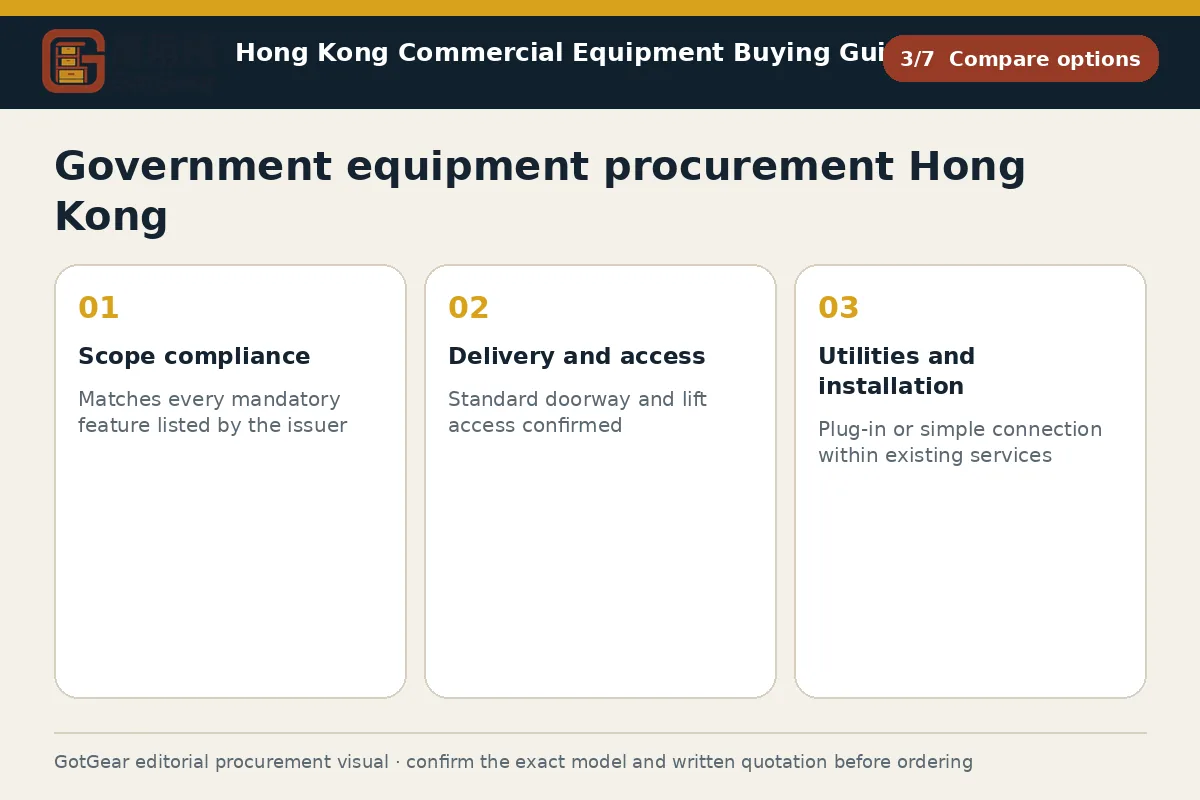
| Scope compliance | Matches every mandatory feature listed by the issuer | Alternative solution that meets performance intent with approval | Clause-by-clause compliance table referencing the enquiry pack |
| Delivery and access | Standard doorway and lift access confirmed | Tight turns or heavy items needing sectional delivery or hoisting | Measured route, photos, manager’s access notes, method statement |
| Utilities and installation | Plug-in or simple connection within existing services | New circuits, ventilation, drainage or builder’s works required | Load data, single/three-phase details, drawings, integration plan |
| Documentation and training | Datasheet, manuals and basic commissioning | Calibration, test reports, bilingual training and acceptance tests | Manufacturer literature, test evidence, proposed training outlines |
| After-sales and warranty | Local service contact and routine maintenance plan | Extended cover, spares strategy, and response-time commitments | Service map, escalation contacts, spares list, sample maintenance log |
This framework helps buyers create comparable written enquiries. Final model specifications, availability, delivery and commercial terms must be confirmed in a formal quotation.
Map the stages of government equipment procurement Hong Kong
Map the full journey so your team knows when to gather data, seek approvals, and lock decisions. Typical stages include market sounding, any prequalification or approved‑list checks, issuance of an invitation to quote or to tender, site visits if arranged, clarification requests, submission, evaluation, notification, contract finalisation, delivery, installation, and acceptance. Do not assume one sequence will apply; follow the issuer’s programme. When preparing a comparison, build a like‑for‑like schedule that lists mandatory compliance, technical differentiators, logistics feasibility, service coverage, training, spares, and lifecycle support. This will help you handle a commercial equipment tender in Hong Kong with clarity.
Use the evaluation method described by the authority. For a government equipment quotation in Hong Kong, confirm model numbers, country of origin if required, lead time statements, and any commissioning plan. For equipment tender evaluation in Hong Kong, prepare narrative responses on risk management, delivery method statements, and access control. At approval and on receipt, inspect packaging integrity, serial numbers, accessories, firmware versions, calibration or factory test evidence if specified, and bilingual manuals where provided. Where the proposed model or venue triggers specific checks (for example, electrical works, hygiene, fire performance, lifting or public‑event use), request the relevant manufacturer documents or authority guidance as called for by the enquiry pack or the competent adviser, and record acceptance against the issuer’s checklist.
Status checks for government equipment procurement Hong Kong opportunities
Track opportunity status through the issuing authority’s official portal or notice board and keep a snapshot trail. Watch for signals such as “planned”, “open”, “suspended”, “amended”, “cancelled”, or “awarded”, and read the accompanying notes. If an item is cancelled or reissued, confirm the replacement reference and whether previous clarifications still apply. Where opportunities are routed via standing arrangements or small-value quotation procedures, verify eligibility and submission mechanics before allocating resources. For a government equipment supplier Hong Kong deciding to proceed, check that communication occurs only through the named channel.
Schedule status checks before key internal milestones: prior to locking specifications, before ordering samples, at the clarification cut-off, and on the day of submission. Save acknowledgements of questions, addendum receipts, and e-submission confirmations. Reconfirm delivery windows, industrial-building access rules, and management-office requirements that may affect your method statement. If severe weather or public-event controls are mentioned by the issuer, follow their stated arrangements. When in doubt about timing, access, or document versions, escalate promptly to the responsible officer named in the notice and capture the response in your status log for auditability.
Government equipment procurement Hong Kong decision checklist
Confirm the issuing body, the live notice number, and the latest addenda. Extract a specification checklist and request any missing manufacturer datasheets, installation manuals, and service coverage statements. Measure access routes, lift size and capacity, door widths, floor loading, ventilation, and power availability with the building manager, keeping photos for evidence. Build a like-for-like comparison schedule reflecting the enquiry pack’s evaluation method and ensure quotations state model numbers, delivery method, and commissioning approach. Validate any requirement for prequalification or supplier status. Lock your submission to the correct forms, acknowledge addenda where asked, and retain time-stamped receipts. Plan receipt checks for serials, accessories, firmware, and training, then record acceptance against the authority’s checklist.
Practical action sequence
- Operating use, quantity and expected frequency
- Dimensions, capacity, material and accessory requirements
- Delivery address, floor, goods lift and loading window
- Required documents, acceptance checks and after-sales arrangements
Apply the checks to your Hong Kong site
Hong Kong opportunities are often time-sensitive and site-constrained. Goods lifts, tight doorways, and managed loading bays are common, so access data and booking rules should be confirmed with the building manager and documented in the submission. Many issuers operate bilingual packs; check which language prevails if texts diverge and keep both versions aligned in your working files. Industrial buildings may restrict working hours and require permits for hot works or deliveries. Humid conditions can influence material choices and maintenance planning. This summary highlights operational considerations only and is not legal advice; always follow the issuer’s written instructions.
Questions about government equipment procurement Hong Kong
Do we need to be on an approved supplier list before responding?
Sometimes. Certain authorities or categories require registration or prequalification before they will accept a submission. Check the specific notice and confirm with the responsible officer. If a list is required, request the registration process and timeframe. If not required, keep evidence that the authority accepts open submissions for the stated category and value band.
How do we compare competing offers fairly and defensibly?
Follow the evaluation approach set out by the issuer and prepare a like-for-like schedule that mirrors the requested specification and structure. Ensure each supplier confirms model numbers, compliance with mandatory requirements, delivery and installation plan, training, and service response. If weighting is specified, apply it transparently. Where details are unclear, submit formal clarification rather than relying on informal interpretation.
Are site visits compulsory for these procurements?
Only if the notice states attendance is mandatory. If optional, a visit still helps identify access limits, power, ventilation, and management rules that could affect installation and risk. Where attendance registers or briefing notes are issued, attach them to your file. If you cannot attend, ask whether photographs, drawings, or a virtual briefing are acceptable to the authority.
What if bilingual documents contain conflicting text?
Follow the instruction in the notice on which language prevails and quote that reference in your internal file. If you spot a material discrepancy, raise a formal clarification and await the authority’s addendum before adjusting your response. Do not reconcile wording yourself. Keep both language versions aligned in your working folder with clear version control to avoid accidental mix-ups.
Compare available product models and specifications
These product cards are matched to this buying topic. Select a specification and quantity to send the product details to WhatsApp.
 Material Handling & LogisticsProduct reference image
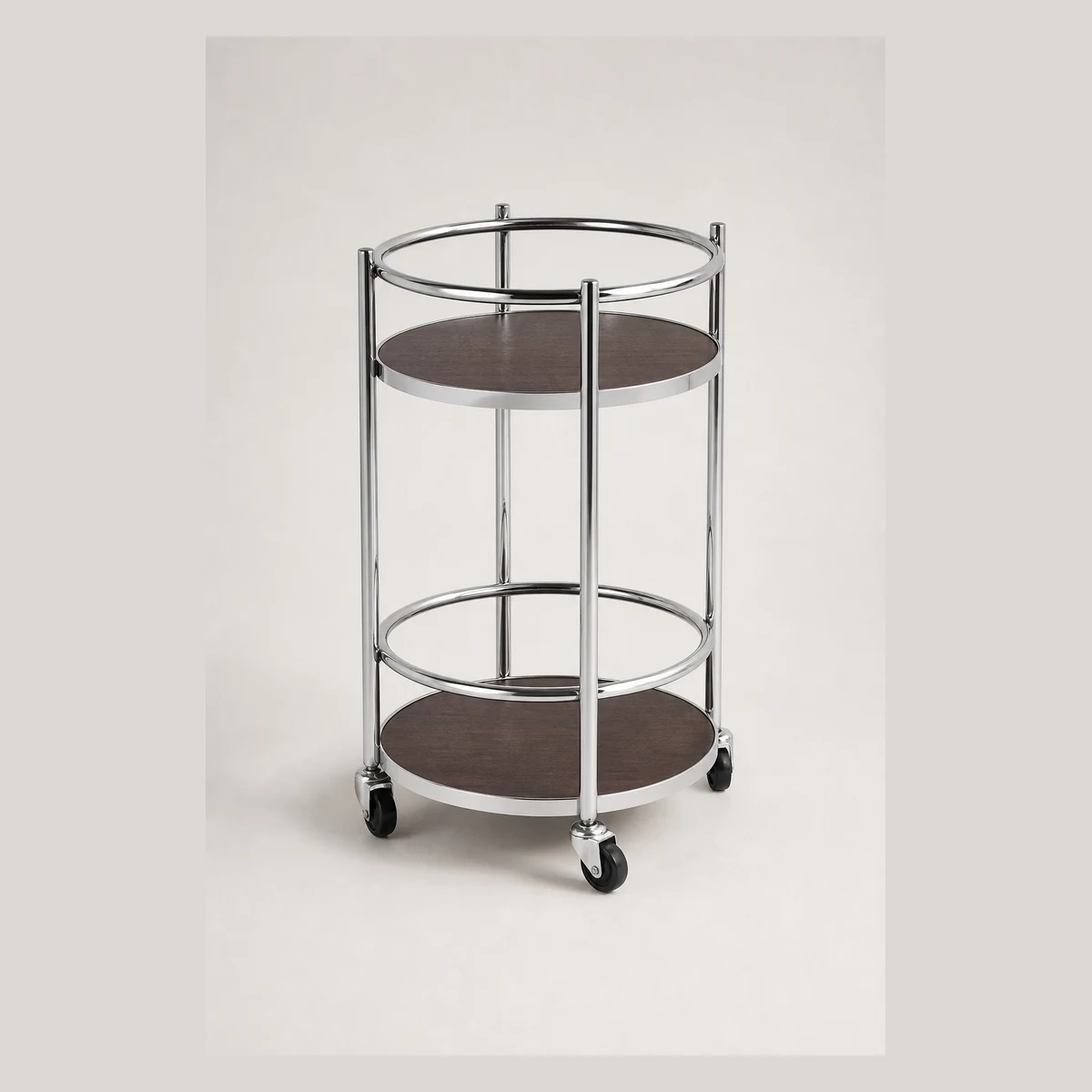
2-tier round serving trolley (stainless steel)
Two-tier stainless steel round serving trolley with a woodgrain top, overall size 40xH68cm. Two circular shelves provide staging for dishes or equipment. Enquire with GotGear for written confirmation based on the application, specification and quantity.
- Model
- JRA061-A
- Number of tiers
- Two tiers
- Shape
- Round
 Material Handling & LogisticsProduct reference image
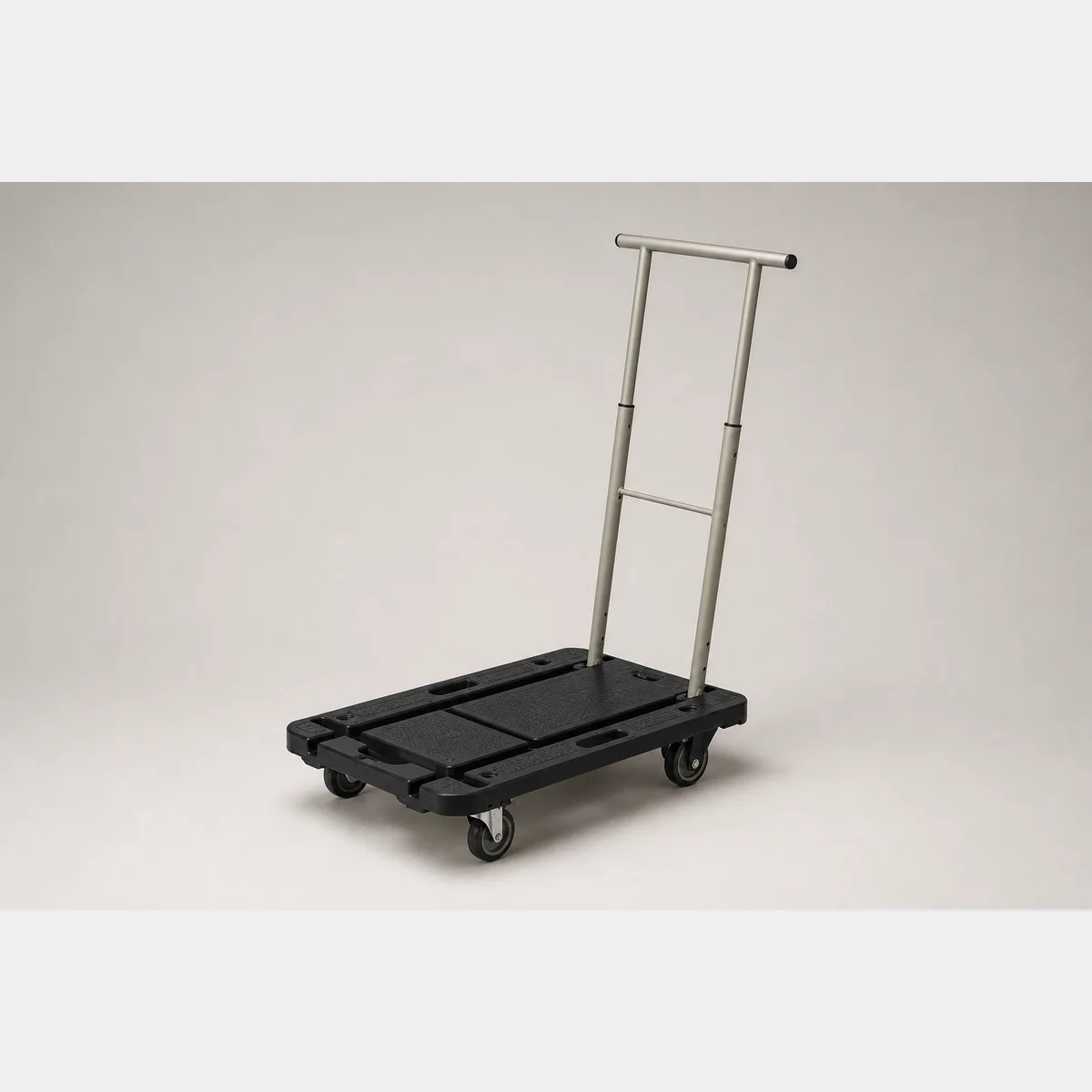
2-in-1 Hand Trolley
2-in-1 hand trolley, Dimensions/Specification: L600xW390xH820 mm; Formal quotation available based on application, specifications and quantity.
- Dimensions/Specification
- L600xW390xH820 mm
 Material Handling & LogisticsProduct reference image
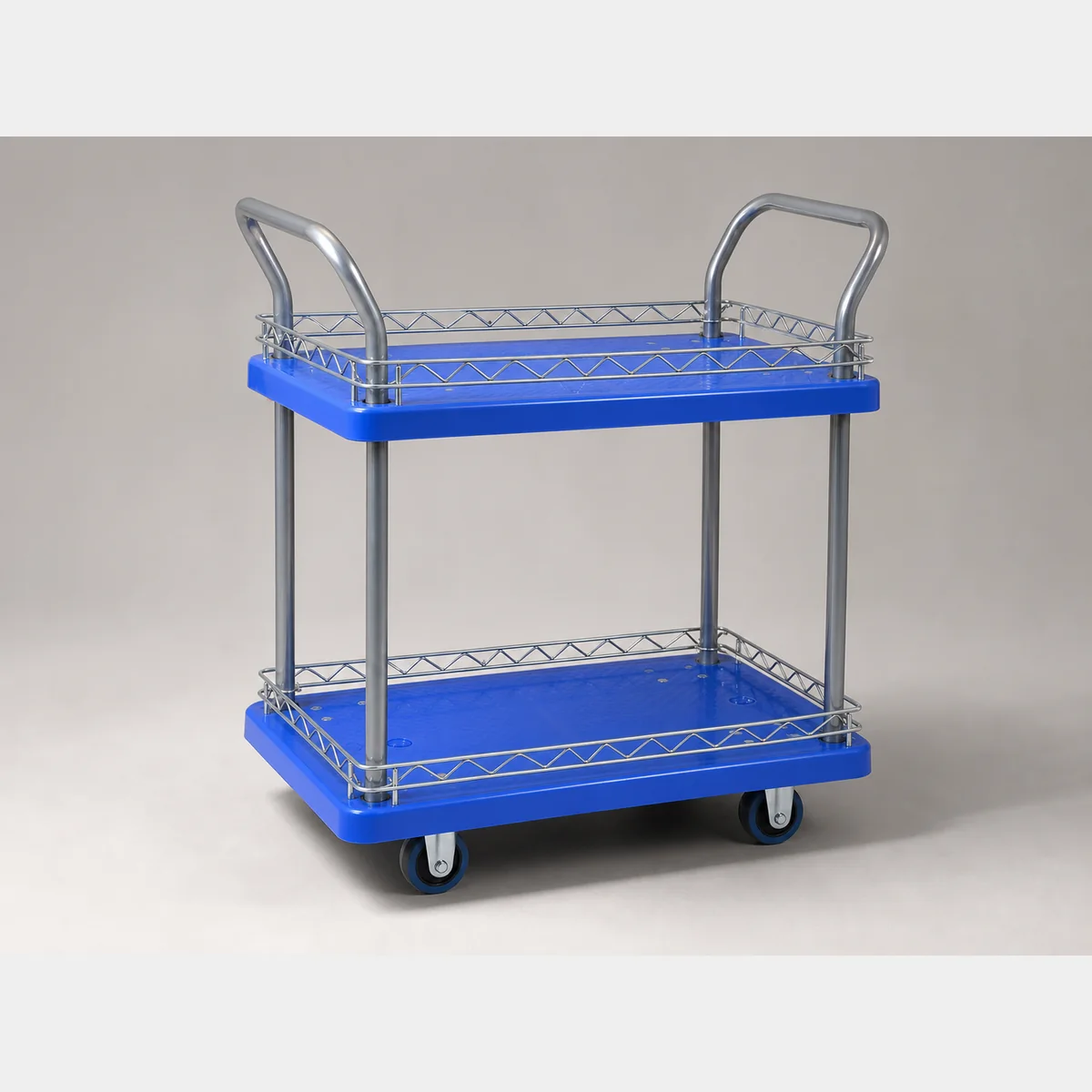
2-tier silent plastic trolley (with side guard rails)
2-tier silent plastic trolley (with side guard rails). (A) Dimensions: L730 X W480 X H950 MM; Net weight: 14.5kg *castor: 100 MM / 17.5kg *castor: 130 mm; Load capacity 150kg *shelf clearance: H550 MM. Formal quotation available based on application, specifications and quantity.
- (A) Dimensions
- L730 X W480 X H950 MM
- Net weight
- 14.5kg *castor: 100 MM / 17.5kg *castor: 130 mm
- Load capacity 150kg *shelf clearance
- H550 MM
 Material Handling & LogisticsProduct reference image
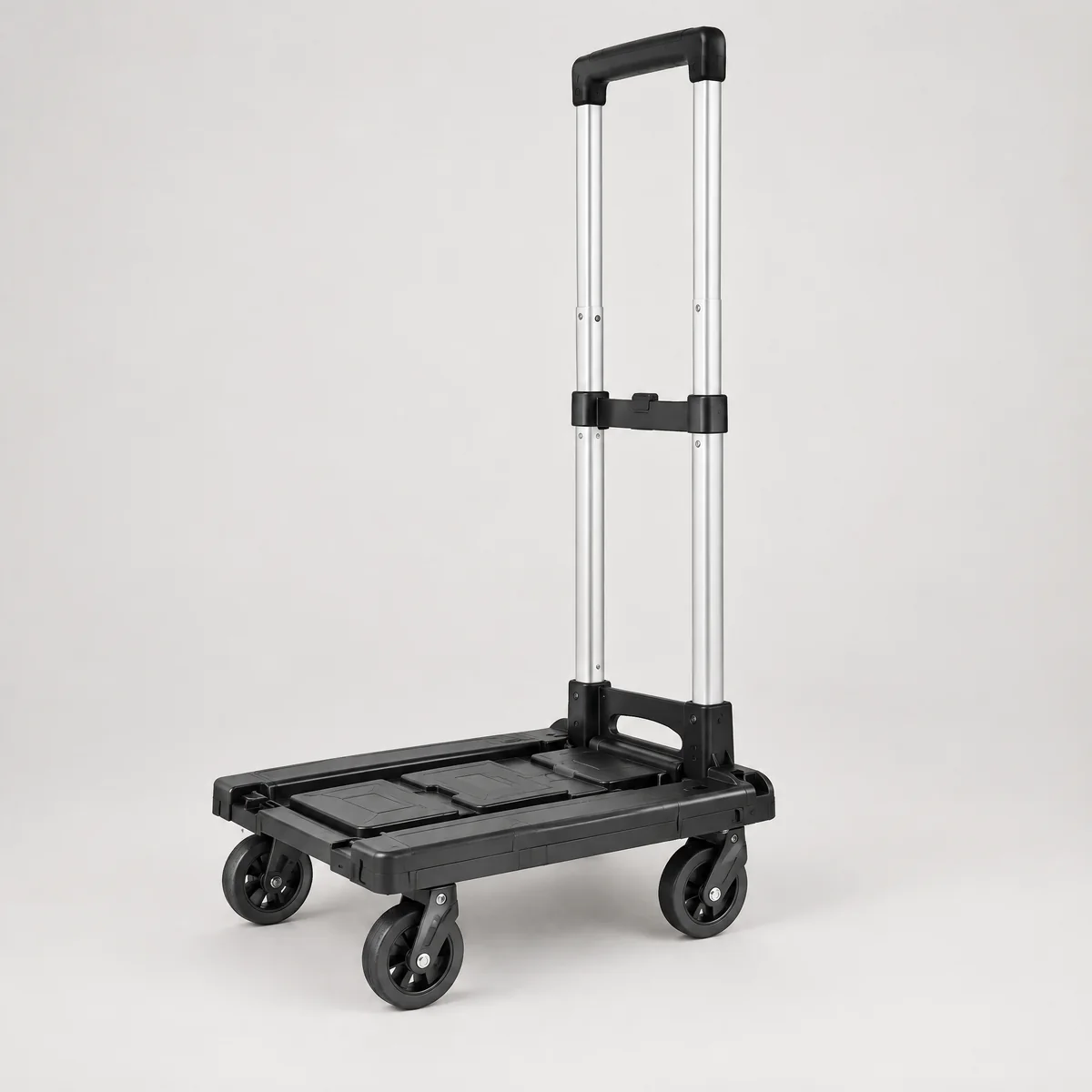
2.5-inch wheel hand cart
2.5-inch wheel hand cart, A: L48xW31xH78.5 cm; B: L50xW31xH88.5 cm; C: L55xW36xH97.5 cm. Please request a formal quotation with intended use, specifications and quantity.
- A
- L48xW31xH78.5 cm
- B
- L50xW31xH88.5 cm
- C
- L55xW36xH97.5 cm
 Material Handling & LogisticsProduct reference image
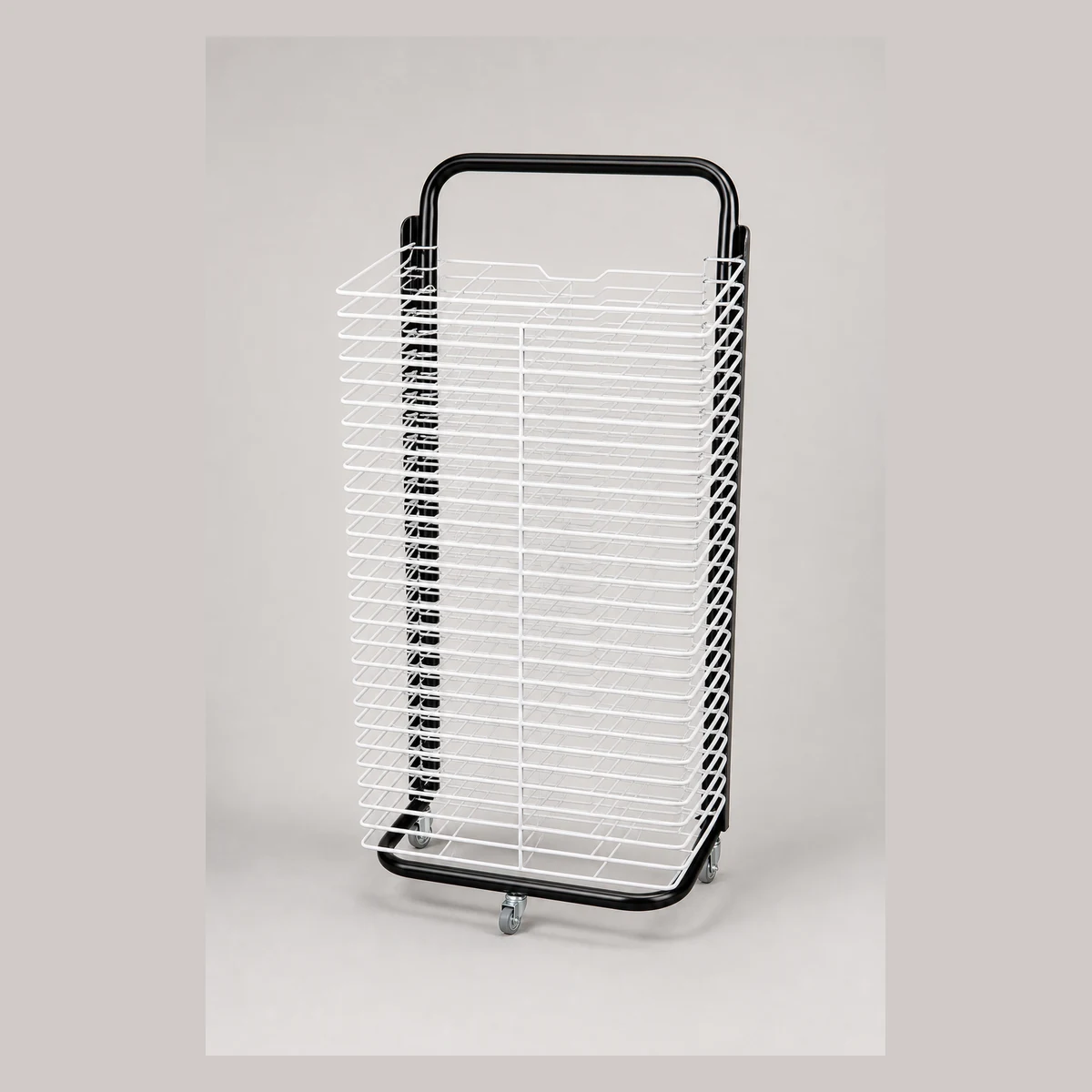
25-tier drawing drying trolley
25-tier drawing drying trolley for holding and drying drawings; height 97cm and 25 tiers for organised storage. Enquire with GotGear for written confirmation based on the application, specification and quantity.
- Model
- S8943-A
- Number of tiers
- 25 tiers
- Height
- 97cm
 Shelving & StorageProduct reference image
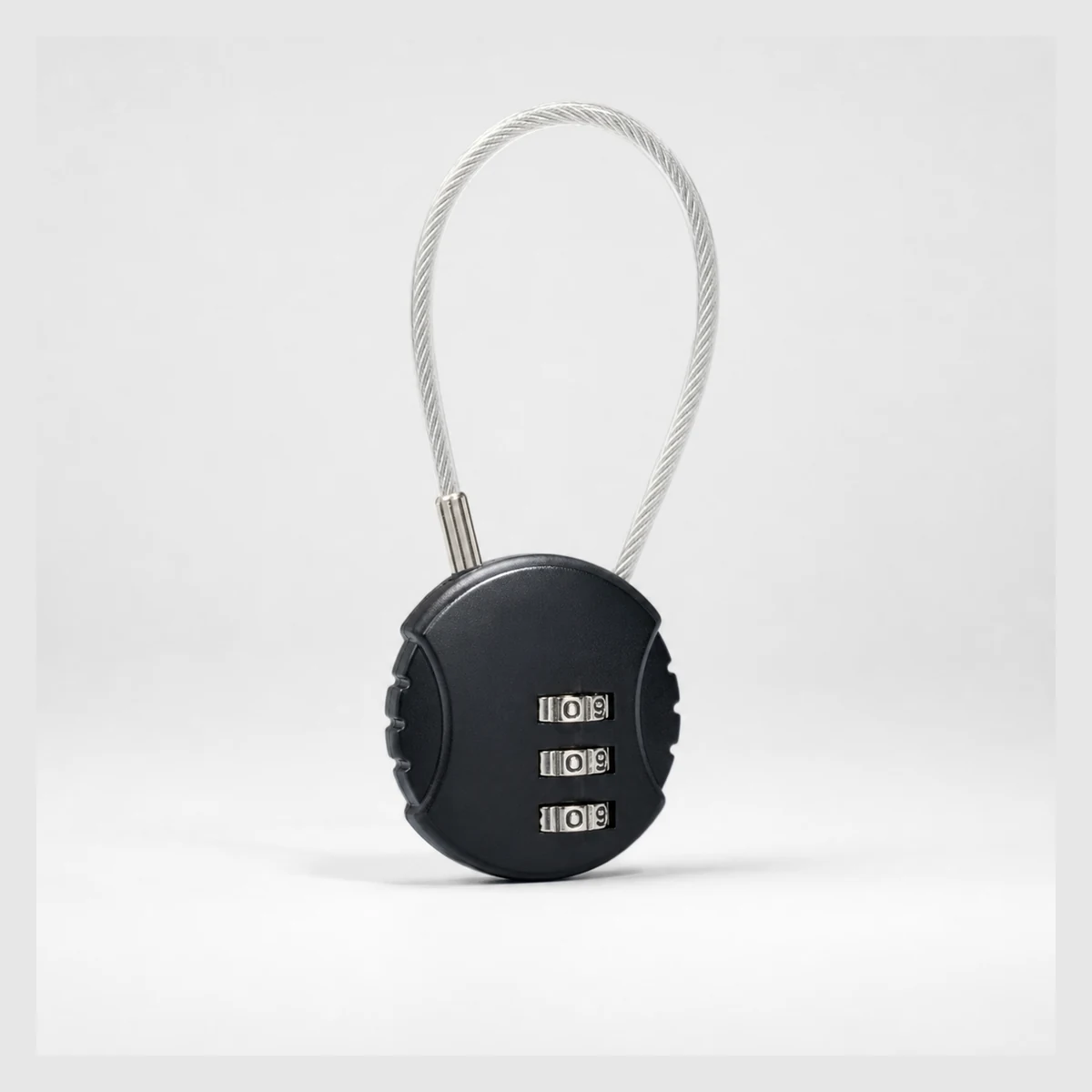
3-digit Combination Padlock Head with Steel Cable
Three-digit combination padlock head with steel wire cable, available in multiple sizes (e.g. JB1009-A W38xH40mm, cable length 140mm). Suitable for lockers, storage cabinets and lidded logistics boxes. Enquire with GotGear for written confirmation based on the application, specification and quantity.
- Model
- JB1009-A / JB1009-B
- Shape
- JB1009-A: Round / JB1009-B: Round
- Digits
- 3 digits
 Material Handling & LogisticsProduct reference image
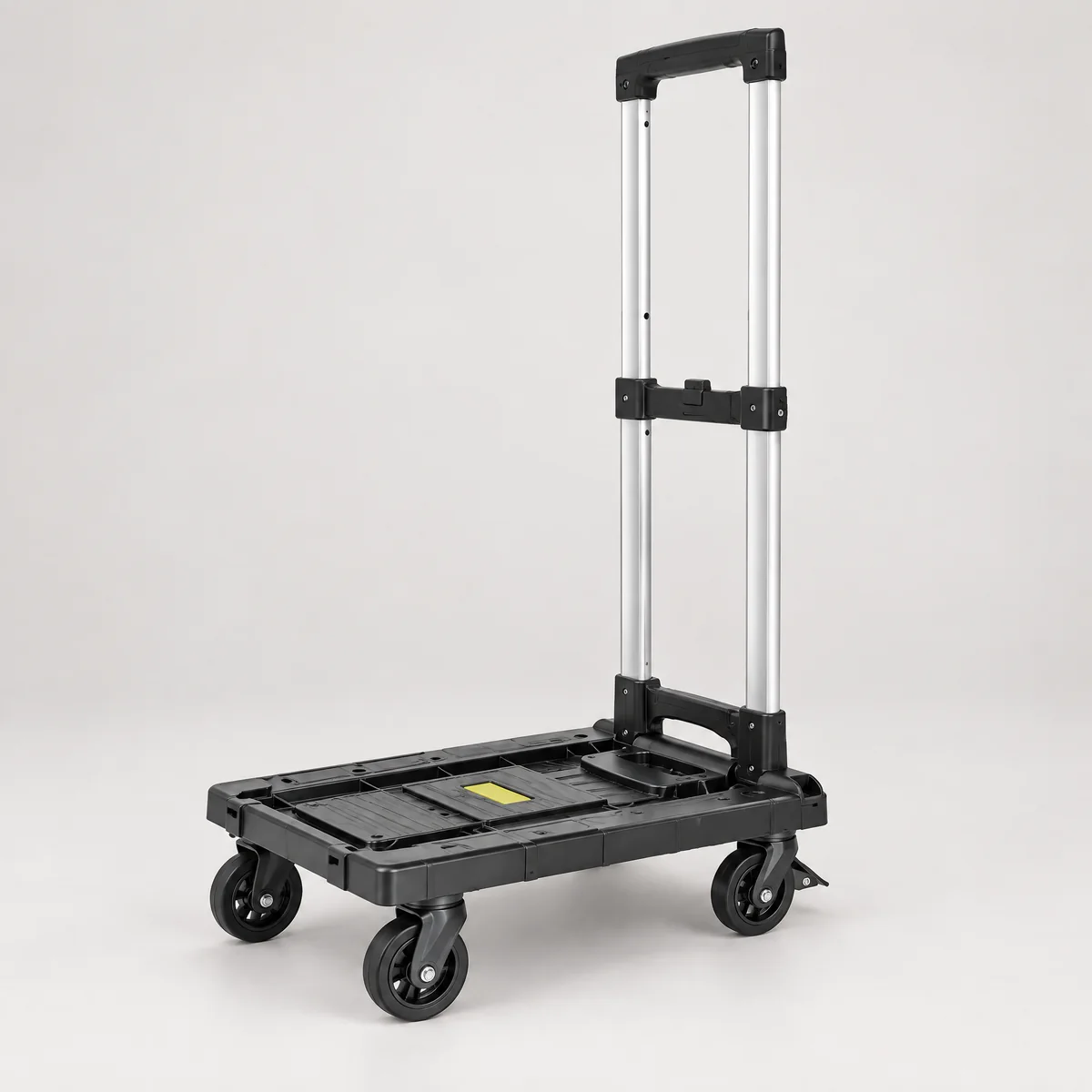
3-inch Wheel Hand Truck (SKU: JRA049)
3-inch wheel hand truck, A: L48xW31xH78.5 cm; B: L50xW31xH88.5 cm; C: L55xW36xH97.5 cm. For a formal quotation, please enquire with intended use, specifications and quantity.
- A
- L48xW31xH78.5 cm
- B
- L50xW31xH88.5 cm
- C
- L55xW36xH97.5 cm
 Material Handling & LogisticsProduct reference image
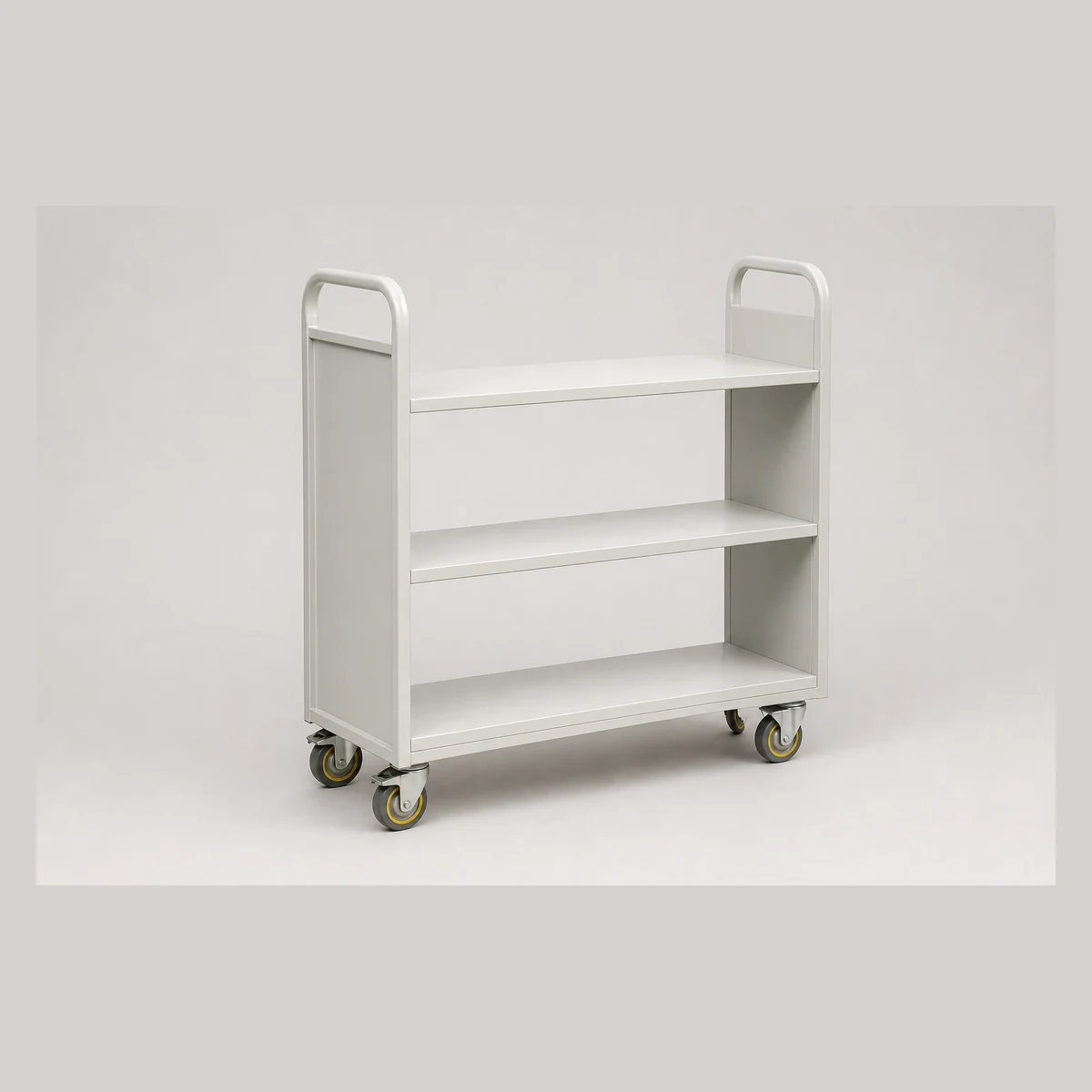
3-tier book trolley
3-tier book trolley with two options: flat-shelf version L800xW360xH900mm and V-shaped version L800xW360xH1150mm; grey finish with 3-inch castors. Enquire with GotGear for written confirmation based on the application, specification and quantity.
- Product code
- JRA002 / JRA002-A
- Configuration
- 3-tier flat-shelf book trolley / 3-tier V-shaped book trolley
- Dimensions
- L800xW360xH900mm / L800xW360xH1150mm
Continue with closely related procurement topics
These pages share equipment, operating or decision-stage signals with this guide.
Government equipment quotation Hong Kong
GotGear guide to government equipment quotation Hong Kong explains how to read the notice, prepare and submit documents, meet the deadline and understand eligibility and technical specifications for public-sector procurement.
Read the guide
Government equipment supplier Hong Kong
GotGear guide for procurement teams in Hong Kong shows how to verify a government equipment supplier Hong Kong by checking legal identity, issuing body, required documents and current status against procurement records.
Read the guide
Commercial equipment procurement Hong Kong
Use GotGear's checklist for commercial equipment procurement Hong Kong to confirm need, budget, specification and acceptance. Use it to create commercial equipment procurement documentation Hong Kong that teams can audit.
Read the guide
Commercial equipment quotation Hong Kong
GotGear offers a practical guide to commercial equipment quotation Hong Kong. Standardise scope and responses by issuing one commercial equipment RFQ Hong Kong for each request for quotation commercial equipment Hong Kong.
Read the guideRelated topic indexOpen more English procurement pages2 topics
Browse additional equipment families, applications and procurement questions relevant to these operating requirements.